

Custom kitchen cabinetry Sydney
Expert Custom Kitchen Cabinet Design and Installation Services
Transform your Sydney kitchen with custom cabinetry designed for style, functionality, and lasting quality. Custom kitchens are tailored to reflect your individual style and preferences, ensuring your space is as unique as you are.
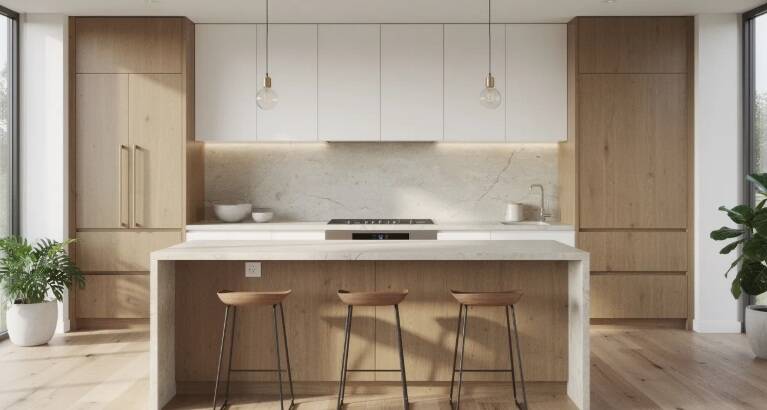
Our kitchen cabinet makers are specialising in bespoke joinery and kitchen renovations, bringing expert craftsmanship to every project. We work closely with you to develop detailed plans that bring your vision to life, combining your ideas with our experience for a truly personalised result. Our custom cabinetry is available in a variety of styles—including modern, contemporary, traditional, and shaker—and crafted from premium materials such as timber and durable laminates. In line with 2026 trends, we offer warm minimalism that blends clean lines with natural textures like wood and stone, infusing your kitchen with both comfort and life.
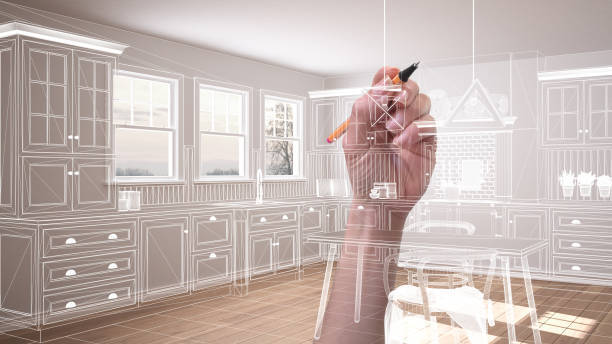
Why Custom Kitchen Cabinetry is Perfect for Your Sydney Home
Custom cabinetry offers distinct advantages over stock or modular kitchen cabinets, particularly for Sydney homeowners facing unique layout challenges and coastal climate conditions. Custom cabinetry and furniture making allow for tailored solutions throughout the home, integrating bespoke furniture pieces and cabinetry that fit your lifestyle and space.
-
Perfect Fit for Any Kitchen Size and Layout: Custom cabinets are built to your kitchen’s exact specifications, maximising every inch—including awkward corners, sloping ceilings, and heritage window sills that standard cabinetry cannot accommodate.
-
Maximised Storage Solutions Tailored to Your Needs: 90% of Australian kitchen renovations include cabinetry upgrades, with 63% selecting fully custom cabinets featuring pull-outs, organisers, and concealed storage designed around individual cooking habits and style preferences.
-
Premium Materials That Withstand Sydney’s Coastal Climate: Sydney’s humid coastal environment demands cabinets that resist moisture fluctuations and salt air. Custom cabinetry utilises moisture-resistant materials such as marine-grade plywood and water-resistant MDF, along with protective treatments that ensure longevity.
-
Increased Property Value: High-quality custom cabinetry can boost livability and raise buyer-perceived property value by up to 10–15% in metro areas, according to independent research by Archicentre Australia.
-
Personalised Design: Create a seamless look that reflects your vision and complements your home’s architecture, from traditional raised panels in heritage properties to sleek shadowline designs in modern apartments.
Custom cabinetry options include kitchen cabinets, bathroom vanities, built-in wardrobes, and unique storage solutions, all tailored to individual spaces and styles.
Professional installation by Sydney cabinet makers with industry experience ensures your new kitchen performs beautifully for decades.
Our Top 10 Premium Kitchen Cabinet Styles
-
Shaker Style Cabinets: Timeless framed panels perfect for both traditional and modern Sydney kitchens, crafted in solid timber or quality painted MDF.
-
Shadowline Cabinets: Sleek, handle-free design with push-to-open mechanisms and shadow-line reveals for contemporary homes demanding precision craftsmanship.
-
Two-Tone Cabinets: Combining upper and lower cabinet colours creates visual interest and warmth—a popular choice with Sydney homeowners seeking distinctive kitchen design.
-
Hampton Style Cabinets: Classic coastal design ideal for Sydney beachside properties, featuring light colours, beadboard details, and finishes that withstand sea air.
-
Industrial Style Cabinets: Modern metal and wood combinations for urban apartments, using corrosion-resistant hardware and protective finishes.
-
Scandinavian Style Cabinets: Light woods like maple or oak veneer with minimalist profiles that emphasise natural light and simplicity.
-
Traditional Raised Panel Cabinets: Elegant detailing suited to heritage Sydney homes, using timber or veneer with ornate door profiles that honour original architecture.
-
High Gloss Modern Cabinets: Reflective surfaces that maximise light in smaller kitchens—careful material selection ensures durability against scratches and fingerprints.
-
Rustic Timber Cabinets: Natural wood grains with pronounced character for country-style Sydney properties, properly sealed for longevity.
-
Integrated Appliance Cabinets: Seamless design hiding ovens, fridges, and dishwashers behind cabinet doors for clean lines, with proper ventilation allowances.
Our Kitchen Cabinetry Design and Installation Process
Step 1: Initial Consultation and Measurement
Our team conducts an in-home assessment of your Sydney kitchen space and existing layout. We evaluate light conditions, soil and moisture factors, plumbing locations, and electrical considerations. This site visit includes precise measurements and detailed discussion of your cooking habits, storage needs, and style preferences to guide material selection.
Step 2: Custom Design Development
We work closely with you during the design phase to develop detailed plans for your custom kitchen cabinetry in Sydney. We create 3D designs showing your custom kitchen cabinet layout, allowing you to visualise the complete transformation before cabinet making begins. This phase includes material selection—timber species, finishes, drawer runners, and hardware options—along with a detailed quote. In 2025, homeowners typically spend between $15,000 and $45,000 on full custom joinery projects in Sydney, with costs varying based on room size, design complexity, and material choices.
Step 3: Precision Manufacturing
Expert craftsmanship in our Sydney workshop ensures every detail meets exacting standards. Each cabinet undergoes thorough inspection at various stages of production to ensure quality control, employing skilled craftsmen with decades of experience and state-of-the-art tools. Australian standard carcasses typically use moisture-resistant (HMR) melamine board, while high-end cabinetry incorporates real timber veneers and natural stones like quartzite.
Step 4: Professional Installation
Careful removal of existing cabinetry protects your walls and flooring. Our team delivers precise installation of your custom kitchen cabinets, including proper anchoring, integration with appliances, and final adjustments for door alignment. Hardware fitting includes premium quality soft-close hinges, drawer runners, and the installation of custom drawers and shelves for optimal storage and organization. The entire process concludes with comprehensive cleanup and detailed care instructions.
What “Custom” Actually Means
People often think “custom” means “fancy” or “expensive.”
But in the renovation world, custom simply means:
-
built to fit your home
-
built to match your daily routine
-
built to make cooking easier
-
built to maximise storage
-
built using materials that suit your budget
Custom cabinetry isn’t about showing off.
It’s about solving problems.
A client in Gladesville wanted deep drawers for big pots because their kids loved pasta nights.
Another in Parramatta needed a place to hide appliances to keep the bench clear.
A young couple in Waterloo needed smart solutions for a 2-metre-wide galley kitchen.
Custom cabinetry allowed all of that to happen without forcing them into standard cabinet sizes.
How Custom Cabinetry Fits Into a Full Home Renovation
People often start with the kitchen, then move on to the bathroom or laundry.
Custom cabinetry influences:
Bathroom Renovations
Vanities benefit from:
-
moisture-resistant materials
-
smart drawer layouts
-
wall-hung options to create a larger feel
-
custom-built storage for beauty products
Laundry Renovations
Laundry cabinetry often includes:
-
tall broom cupboards
-
pull-out hampers
-
concealed washer/dryer setups
-
overhead storage for bulk items
Home Renovations
Built-in cabinetry for:
-
living rooms
-
studies
-
mudrooms
-
wardrobes
Because we understand the entire home renovation ecosystem, your style stays consistent across every room.
The Role of Custom Cabinetry in Kitchen Renovation
When people renovate their kitchens, two things cause the most stress:
-
Storage
-
Workflow
Good cabinetry fixes both.
Smart storage makes your kitchen feel bigger
Even without changing the walls, custom cabinets can create:
-
deeper drawers
-
extra overhead storage
-
appliance garages
-
pull-out pantries
-
corner systems
-
hidden bins
-
under-island storage
-
full-height cupboards
These small details often make the biggest difference.
A logical layout makes cooking easier
Cabinet design controls where:
-
your plates go
-
your pots go
-
your cooking tools go
-
your pantry items go
-
your everyday appliances sit
A smart layout reduces clutter and cut down cooking time.
Recent Events That Influence Cabinetry Trends in Sydney
-
Many homeowners are shifting toward full-height pantry walls due to reduced apartment sizes in new developments.
-
Sustainability awareness has increased demand for durable, repairable drawer systems.
-
The rising popularity of open-plan living (especially in post-COVID renovations) has increased the need for integrated, concealed storage to keep living areas tidy.
These trends influence the type of cabinetry we design for modern homes.
What You Get with MB9’s Custom Cabinetry Service
1. On-Site Inspection and Design Planning
We start by understanding:
-
how you currently use your kitchen
-
what annoys you most
-
what you want your new kitchen to feel like
-
any renovation constraints
-
your budget
-
your long-term home plans
This ensures the design fits your life instead of forcing you to adapt to it.
2. Precise Measurements and Layout Solutions
We measure every corner, angle and obstacle in the room.
Older Sydney homes often have uneven floors or walls that lean slightly—custom cabinetry allows us to work around these quirks so the finish still looks perfect.
We also discuss layout options based on your space, such as:
-
galley
-
L-shape
-
U-shape
-
island design
-
peninsula design
-
hybrid layouts
Each option affects storage, flow and renovation cost differently.
3. Material Recommendations Based on Real-World Use
We help you choose cabinet materials that suit your lifestyle:
-
Polyurethane for a premium, smooth finish
-
Laminate for budget-friendly durability
-
Thermo-laminated doors for easy maintenance
-
Timber accents for warmth
-
Finger-pull systems for a clean modern look
-
Soft-close hinges for comfort and longevity
We explain the pros, cons and costs so you can choose confidently—not blindly.
4. Custom Storage Planning
This is where ideas become real solutions.
We design cabinetry around:
-
what you cook
-
how often you cook
-
how many people share the kitchen
-
kids vs adults use
-
appliance habits
-
pantry needs
-
cleaning habits
For example:
-
If you air-fry often → we add a pull-out appliance shelf
-
If you bake → we create a dedicated drawer for baking trays
-
If you meal-prep → we add deep fridge-adjacent storage
-
If you hate clutter → we include hidden charging stations
This turns your kitchen into a space that supports your life instead of complicating it.
5. Custom Pantry Solutions
Pantries are frequently misunderstood.
A good pantry should make it easy to see everything at once.
Poorly designed pantries lead to food waste, clutter and frustration.
We create:
-
pull-out pantry towers
-
shallow-depth pantries for visibility
-
walk-in pantry shelves
-
corner pantries
-
under-bench pantries for small kitchens
A well-designed pantry often becomes the star of the renovation.
6. Bespoke Cabinet Fit-Outs
Inside your cabinets, we can add:
-
cutlery organisers
-
spice drawers
-
knife blocks
-
tray dividers
-
pull-out bins
-
pull-out towel rails
-
lazy Susans
-
under-sink organisers
Small details like these dramatically improve how your kitchen functions.
7. Perfect Fit and Installation
Our licensed and experienced cabinet makers ensure the installation is:
-
level
-
aligned
-
safe
-
compliant
-
long-lasting
This is especially important when cabinets meet appliances, plumbing and electrical work during a kitchen renovation.
How Custom Cabinetry Enhances Your Daily Life
Custom kitchen cabinets can:
-
reduce clutter
-
make cooking faster
-
create calmer mornings
-
increase kitchen space
-
improve safety
-
raise property value
-
make the home feel more organised
It’s practical value you feel every day, not just when guests come over.
Suburbs Where Custom Kitchen Cabinetry Makes a Big Difference
Inner West
Terraces in Newtown, Rozelle and Marrickville benefit from storage that uses every vertical millimetre.
North Shore
Homes in St Ives, Turramurra and Wahroonga often have large kitchens but poor layout planning.
Eastern Suburbs
Bondi and Randwick apartments need cabinetry that balances aesthetics with compact living.
Hills District
Castle Hill, Baulkham Hills and Kellyville families often request durable, practical storage with kid-friendly design.
Western Sydney
Parramatta, Homebush and Auburn homes often require custom cabinetry to maximise smaller footprints.
Local Resources for Renovation Planning
These reputable links help Sydney homeowners plan safely:
-
NSW Fair Trading – Licence Check
Always verify builders and cabinet makers. -
NSW Planning Portal
Useful for kitchen renovation rules, approvals and home alteration guidelines. -
City of Sydney, Inner West Council, Hornsby Shire, Parramatta Council
Good for renovation waste guidelines and local approval processes.
Using these resources helps ensure your renovation stays compliant and stress-free.
Why Choose MB9 for Custom Kitchen Cabinetry?
Sydney homeowners trust MB9 Australia because we:
-
communicate clearly
-
design thoughtfully
-
project-manage renovations with precision
-
use licensed trades
-
focus on functional, long-lasting solutions
-
deliver clean, detailed finishes
Most importantly, we design cabinetry that’s built around how you actually live—not a showroom fantasy.
Other Useful Resource
Thinking about whether cabinet refacing is worth it? Here’s a trusted pros and cons of refacing kitchen cabinets from a practical renovation perspective — this resource helps homeowners weigh cost, timeline, eco‑impact, and what to expect from a refacing project.
For more other kitchen renovation service details, refer to kitchen renovation service.
FAQ
What does “custom kitchen cabinetry” actually mean in Sydney?
In Sydney, “custom kitchen cabinetry” means your kitchen cabinets are designed and built specifically for your home, not pulled off a shelf or squeezed into a standard size. Think of it like a tailored suit instead of something you grab from a sale rack – same idea, very different result.
Practically speaking, custom cabinetry starts with a proper site measure of your Sydney home. Ceiling heights, wall angles, awkward corners, existing plumbing, and even strata rules are all considered. The cabinet sizes, internal layouts, door styles, finishes, and hardware are then designed to suit how you actually use your kitchen – whether that’s heavy cooking, entertaining guests, or hiding a small army of appliances.
In the Sydney market, custom cabinetry also means flexibility with materials and finishes. You can choose moisture-resistant boards suited to coastal suburbs, premium hinges and drawer runners that survive daily family use, and door finishes that match your home’s architecture – from classic Federation homes to modern apartments. It’s not just about looks; it’s about durability in local conditions.
Another key point many homeowners miss: custom doesn’t always mean “crazy expensive.” A well-designed custom kitchen can avoid wasted space, reduce filler panels, and last significantly longer than flat-pack alternatives. Over time, that often works out better value.
In short, custom kitchen cabinetry in Sydney means a kitchen built around your space, your lifestyle, and local building realities – not the other way around. If your kitchen fits perfectly, works effortlessly, and still looks great years later, that’s custom done right.
How long does a custom kitchen cabinetry job take in Hornsby or North Shore?
In Hornsby or the North Shore, a custom kitchen cabinetry project typically takes between 6 to 10 weeks from start to finish — but the exact timing depends on several key factors that impact quality, delivery, and installation.
Here’s how it usually breaks down:
-
Design & Measure (1–2 weeks)
We start with a detailed site measure and design consultation. Every North Shore home has unique quirks — sloping floors, heritage walls, concealed services — and good design avoids costly surprises later. This phase also includes choosing materials, finishes, hardware, and storage solutions tailored to your lifestyle. -
Approval & Shop Drawings (1 week)
Once designs are final, we prepare detailed shop drawings. These are essential for precision manufacturing and for council/strata checks where required. In areas like Hornsby with heritage homes, extra care here saves headaches later. -
Manufacturing (3–5 weeks)
Custom cabinets are built to order in a workshop. Lead time varies with complexity, materials (e.g., plywood vs MDF vs solid timber), and current supplier backlogs. Quality Aussie-made cabinetry takes time — it’s why your finished kitchen lasts for years. -
Delivery & Installation (1–2 weeks)
After manufacture, installation begins. A professional install here is not just screwing cabinets to walls: it includes leveling, fitting doors and drawers, managing plumbing/electrical adjustments, and fine-tuning.
Important local note: In Hornsby and the North Shore, traffic and supply delays — especially around holidays — can affect timing. Booking early and choosing experienced local cabinetry professionals will keep your project on schedule.
In short: 6–10 weeks from design to completion is realistic for a beautifully finished custom kitchen that fits your space and lifestyle perfectly.
Why are custom kitchen cabinets more expensive than flat pack in Balmain?
In Balmain, people often ask, “Why are custom kitchen cabinets more expensive than flat-pack ones?” The short answer: you’re paying for tailored design, superior craftsmanship, durability, and a kitchen that actually fits your space and lifestyle — not just boxes you assemble yourself.
Here’s what drives the cost difference:
1. Precision Design for Real Spaces
Balmain homes, especially older terraces and narrow layouts, rarely have perfectly square walls or standard dimensions. Custom cabinetry begins with a site measure and a detailed design that works with your unique space — no awkward gaps, no filler strips, no compromise on storage. Flat pack units assume everything is perfect; custom cabinets adapt to reality.
2. Better Materials and Hardware
Flat pack is usually particle board with basic hardware. Custom cabinets use higher-grade plywood or solid timber, moisture-resistant panels suited to Sydney’s humid summers, and premium soft-close runners and hinges. The result? Drawers that glide, doors that stay true, and cabinets that last decades, not years.
3. Skilled Craftsmanship
In Balmain, quality matters — and custom cabinetry is built by experienced cabinetmakers who understand joinery, load calculations, and how to finish edges neatly. This isn’t DIY assembly; it’s skilled trade work.
4. Seamless Installation
Professionals install, level, and align everything properly, often coordinating with plumbers, electricians and bench installers. Flat pack may look ok in a warehouse photo, but proper installation in an older home can be tricky and time-consuming.
5. Long-Term Value
Yes, custom cabinets cost more upfront, but they avoid wasted space, reduce future repairs, and improve functionality — all of which adds real value to your home.
In Balmain, where design character and space efficiency matter, custom kitchen cabinets are an investment that pays off in performance, longevity, and satisfaction — not just pretty doors.
How do I get custom cabinetry quotes without being ghosted in Parramatta?
Getting custom cabinetry quotes in Parramatta without being ghosted can feel like a mission — especially when you just want clarity, fairness, and someone who actually follows up. Here’s a real-world, local-service-focused guide to make sure you get solid quotes that turn into a kitchen you love, not unanswered messages.
1. Be Prepared Before You Ask
Before contacting anyone, have basic info ready: approximate kitchen dimensions, a rough idea of what you want (style, materials, finishes), and any must-haves (pantry pull-outs, appliance cabinets, soft-close drawers). When you speak clearly, trades know you’re serious — and they treat your request seriously too.
2. Use Local Parramatta Pros With a Track Record
Look for cabinetmakers or renovators who work in Parramatta and nearby suburbs (Northmead, Westmead, Epping). Local professionals are more likely to respond because they know follow-up leads to jobs and referrals in the area — and Parramatta is tight-knit. Check Google Reviews, Houzz, or even local Facebook groups.
3. Ask Specific Questions Up Front
Instead of “How much for kitchen cabinets?”, ask:
-
Do you include design, measure, and install in the quote?
-
What materials and hardware brands do you use?
-
What’s your typical turnaround time for quotes after the site visit?
Specific questions filter out vague responders and signal you mean business.
4. Book a Quick Site Measure Early
Most reputable custom cabinetry services in Parramatta won’t price sight-unseen because older homes often have quirks. A site measure saves guesswork and shows the pro you’re ready to proceed — this reduces the chance of getting ghosted.
5. Follow Up and Set Expectations
At the end of your chat or visit, ask, “When can I expect the quote?” and follow up politely if you don’t hear back. Professionals who value communication stick to timelines; those who vanish probably won’t be reliable on the job either.
Bottom line: Treat your quote request like a two-way interview — clear info from you gets clear responses from them. In Parramatta’s competitive renovation market, transparent communication is how you avoid ghosting and hire someone who delivers quality custom cabinetry you’ll love.
What should be in my quote before I choose a kitchen cabinet maker in Mosman?
Before choosing a kitchen cabinet maker in Mosman, your quote should be more than just a total price at the bottom. In fact, a good quote is like a kitchen blueprint in words – if it’s vague, expect surprises later (and not the nice kind).
First, the quote should clearly list what is included and what is not. This means cabinet carcass materials (plywood, MDF, moisture-resistant board), door and drawer finishes, internal fittings, hinges and runners. In Mosman homes, where quality expectations are high, phrases like “standard hardware” or “as discussed” are red flags unless they are clearly defined.
Second, look for a design and measurement scope. A professional cabinet maker should include site measurement, design development, and shop drawings in the quote. Older Mosman houses often have uneven floors and walls, so accuracy here is critical.
Third, check that installation is fully detailed. The quote should confirm delivery, installation, levelling, door and drawer alignment, and final adjustments. If plumbing or electrical coordination is excluded, that should be clearly stated so you can budget properly.
Fourth, timelines matter. A solid quote will outline estimated lead times for manufacturing and installation, not just “TBC”. This helps you plan around other trades and avoids delays.
Finally, confirm warranty, payment stages, and variations. A trustworthy cabinet maker will state warranty periods and how changes are priced if you adjust the design later.
In Mosman, a detailed quote isn’t about being fussy – it’s about protecting your investment. If everything is clear on paper before you sign, your custom kitchen cabinetry project is far more likely to run smoothly, on budget, and without stress.
Why do people say “quotes keep changing” when renovating in Sutherland Shire?
In the Sutherland Shire, many homeowners say “the quote keeps changing” during a renovation — and while it sounds scary, it’s usually not a scam. It’s a mix of local housing conditions, hidden details, and how early quotes are prepared.
First, many homes in the Shire are older brick or fibro builds with renovations done over decades. Until walls are opened, no one knows exactly what’s inside. When a cabinet maker or renovator discovers uneven floors, bowed walls, outdated wiring, or non-standard plumbing, the original allowance may no longer be realistic. The work scope changes, so the price changes.
Second, early quotes are often based on assumptions, not final selections. If your initial quote allowed for laminate cabinetry and later you choose polyurethane doors, internal drawers, or premium hardware, the cost will naturally increase. It’s like ordering a basic coffee and then adding oat milk, an extra shot, and a fancy syrup — same cup, different price.
Third, coordination with other trades matters a lot in Sutherland Shire renovations. Cabinetry often depends on plumbing, electrical, waterproofing, and benchtops being completed correctly. If timelines shift or extra work is needed to make everything line up, costs can move.
Another common reason is material price fluctuations and lead times, especially for custom cabinetry. Board, hardware, and stone prices can change between quoting and manufacturing, particularly if there’s a long approval or decision period.
The key takeaway? Quotes change most when details are unclear early. To minimise surprises in Sutherland Shire projects, insist on detailed inclusions, realistic allowances, site measurements, and written variation processes. A transparent quote doesn’t eliminate changes — but it makes them predictable, explainable, and far less stressful.
How do custom kitchen cabinets help with awkward spaces in apartments?
Custom kitchen cabinets are a game changer for apartments, especially when you’re dealing with awkward spaces — which, let’s be honest, is most apartments in Sydney. Odd corners, bulkheads, shallow walls, low ceilings… developers seem to collect them like Pokémon.
Unlike flat-pack cabinets that come in fixed sizes, custom cabinetry is built to suit the exact dimensions of your apartment. That means cabinets can run floor-to-ceiling to use vertical space, wrap neatly around corners, and fit tightly against walls with no wasted gaps. In small apartments, those “lost” gaps add up to a surprising amount of storage.
Custom cabinets also work around structural constraints common in apartments, such as columns, fire services, bulkheads, and plumbing risers. Instead of boxing them in awkwardly, a cabinet maker can integrate them into the design so they look intentional — not like a last-minute cover-up.
Another big advantage is internal layout flexibility. In tight spaces, it’s not just about fitting cabinets in, it’s about making them usable. Custom cabinetry allows for pull-out pantries, corner solutions, shallow-depth cabinets, appliance garages, and drawers designed around how you actually move in the kitchen. You don’t need to bend, squeeze, or play Tetris every time you cook.
For apartment owners, custom cabinets also help with strata and service access requirements. Access panels, shut-off valves, and meters can be neatly concealed but still compliant — something flat-pack systems struggle with.
In short, custom kitchen cabinetry turns awkward apartment spaces into smart, efficient, good-looking kitchens. Instead of fighting the space, the design works with it — and that’s how small kitchens start feeling surprisingly generous.
Can I still use my existing cabinets and retro-fit custom doors in Sydney?
Yes — in many Sydney homes, you can keep your existing kitchen cabinets and retrofit them with custom doors, but only if the cabinet structure is still in good condition. This approach is often called cabinet refacing, and when done properly, it can be a smart, cost-effective alternative to a full replacement.
The key factor is the condition of the carcasses. If your existing cabinets are level, solid, and free from water damage or swelling (very common under sinks in Sydney homes), they can usually be reused. A professional cabinet maker will check alignment, fixing points, and whether the cabinets can handle new hinges and hardware. If the structure is failing, new doors won’t fix the problem — it’s like repainting a car with a bent chassis.
When retrofitting custom doors, you’re not limited to basic styles. In Sydney, homeowners commonly choose polyurethane, timber veneer, shaker, or modern flat-panel doors, made to measure so they fit your existing cabinets precisely. Handles, hinges, and drawer fronts are replaced at the same time, giving the kitchen a completely refreshed look.
However, there are limitations. Older kitchens may have non-standard cabinet sizes, outdated internal layouts, or poor use of space. In these cases, a mix of solutions often works best — keep what’s solid, replace problem cabinets, and redesign key storage areas.
From a cost perspective, refacing can save money and time, reduce demolition mess, and suit apartments or occupied homes. But it only works when assessed properly on site.
In short, yes — you can retrofit custom cabinet doors in Sydney, as long as the foundations are right. A local cabinet maker’s inspection is essential to confirm whether refacing will deliver a result that looks good and lasts.
What’s a reasonable price for custom cabinetry in Castle Hill?
When homeowners in Castle Hill ask “what’s a reasonable price for custom cabinetry?”, the honest answer has a few moving parts — but we can definitely give you a realistic Sydney-area benchmark to budget with before you get quotes.
In the Sydney market today, a typical custom kitchen cabinetry package (cabinet boxes, doors, hardware and professional installation) for a standard-sized kitchen usually lands somewhere around $15,000 to $30,000+ for quality joinery work. Larger kitchens with premium materials or complex design features — think islands, built-in pantries, or solid timber/polyurethane finishes — commonly exceed $30,000 and can push toward $40,000–$45,000 or more, depending on detail and scope. (Sydney Cabinet Makers)
If you break pricing down further, many experienced cabinet makers in Sydney price work by linear metre (the total length of cabinetry along your walls or island). Reasonable market rates for custom work typically run from roughly $850–$1,800+ per linear metre depending on materials and complexity — basic melamine and standard hardware on the lower end, premium two-pack paint or solid timber on the higher end. (Sydney Cabinet Makers)
Here’s what to keep in mind when you compare quotes:
-
Inclusions matter — is installation, hardware (e.g., soft-close drawers), removal of old cabinets, and delivery included?
-
Materials quality — cheap hardware or low-grade boards can make a quote look low, but won’t last like quality cabinetry.
-
Design complexity — awkward layouts, islands, or curved cabinetry add labour and time.
-
Local labour costs — Castle Hill trades command Sydney rates, so quotes should reflect that expertise.
So, if a quote comes back well below the range above, ask what’s missing — and if it’s significantly above, make sure high-end features justify the price. A detailed, itemised quote is the best way to compare and make sure you’re paying for value, not surprises later.
Why do people complain about poor service from big cabinet companies in Sydney?
In Sydney, many homeowners complain about poor service from big cabinet companies, and it’s not always about the quality of the cabinets themselves. The issues usually come down to communication, flexibility, and accountability — areas where smaller, local cabinet makers often outperform the big players.
First, communication can be a nightmare. Large companies often have multiple layers — sales, design, quoting, manufacturing, and installation teams. By the time your question or concern reaches the right person, weeks may have passed. For busy Sydney homeowners juggling work, kids, and renovations, this delay feels like being ignored.
Second, standardisation vs. customisation is a common pain point. Big companies rely on templated designs and bulk manufacturing. If your kitchen isn’t a standard rectangle or has awkward features (common in older Sydney terraces and apartments), modifications are slow, expensive, or sometimes refused entirely. Homeowners end up with cabinets that “mostly fit” but aren’t functional.
Third, service consistency drops when volume increases. Big cabinet companies take on dozens of projects at once, which strains staff and scheduling. Mistakes happen, deadlines slip, and variations or damages are harder to fix quickly.
Finally, accountability is diluted. In smaller Sydney firms, one experienced professional often handles your project from design to install. You know who to call if there’s an issue. In big companies, responsibility is spread across departments — homeowners feel bounced around when problems arise.
The takeaway: complaints about big Sydney cabinet companies usually come down to lack of personalised attention and slow problem-solving. Choosing a local, experienced cabinet maker with transparent processes can make your renovation far smoother, with fewer surprises and better service.
How do I avoid hidden costs for kitchen cabinetry in Inner West Sydney?
Avoiding hidden costs for kitchen cabinetry in Inner West Sydney starts with understanding where they come from and how to plan ahead. Many homeowners get shocked when the final bill is higher than expected — but with the right approach, surprises can be minimized.
First, get a detailed, itemised quote. A quote should clearly list cabinet carcasses, doors, drawers, hinges, runners, benchtops, handles, installation, and removal of old cabinets. Vague descriptions like “kitchen package” or “as discussed” are red flags. In Inner West homes, where older terraces and apartments have irregular walls and floors, missing details often translate into extra costs during installation.
Second, clarify inclusions for design and site work. Many hidden costs appear when a cabinet maker has to make adjustments after measuring your space. Ask whether site measurement, design development, and shop drawings are included. If not, factor them in from the start.
Third, consider appliances and plumbing/electrical coordination. Sometimes, cabinets need modifications to fit appliances or accommodate plumbing and wiring. Ask if these are included or priced separately.
Fourth, agree on variations upfront. In Inner West renovations, clients often tweak layouts mid-project. Ensure your quote states how variations are priced and approved in writing.
Finally, confirm lead times and material allowances. Rising costs for boards, hardware, or custom finishes can appear as “hidden extras” if not clearly communicated.
In short, the key to avoiding hidden costs in Inner West Sydney is transparency, clarity, and documentation. Ask questions, insist on detailed quotes, and involve an experienced local cabinet maker who understands older homes — this way, your kitchen renovation stays on budget, with no unwelcome surprises.
What’s included in a custom kitchen cabinet quote vs a cabinet-only quote?
When comparing a custom kitchen cabinet quote to a cabinet-only quote in Sydney, the difference isn’t just semantics — it’s about scope, service, and what you actually get for your money. Understanding this distinction upfront can save headaches, cost overruns, and DIY frustration.
A cabinet-only quote typically includes just the physical units: cabinet carcasses, doors, drawers, and sometimes basic hardware. It assumes your cabinets will be picked up or delivered, and you or another contractor handle installation. These quotes often exclude site measurements, design work, installation, plumbing/electrical adjustments, benchtops, and finishing touches. For an older Sydney home with uneven floors, awkward corners, or heritage features, a cabinet-only quote can be misleading because additional work is almost always required to make the cabinets fit and function properly.
A custom kitchen cabinet quote, on the other hand, is full-service. It usually includes:
-
On-site measurement and accurate assessment of walls, floors, and ceilings
-
Design development and shop drawings tailored to your space and lifestyle
-
Materials, doors, drawers, premium hardware, and sometimes soft-close mechanisms
-
Professional delivery, installation, and alignment of doors/drawers
-
Coordination with plumbing, electrical, and benchtop installers
-
Consideration of aesthetic and functional details, like appliance integration or awkward spaces
Essentially, a cabinet-only quote is just the product, while a custom cabinet quote is the complete solution, turning your design vision into a fully installed, functional kitchen. In Sydney, investing in a detailed custom cabinet quote upfront avoids surprises, ensures quality, and gives a kitchen that fits perfectly — both practically and visually.
Should I pay a deposit before measuring and drawings in Ryde?
In Ryde, it’s common for homeowners to wonder, “Should I pay a deposit before measurements and drawings?” — and the short answer is: not always, and only with the right safeguards.
Professional custom kitchen cabinet makers usually charge a design or site measure fee separately from a construction deposit. This fee covers accurate on-site measurements, assessment of walls, floors, ceilings, and any awkward spaces — essential for older Ryde homes where walls aren’t perfectly square. It also funds shop drawings and design development, so you can see how your kitchen will look and function before committing fully.
Paying a large deposit before measurements and drawings can be risky because early quotes are often based on estimates, not precise dimensions or material selections. Without proper measurements, the builder can’t guarantee the final layout, sizes, or costs. This is why many reputable Ryde cabinet makers offer a small, refundable or deductible design fee first, which is then subtracted from your final project cost once you approve the plans.
A smart approach:
-
Pay only a nominal design/site measure fee upfront.
-
Confirm in writing what the fee covers and whether it’s deductible from the final cost.
-
Ensure the cabinet maker provides detailed drawings and a formal quote before requesting a larger deposit.
-
Discuss payment stages, clearly linking them to milestones (e.g., deposit after quote approval, final payment after installation).
In short, in Ryde, don’t hand over a large deposit blindly. Pay for precision first, confirm the design, and then commit — it protects your money and ensures your kitchen is built right.
What happens if cabinets arrive and don’t fit right in Eastern Suburbs?
In the Eastern Suburbs, homeowners often worry about what happens if their custom kitchen cabinets arrive and don’t fit correctly — and it’s a legitimate concern, especially in older homes or apartments with non-standard walls, floors, and ceilings.
First, the good news: reputable custom cabinet makers plan for this. Before manufacturing, professionals conduct a detailed site measure and create shop drawings to account for every corner, bulkhead, and uneven wall. This step is essential in suburbs like Paddington, Bondi, or Coogee, where heritage homes often have quirks that standard cabinets can’t accommodate.
Despite careful planning, minor adjustments can still be needed. Most cabinet makers will trim, shim, or realign cabinets on-site to ensure doors close properly, drawers glide smoothly, and everything is level. This is why professional installation is included in a full-service custom cabinet quote — it’s not just about screwing boxes to walls; it’s about precision fitting in a real-world space.
If major misfits occur — for example, a cabinet was made to the wrong size due to a measurement error — a reputable Eastern Suburbs cabinet maker will replace or modify the unit at no extra cost, rather than leaving a gap or forcing it in. Clear contracts should outline the process for adjustments and replacements, giving homeowners peace of mind.
The key takeaway: in the Eastern Suburbs, the risk of cabinets not fitting is minimized with careful measurement, quality manufacturing, and professional installation. Always choose a local, experienced cabinet maker who is accountable for on-site adjustments — that’s how you get a kitchen that fits perfectly, even in tricky spaces, without stress or hidden costs.
How do cabinet makers manage trades like plumbers/sparky in the Hills District?
In the Hills District, managing trades like plumbers and electricians (sparky) is a critical part of delivering a smooth kitchen renovation, and experienced cabinet makers handle this carefully to keep your project on track.
First, a good cabinet maker acts as a project coordinator, scheduling each trade in the correct sequence. For example, plumbing rough-ins need to happen before cabinets go in, and electrical outlets or appliance points must be positioned accurately so your drawers, benchtops, and appliances fit perfectly. Misalignment can cause delays or require costly adjustments.
Second, cabinet makers in the Hills District often work with a trusted network of local trades. By relying on familiar plumbers, electricians, and tilers, they know who is reliable, who works efficiently, and who understands Sydney’s building codes. This reduces risk of no-shows, mistakes, or hidden fees.
Third, communication is key. Your cabinet maker will coordinate timing, site access, and trade requirements. They ensure measurements and plans are shared with all relevant trades so every installation aligns with your custom cabinets. For instance, under-bench plumbing, dishwasher hookups, or in-cabinet power points are planned ahead to avoid surprises.
Fourth, they monitor progress and quality. Any issues — a pipe in the wrong spot, a misplaced electrical outlet — are addressed immediately before cabinets are installed. This proactive management avoids rework, which is especially important in Hills District homes where space may be limited and adjustments costly.
In short, a Hills District cabinet maker doesn’t just make and install cabinets — they manage the orchestra of trades, keeping timelines, quality, and communication tight, so your custom kitchen comes together seamlessly without the stress of coordinating multiple contractors yourself.
What warranties should I ask for on custom kitchen cabinets in Northern Beaches?
When investing in custom kitchen cabinets on the Northern Beaches, asking about warranties is essential — it protects your investment and ensures your kitchen lasts for years, even in coastal conditions where humidity and salt air can affect materials.
A reputable cabinet maker should offer warranties covering three main areas:
1. Workmanship: This guarantees that cabinets are built and installed correctly. It covers issues like misaligned doors, drawers that don’t close properly, or poor joinery. In the Northern Beaches, where homes often have uneven floors and walls, a workmanship warranty ensures your installer will fix problems without extra cost.
2. Materials: Ask what’s covered for boards, doors, laminates, veneers, and hardware. Quality cabinet makers typically cover defects in timber, MDF, or plywood, as well as peeling or delamination. Make sure the warranty duration is clearly stated — many offer 5–10 years on cabinet carcasses and doors.
3. Hardware and Fittings: Soft-close hinges, drawer runners, handles, and pull-outs should be covered separately. Hardware from reputable brands often comes with manufacturer warranties, but confirm your cabinet maker will handle replacements if installation issues cause failure.
Also, clarify conditions and exclusions. Coastal homes may have special considerations: excessive moisture, direct sunlight, or improper cleaning can void some warranties. Ask for written details on what actions could affect coverage.
In short, on the Northern Beaches, a solid warranty gives peace of mind: it confirms that your custom cabinets are not only beautiful and functional but also backed by accountable workmanship, durable materials, and reliable hardware, protecting your investment against Sydney’s unique coastal conditions.
How do I compare Blum vs cheaper hardware choices for Sydney kitchens?
When you’re fitting out a Sydney kitchen, comparing Blum hardware vs cheaper alternatives isn’t just about price — it’s about how your kitchen feels every day, how long it lasts, and how well it stands up to real‑world use. Here’s a clear, practical way to weigh the options.
1. Smoothness & Feel
Blum is widely respected because of smooth, consistent performance. Drawers glide gently even when full, hinges close quietly with soft‑close action, and mechanisms feel premium. Cheaper hardware can be stiff at first and degrade faster, meaning drawers start to stick or slam over time — not the vibe you want in a home designed for daily life.
2. Durability in Sydney Conditions
Sydney kitchens face humidity, heat, and heavy daily use — from seafood steam to weekend baking marathons. Blum’s hardware has a reputation for long life and stability, especially with soft‑close clips and heavy‑duty runners. Cheaper hardware often uses lighter‑gauge metals and simpler mechanisms which can loosen or wear sooner, especially in high‑traffic zones.
3. Warranty & Service
Blum components often come with solid manufacturer backing. If something fails early, there’s usually a clear process for replacement. Cheaper hardware might technically have a warranty, but it can be harder to claim, and installers might pass that burden back to you.
4. Cost vs Value
Yes, Blum costs more upfront — but it’s worth thinking in terms of value over time. Cheaper hardware can save money initially, but if you replace runners or hinges within a few years, those “savings” disappear fast.
Bottom line: Choose hardware that matches how you live. If you want reliability, smooth action, and peace of mind in a Sydney kitchen built to last, investing in quality hardware like Blum often pays off — especially in key areas like drawers and cabinet doors you use every day.
What to do if my cabinets start falling apart after install in Penrith?
If your custom kitchen cabinets in Penrith start falling apart after installation, it’s understandably stressful — but there’s a clear way to handle it, and taking the right steps quickly can save money and stress.
First, document the issues. Take photos of doors, drawers, hinges, or panels that are failing, sagging, or separating. Note when problems first appeared and any patterns (e.g., after heavy use, or only certain drawers). This evidence is vital when discussing the problem with your cabinet maker or supplier.
Second, review your contract and warranty. Reputable Penrith cabinet makers provide warranties covering workmanship, materials, and hardware. Workmanship warranties usually cover structural failures, misaligned doors, or poor joinery. Material warranties cover defective boards or laminates, while hardware warranties cover hinges, runners, and handles. Knowing exactly what is covered helps you approach the supplier confidently.
Third, contact your cabinet maker immediately. Explain the issues, provide photos, and request an inspection. In most cases, a professional installer will assess and fix the problem on-site, whether it’s realigning, reinforcing, or replacing damaged components. If you have a written warranty, they are obliged to honour it.
Fourth, avoid DIY fixes before consulting the installer. Attempting repairs yourself can void warranties and make the problem worse.
Finally, if your cabinet maker is unresponsive, escalate politely in writing or involve a local fair trading or consumer protection authority. In Penrith, disputes can often be resolved without legal action if you have proper documentation and warranties.
In short: document, check your warranty, contact the installer promptly, and let professionals handle the fix — this is the most effective way to get your Penrith kitchen back in shape without extra cost or frustration.
How long will custom cabinets last in a Sydney family kitchen?
In a Sydney family kitchen, the lifespan of custom cabinets depends on materials, construction quality, and how they’re used — but with proper design and installation, they can last 20 years or more, even under heavy daily use.
High-quality custom cabinets use durable materials like plywood or solid timber for carcasses, moisture-resistant panels near sinks, and high-grade hardware such as soft-close Blum or Hettich hinges and runners. These choices make a big difference in longevity compared with flat-pack or low-grade alternatives, which can start sagging, peeling, or misaligning within a few years.
Construction techniques also matter. Professionally built cabinets feature reinforced joints, solid back panels, and careful finishing, which ensures drawers and doors withstand repeated use, heavy pots, and kid traffic. In family kitchens, where drawers are opened dozens of times daily, quality joinery prevents early wear and tear.
Installation is equally critical. Cabinets that are properly leveled, aligned, and fixed will perform reliably, even in older Sydney homes with uneven floors or walls. Poor installation is a common reason cabinets fail prematurely.
Finally, ongoing care extends life. Avoid excessive water exposure, use gentle cleaning products, and ensure hardware is tightened periodically.
In short, well-built, professionally installed custom cabinets in a Sydney family kitchen are designed to last decades. They offer durability, functionality, and style that withstand daily family use — making them a long-term investment that pays off far beyond the initial cost.
Do custom cabinetry companies in Newcastle/Sydney come to measure first?
Yes — in Newcastle and across Sydney, reputable custom cabinetry companies almost always come to measure your space before providing a final quote or starting manufacture. This step is essential for a successful kitchen renovation, especially in older homes, apartments, or heritage properties where walls, floors, and ceilings are rarely perfectly square.
The site measure visit serves multiple purposes. First, the cabinet maker can assess your kitchen’s dimensions, note any bulkheads, plumbing, electrical points, or structural quirks, and identify potential obstacles. This ensures that the cabinets will fit perfectly and function as intended.
Second, the measurement allows for accurate design development and shop drawings. Cabinetmakers can plan door and drawer layouts, internal storage, appliance integration, and even handle positioning. In Sydney and Newcastle, where local building codes and strata requirements may impact cabinetry, this step ensures compliance before fabrication begins.
Third, it reduces surprises and hidden costs. Without an on-site measure, quotes are based on estimates, which often lead to costly adjustments once the cabinets arrive. A professional site measure helps homeowners understand what’s possible, confirms materials and finishes, and provides a realistic timeline.
Many Sydney and Newcastle companies may charge a small design or measure fee, which is often deductible from the final project cost. This is standard practice for quality, accountable cabinet makers.
In short, yes, they come to measure first — it’s a critical step that protects your investment, ensures a perfect fit, and avoids costly mistakes during installation. Always choose a company that includes this as part of their process.
What questions should I ask before signing a kitchen cabinet contract?
Before signing a kitchen cabinet contract in Sydney or Newcastle, asking the right questions can save you from costly surprises and ensure your renovation goes smoothly. Here’s what to cover:
1. Scope of Work: Ask exactly what is included — cabinet carcasses, doors, drawers, soft-close hardware, benchtops, installation, and removal of old cabinets. Make sure any exclusions (like plumbing, electrical, or tiling) are clear.
2. Materials & Finishes: Confirm the type of board, door finishes, hardware brands, and edge treatments. Ask about durability, especially for areas near sinks and ovens where moisture and heat are high.
3. Design & Measurements: Check whether site measurements, detailed shop drawings, and design revisions are included. In older Sydney homes or Newcastle terraces, small irregularities can make a huge difference.
4. Timeline & Lead Times: Ask for an estimated start and completion date, and clarify how delays are handled. Include manufacturing and installation periods.
5. Payment Terms: Understand deposit requirements, staged payments, and what happens if you change the design mid-project. Never pay a full deposit before designs and measurements are approved.
6. Warranties & Guarantees: Ask what is covered for workmanship, materials, and hardware, and for how long. Also, clarify whether on-site adjustments or replacements are included.
7. Variations & Extra Costs: Confirm how additional requests or unavoidable adjustments will be priced and approved.
8. Communication & Project Management: Ask who will coordinate trades like plumbers and electricians, and how progress updates will be provided.
In short, a detailed discussion before signing protects your budget, your timeline, and your dream kitchen. A contract should reflect clarity, accountability, and confidence in your cabinet maker’s professionalism.
Why do some Sydney renovators take months just to send drawings?
In Sydney, homeowners often wonder why some renovators take months just to send kitchen cabinet drawings, and the reasons usually come down to workload, process, and project complexity rather than negligence.
First, many custom cabinet makers handle multiple projects at once. Unlike mass-produced kitchens, each custom design requires detailed planning, precise measurements, and design adjustments. Older Sydney homes often have uneven floors, bulkheads, or irregular walls, which means drawings can’t be generic—they must be carefully tailored. Balancing several clients can naturally slow turnaround times.
Second, design development is iterative. Cabinet makers typically create initial drawings, review them with the client, make adjustments for functionality, aesthetics, and appliance placement, and then finalize shop drawings. Each iteration adds time, especially when homeowners request changes or haven’t decided on finishes or hardware.
Third, coordination with other trades plays a role. Kitchens involve plumbing, electrical, and benchtop considerations. Drawings often need to reflect how cabinets interface with these trades, which requires extra planning and verification.
Fourth, internal company processes can cause delays. Some larger Sydney renovators have separate teams for design, quoting, and approval, meaning drawings must pass through multiple stages before being released.
To avoid frustration, ask the renovator about expected timelines for drawings upfront, whether there’s a design fee, and how revisions are handled. Choosing a professional who communicates clearly, even if it takes a few weeks, ensures accuracy and reduces costly mistakes once cabinets are made.
In short: months-long delays usually reflect thoroughness and coordination rather than carelessness — and a proactive, communicative renovator can keep your project on track.
How can I avoid communication problems with my cabinet maker in St George?
Avoiding communication problems with your cabinet maker in St George starts with setting clear expectations and establishing a structured process from day one. Miscommunication is a leading cause of delays, budget overruns, and frustration in Sydney renovations, but it’s easily preventable.
First, choose a professional with transparent processes. Ask how they handle quotes, design revisions, and approvals. A good cabinet maker will provide a detailed, itemised quote, confirm materials and finishes, and outline the installation sequence. Clear documentation is the first step toward smooth communication.
Second, establish a single point of contact. In many St George renovations, multiple trades and internal staff are involved. Having one person responsible for updates ensures your questions and concerns aren’t lost or misinterpreted.
Third, agree on communication channels and frequency. Decide whether updates will come via email, phone, or in-person meetings, and how often. Regular progress reports help you track design approvals, lead times, and installation schedules.
Fourth, confirm all decisions in writing. Changes to design, materials, or timelines should be documented and signed off. This avoids confusion and ensures both parties are accountable.
Fifth, ask questions early and clarify assumptions. If a term, finish, or process is unclear, speak up immediately. St George homes often have older layouts or structural quirks, so assumptions can lead to errors.
Finally, work with a cabinet maker who demonstrates proactive problem-solving. They should anticipate issues, propose solutions, and communicate them clearly rather than leaving you to discover problems after installation.
In short, in St George, effective communication with your cabinet maker relies on clarity, documentation, and regular updates — the combination that turns a potentially stressful renovation into a smooth, predictable project.
What are the best materials for custom cabinets in a beachside home?
In a beachside home, choosing the right materials for custom kitchen cabinets is crucial because coastal conditions — high humidity, salt air, and strong sunlight — can quickly damage standard materials. Selecting durable, moisture-resistant options ensures your cabinets last for years while keeping their appearance and function intact.
1. Cabinet Carcasses: Plywood is the preferred choice for beachside homes. Unlike MDF or particleboard, plywood is strong, resistant to warping, and holds screws well — essential in humid coastal conditions. Marine-grade plywood or moisture-resistant variants are ideal near sinks or dishwasher areas.
2. Doors & Drawers: Solid timber doors look beautiful, but in beachside settings, choose engineered timber or MDF with moisture-resistant coatings. Polyurethane (two-pack painted) finishes or high-quality laminates provide excellent protection against moisture, warping, and fading from sunlight, while giving a sleek, modern look.
3. Hardware: Use stainless steel hinges, soft-close runners, and handles. Salt air accelerates corrosion, so standard zinc or nickel-plated hardware may rust quickly. Brands like Blum or Hettich offer durable options suited for coastal conditions.
4. Benchtop Integration: Cabinets that meet benchtops tightly and have proper sealing at joins prevent water ingress. In kitchens near the ocean, a well-sealed interface between cabinetry and benchtops is as important as material choice.
5. Ventilation & Installation: Even the best materials benefit from proper ventilation and careful installation to reduce moisture build-up behind and under cabinets.
In short, the best materials for beachside custom cabinets combine plywood carcasses, moisture-resistant doors/finishes, and stainless hardware, paired with professional installation. This ensures your coastal kitchen remains functional, beautiful, and durable despite the harsh seaside environment.
How do I get island bench cabinetry right for my inner city terrace?
Getting island bench cabinetry right for an inner-city terrace in Sydney requires a balance of space efficiency, functionality, and style. Terraces often have narrow footprints, low ceilings, or awkward corners, so careful planning is essential.
First, consider proportions and circulation. In narrow terraces, leave at least 900–1200mm of walkway around the island for comfortable movement. Too small, and it feels cramped; too big, and valuable space is wasted. A professional cabinet maker can tailor the island dimensions to your terrace layout, maximizing storage without blocking flow.
Second, think about functionality. Decide the island’s main purpose: extra prep space, casual dining, storage, or housing appliances like a dishwasher or wine fridge. Custom cabinetry allows you to integrate drawers, pull-out pantries, or under-bench cabinets in ways that standard islands can’t.
Third, materials and finishes matter**. Terraces often have older floors or uneven surfaces, so cabinets must be leveled precisely and finished with moisture-resistant materials. High-quality plywood carcasses with polyurethane or laminate doors ensure durability in a bustling family kitchen.
Fourth, consider appliance and utility integration. If including a cooktop, sink, or power points, plan plumbing and electrical carefully. Inner-city terraces may have limitations on venting or service runs, so coordinating trades is crucial.
Finally, work with a local cabinet maker experienced in inner-city homes. They can anticipate structural quirks, advise on optimal layouts, and ensure your island is both beautiful and practical.
In short, the key to a successful terrace island is custom sizing, functional storage, integrated services, and expert installation — turning a small space into a stylish, highly usable kitchen hub.
What’s the difference between a kitchen cabinet maker and a renovation company?
Many homeowners in Sydney wonder about the difference between a kitchen cabinet maker and a renovation company, and understanding it is key to making the right choice for your project.
A kitchen cabinet maker specializes in designing, building, and installing cabinets. They focus on joinery, materials, finishes, and hardware, creating custom solutions that fit your space perfectly. Cabinet makers are experts at storage solutions, drawer layouts, soft-close mechanisms, and integrating appliances. Their work is highly detailed, precise, and tailored, which is why a custom cabinet can transform a kitchen even in an awkward or compact space.
A renovation company, on the other hand, manages the broader scope of a kitchen or home remodel. They coordinate multiple trades — electricians, plumbers, tilers, painters, and sometimes even structural engineers. While some renovation companies can supply cabinets, they often rely on suppliers or pre-made products rather than crafting fully custom joinery. Their strength lies in project management, ensuring timelines, permits, and all trades are coordinated efficiently.
In practice, the choice depends on your priorities. If you want perfectly fitted, high-quality custom cabinetry, a dedicated cabinet maker is the best option. If your goal is a complete kitchen makeover, including flooring, plumbing, lighting, and cabinets, a renovation company might be preferable — but make sure they either have in-house joinery expertise or work closely with a trusted cabinet maker.
In short, cabinet makers deliver precision and craftsmanship, while renovation companies provide end-to-end project management. Many Sydney homeowners get the best results by combining the two: a renovation company for overall coordination, and a cabinet maker for the heart of the kitchen — the cabinets.
Why is project management so important for a Sydney kitchen renovation?
Project management is absolutely critical for a Sydney kitchen renovation, and it’s often the difference between a smooth, on-time project and a stressful, over-budget nightmare. Sydney homes — especially older terraces, apartments, or heritage properties — come with unique challenges like uneven floors, tricky layouts, and complex building codes, which make coordination essential.
A skilled project manager oversees every aspect: cabinet fabrication, site measurements, trades scheduling, deliveries, and installation. Kitchens involve multiple trades — plumbers, electricians, tilers, painters, and sometimes structural engineers. Without proper management, miscommunication or delays can cascade: a misplaced plumbing point can hold up cabinet installation, or late appliance delivery can stall the finishing touches.
Project management also keeps budgets on track. Renovations are notorious for unexpected costs. A project manager anticipates potential issues, coordinates adjustments efficiently, and ensures that any variation orders are documented and approved before work proceeds. This prevents nasty surprises for Sydney homeowners juggling family life and work commitments.
Timeline management is another critical aspect. A well-planned schedule ensures that cabinets are built, delivered, and installed at the right time, avoiding storage issues, damage in transit, or trades working on top of each other.
Finally, communication is key. A project manager provides a single point of contact, keeping homeowners informed and confident throughout the process.
In short, in a Sydney kitchen renovation, project management ensures efficiency, quality, and peace of mind, turning what could be a chaotic process into a smooth, predictable journey from concept to a fully functional, beautiful kitchen.
Should I include stone benchtops in my custom cabinetry quote?
Yes — when planning custom cabinetry in Sydney, including stone benchtops in your quote is highly recommended. Stone surfaces like granite, quartz, or marble are not just aesthetic choices; they directly affect the design, layout, and installation of your cabinets.
First, benchtops influence cabinet dimensions and joinery. Custom cabinets must be built to accommodate the thickness, overhang, and support requirements of stone. For example, granite or quartz can be heavy, requiring reinforced cabinets or additional bracing. Without including the benchtop in the initial quote, your cabinet maker may need to retrofit supports later, adding cost and delays.
Second, including the benchtop upfront allows accurate overall pricing and planning. Stone comes in a wide price range depending on type, finish, and edge profiles. By factoring it into the quote early, you avoid surprise costs and can compare options realistically.
Third, the choice of stone affects cutouts and installation sequencing. Sink openings, cooktop recesses, or integrated drains need precise measurements from your cabinet layout. If benchtops are treated as an afterthought, mistakes can occur, leading to gaps, misalignment, or costly remakes.
Finally, including benchtops in the quote simplifies project management. Your cabinet maker can coordinate fabrication and installation with trades like plumbers and electricians, ensuring everything fits together seamlessly.
In short, for a smooth, efficient, and accurate Sydney kitchen renovation, always include stone benchtops in your custom cabinetry quote. It protects your budget, prevents delays, and guarantees a cohesive, high-quality kitchen outcome.
What are common cabinetry issues people complain about in Bankstown?
In Bankstown, homeowners often report common issues with kitchen cabinetry that usually stem from poor materials, rushed installation, or lack of attention to detail. Understanding these complaints can help you avoid them when planning your own custom kitchen.
1. Misaligned doors and drawers: One of the most frequent complaints is doors or drawers that don’t line up correctly, stick, or don’t close fully. This is usually caused by inaccurate measurements, uneven walls or floors, or low-quality installation. In older Bankstown homes, minor floor or wall irregularities are common, so professional site measurement and leveling are critical.
2. Warping and moisture damage: Cabinets near sinks, dishwashers, or in humid areas can warp if materials aren’t moisture-resistant. Many complaints involve particleboard or low-grade MDF that swells or delaminates. Choosing high-quality plywood or moisture-resistant boards with proper finishes prevents these issues.
3. Hardware failure: Cheaper hinges, drawer runners, or handles can fail quickly, causing soft-close drawers to jam or hinges to loosen. Investing in quality hardware like Blum or Hettich ensures long-lasting, smooth operation.
4. Insufficient storage or poor layout: Many homeowners find that cabinets don’t maximize storage or fail to accommodate appliances properly. Custom design tailored to the kitchen’s dimensions and family lifestyle avoids wasted space and awkward gaps.
5. Finishing defects: Scratches, uneven paint, or laminate peeling are common complaints when attention to finishing is lacking. Proper sealing, edge treatment, and professional installation reduce these problems.
In short, in Bankstown, the key to avoiding cabinetry issues is quality materials, precise measurements, professional installation, and thoughtful design. Investing in these upfront ensures a functional, durable, and aesthetically pleasing kitchen that stands the test of daily family use.
How do I ensure the cabinet maker turns up on time in Campbelltown?
Ensuring your cabinet maker turns up on time in Campbelltown starts with clear expectations, professional agreements, and proactive communication — factors that separate reliable tradespeople from the frustrating “no-show” experiences many homeowners face.
First, choose a reputable, local cabinet maker. Local experience matters: Campbelltown projects often involve older homes or terraces with uneven floors, tricky layouts, or heritage quirks. A cabinet maker familiar with the area is more likely to plan accurately and arrive on schedule. Check reviews and ask for references to verify reliability.
Second, confirm appointment details in writing. Provide an agreed date, time, and scope for the visit, whether it’s a site measure, design consultation, or installation. Written confirmation — via email, text, or project management software — holds both parties accountable and reduces miscommunication.
Third, agree on a realistic timeline upfront. Skilled cabinet makers will schedule measurements, fabrication, and installation based on workload. Avoid vague “next week” promises; ask for specific dates and expected durations.
Fourth, maintain proactive communication. Confirm appointments a day or two in advance. If delays arise, a professional cabinet maker will notify you immediately and provide a new timeframe.
Finally, use deposits and contracts wisely. A small, structured deposit linked to scheduled appointments can incentivize punctuality while protecting both parties. Ensure the contract outlines responsibilities, timing, and consequences for missed appointments.
In short, in Campbelltown, timely cabinet makers are secured through reputation, written agreements, clear schedules, proactive communication, and professional contracts — creating a smooth renovation experience without stress or delays.
Can I customise drawers and pantry layout for small kitchens in Marrickville?
Absolutely — in Marrickville, customising drawers and pantry layouts is one of the biggest advantages of choosing custom kitchen cabinetry, especially for small kitchens where every centimetre counts. Standard, off-the-shelf cabinets rarely make the most of limited space, but custom solutions let you maximise storage and functionality without overcrowding your kitchen.
For drawers, you can tailor depth, height, and internal organisation to suit your needs. For example, shallow drawers for cutlery, deeper drawers for pots and pans, and vertical dividers for baking trays or cutting boards. Soft-close runners and full-extension slides ensure you can access every corner easily, even in tight spaces.
For pantry layouts, a custom cabinet maker can design pull-out pantry units, corner carousels, or tall narrow pantries that fit into awkward gaps. Adjustable shelving, sliding baskets, and specialised compartments keep food organised and accessible, turning a small pantry into a highly functional storage hub.
Custom cabinetry also allows integration of appliances and utilities. Microwave drawers, under-bench fridges, or built-in bins can be incorporated without wasting space, while maintaining a clean, cohesive aesthetic.
Finally, a professional cabinet maker in Marrickville will measure your space accurately, consider structural quirks common in older terraces, and suggest clever storage solutions that maximise both vertical and horizontal space.
In short, even in compact Marrickville kitchens, custom drawers and pantry layouts transform cramped spaces into highly organised, practical, and stylish kitchens. With careful planning and expert craftsmanship, no square centimetre is wasted.
How do I choose the right finishes so they don’t fade in Sydney sun?
Choosing kitchen cabinet finishes that withstand Sydney’s harsh sun is critical for both aesthetics and longevity. Intense sunlight, combined with heat and humidity, can cause low-quality paints, laminates, or veneers to fade, peel, or yellow over time — especially on south- or west-facing windows.
1. Choose UV-resistant finishes: High-quality polyurethane (two-pack paint) or UV-stable laminates protect against colour fading. These finishes are formulated to resist sunlight without cracking or discolouring, ensuring your cabinets stay vibrant for years.
2. Consider colour selection wisely: Dark colours tend to show fading faster than lighter tones. If you love darker finishes, make sure they’re UV-treated or powder-coated. Lighter colours generally cope better with sun exposure but still benefit from UV-stable coatings.
3. Prioritise quality over cost: Cheap laminates or MDF with standard paint may save money initially, but in Sydney’s climate, they can warp, peel, or fade within a few years. Investing in premium materials and coatings pays off in durability and maintenance savings.
4. Proper installation and sealing: Even the best finishes need correct installation. Gaps, poor sealing around edges, or unprotected surfaces allow sunlight and moisture to penetrate, reducing lifespan. Professional cabinet makers ensure finishes are applied evenly and edges sealed properly.
5. Window treatments and orientation: Where possible, use blinds or UV-filtering films on windows to reduce direct sun exposure, which further protects cabinet surfaces.
In short, to prevent fading in Sydney, select UV-resistant finishes, high-quality materials, thoughtful colour choices, professional application, and sun mitigation strategies. This combination keeps your kitchen looking fresh, stylish, and durable for years despite the Australian sun.
What are people meaning by “hidden costs” in Sydney kitchen renos?
In Sydney kitchen renovations, “hidden costs” usually refer to expenses that homeowners don’t anticipate in the initial quote but appear during the project. These often catch people off guard, creating stress and budget overruns, but understanding them helps you plan better.
1. Site-specific issues: Older Sydney homes, especially terraces or apartments, can have uneven floors, hidden wall damage, or outdated plumbing and electrical wiring. Fixing these issues may require extra carpentry, plastering, or rewiring that wasn’t included in the original cabinet quote.
2. Variations and design changes: Once cabinets are on site, homeowners sometimes request changes to layout, finishes, or hardware. Even small alterations — moving a drawer, upgrading handles, or switching benchtop material — can add costs if they weren’t accounted for in the original plan.
3. Trade coordination and installation extras: Installing custom cabinets often involves plumbers, electricians, tilers, and sometimes painters. If trades need to be booked outside the original schedule, or if modifications are required on the fly, extra fees can arise.
4. Materials and hardware upgrades: High-quality cabinet hardware, soft-close runners, or premium door finishes can cost more than the initial basic quote. If these upgrades weren’t specified, they’re added later as “hidden costs.”
5. Delivery or access issues: Sydney properties with narrow streets, steep driveways, or multi-storey access can incur additional delivery charges or crane hire fees.
To avoid surprises, ask your cabinet maker for a detailed, itemised quote, specify all finishes and hardware, confirm installation responsibilities, and discuss potential site issues upfront. In short, hidden costs usually come from unexpected site challenges, upgrades, or trade adjustments — knowing them ahead ensures your Sydney kitchen renovation stays on budget.
How soon should I get a measure and quote before building in Ryde/Ryde?
In Ryde, getting a professional measure and quote well before building is crucial for a smooth kitchen renovation. Ideally, you should schedule it as soon as your design ideas are shaping up — even before finalising appliances or finishes — because accurate measurements directly affect both the design and cost.
A site measure allows the cabinet maker to assess your space, note walls, bulkheads, ceiling heights, and any structural quirks typical in older Ryde homes. Without this step, quotes are based on estimates, which can lead to inaccuracies, unexpected costs, and delays once fabrication begins.
Quotes generated after a precise measure are more reliable because they account for cabinet dimensions, materials, hardware, benchtop integration, and installation requirements. In Ryde, where houses vary from modern townhouses to heritage homes, even minor variations in walls or floors can affect cabinet fit and functionality.
Getting a measure early also lets you compare options and make informed decisions about materials, finishes, storage solutions, and layout without pressure. Professional cabinet makers can provide detailed shop drawings, highlight potential issues, and advise on timelines, ensuring the project is realistic and feasible.
Scheduling a measure and quote 2–4 weeks before construction starts gives enough time for design adjustments, approvals, and trade coordination, preventing costly last-minute changes.
In short, in Ryde, the earlier you get a professional measure and quote, the smoother your renovation will run, with accurate pricing, precise cabinets, and minimal surprises — setting the foundation for a successful, stress-free kitchen build.
Why do some Sydney reviews mention bad project management?
In Sydney, many homeowners mention bad project management in kitchen renovation reviews, and it’s usually not about the quality of the cabinets themselves — it’s about how the project was organised and executed.
Kitchen renovations involve multiple trades: cabinet makers, plumbers, electricians, tilers, painters, and sometimes structural engineers. Without a strong project manager coordinating schedules, deliveries, and installation, things can easily go off track. Delays, missed appointments, or overlapping trades are common complaints.
Another factor is communication breakdown. Homeowners often report being left in the dark about progress, changes, or delays. Without clear updates, even small issues — like a late appliance delivery or a minor measurement discrepancy — can feel chaotic and stressful.
Poor project management can also lead to budget blowouts. Unplanned costs arise when variations aren’t tracked or approvals for extra work aren’t clearly documented. This frustrates homeowners, who may feel they’re constantly being hit with “surprise” invoices.
Finally, some Sydney projects suffer because the cabinet maker isn’t experienced in managing trades or timelines, relying instead on homeowners to chase everyone. In older homes, unforeseen issues like uneven floors, hidden plumbing, or wall irregularities make project management even more critical.
In short, negative reviews about project management usually reflect lack of coordination, poor communication, and insufficient oversight. Choosing a cabinet maker or renovation company with proven project management skills ensures trades work together efficiently, deadlines are met, and your Sydney kitchen renovation stays on track, stress-free, and on budget.
How do I know if a cabinet maker really knows what they’re doing?
Knowing if a cabinet maker truly knows what they’re doing is crucial before investing in a Sydney kitchen renovation. Expertise shows not just in finished cabinets, but in planning, communication, materials knowledge, and problem-solving.
First, check their portfolio and past projects. Experienced cabinet makers will have examples of custom kitchens, including tricky layouts, small spaces, or unique storage solutions. Look for attention to detail: even gaps, aligned doors, smooth drawer operation, and clean finishes indicate skill.
Second, ask about materials and hardware. A knowledgeable cabinet maker will explain the pros and cons of MDF, plywood, or solid timber, and recommend durable, moisture-resistant options for kitchens. They’ll suggest quality hardware like Blum or Hettich, and guide you on finishes that withstand Sydney sun and humidity.
Third, evaluate their design and planning process. Professionals provide accurate measurements, detailed shop drawings, and realistic timelines. They anticipate challenges — uneven floors, bulkheads, appliance integration — and propose solutions proactively.
Fourth, pay attention to communication and transparency. They should answer questions clearly, provide itemised quotes, and explain costs, timelines, and potential variations. A cabinet maker who avoids specifics or seems uncertain is a red flag.
Finally, check reviews and references from local clients. Consistent praise for craftsmanship, reliability, and problem-solving is a strong indicator of expertise.
In short, a skilled cabinet maker demonstrates technical knowledge, practical solutions, clear communication, and a proven track record. Doing this homework upfront ensures your Sydney kitchen renovation is executed professionally and stress-free.
What should I expect on install day in Glebe?
On install day in Glebe, you can expect a carefully coordinated process that turns your design and cabinetry plans into a fully functional kitchen — but preparation and understanding what happens helps the day run smoothly.
First, your cabinet maker will arrive with the team and all cabinetry components, hardware, and tools needed for assembly. In Glebe homes, which often include older terraces or apartments with tight access, they’ll usually check floor levels, walls, and ceiling heights to ensure cabinets fit perfectly and adjust if necessary.
Next, the team will position and secure the cabinet carcasses, making sure they are level, plumb, and aligned. This is critical in older buildings where walls or floors aren’t perfectly straight — small adjustments now prevent problems later, like doors misaligning or drawers sticking.
After the carcasses, drawers, doors, and hardware are installed. Soft-close mechanisms, hinges, and drawer runners are tested for smooth operation. Integrated appliances, under-bench sinks, or pull-out pantries are also fitted at this stage.
Throughout install day, expect trade coordination if your kitchen includes plumbing or electrical work. The installer may pause to allow plumbers or electricians to connect sinks, cooktops, or power points.
Finally, your cabinet maker will inspect all work with you, ensuring doors close properly, drawers glide smoothly, and finishes are flawless. Any minor adjustments or touch-ups are done on-site.
In short, install day in Glebe is a precise, step-by-step process: careful positioning, assembly, hardware installation, appliance integration, and a final quality check — turning your custom cabinetry into a functional, polished kitchen ready for daily use.
How do I protect my home (floors/walls) during cabinetry install?
Protecting your home during a custom cabinetry install is essential to prevent damage and keep the renovation stress-free. In Sydney homes, especially older terraces or apartments, floors, walls, and finishes can be easily scratched, dented, or stained during cabinet delivery and installation.
1. Floors: Cover hard surfaces with heavy-duty protective materials like builder’s cardboard, rosin paper, or padded floor runners. For high-traffic areas, consider using interlocking foam mats. This prevents scratches from tools, cabinet pieces, or foot traffic. Remove loose rugs and secure protective covers to avoid tripping hazards.
2. Walls and door frames: Use masking tape and protective sheets on walls near cabinets, corridors, or tight corners. Thick moving blankets or temporary wall panels can prevent dents from sliding cabinet boxes or tools.
3. Fixtures and appliances: Temporarily remove or cover nearby appliances, light switches, and wall-mounted items. If plumbing or electrical connections are involved, ensure professionals have clear, protected access to prevent accidental damage.
4. Cabinet delivery: Ask your cabinet maker to handle and transport cabinetry carefully, using dollies or padded trolleys, and to avoid dragging boxes across finished floors. A professional team will always check access points for tight corners or stairs and plan accordingly.
5. Communication and inspection: Walk through the space with your installer before work begins. Mark vulnerable areas and discuss how they’ll be protected. Inspect the home again after installation to ensure nothing was damaged.
In short, protecting floors, walls, and fixtures with careful coverings, professional handling, and clear communication keeps your Sydney home safe during cabinetry installation, allowing your renovation to proceed smoothly without costly repairs or scratches.
Can a cabinet maker in Sydney help with appliances and layout design?
Absolutely — a professional cabinet maker in Sydney can do much more than just build cabinets; they often play a key role in appliance selection and kitchen layout design, ensuring your space is both functional and stylish.
For layout, a skilled cabinet maker will assess your kitchen’s dimensions, wall angles, and traffic flow, then design a plan that maximises storage, optimises work zones, and accommodates appliances efficiently. This includes positioning the fridge, oven, cooktop, and dishwasher for practical access, while leaving room for prep areas and seating if you have an island. They can also suggest clever storage solutions for awkward spaces, such as pull-out pantries or corner carousels, which are particularly useful in Sydney’s compact homes or terraces.
Regarding appliances, a cabinet maker can advise on sizes, clearances, and integration. For example, they ensure built-in ovens, microwaves, and dishwashers fit seamlessly within cabinets and that benchtop cutouts for sinks or cooktops are precise. They can also guide you on ventilation, appliance panels, and even hidden or integrated appliances to maintain a clean, custom look.
Additionally, because they understand trade coordination, they can plan plumbing, electrical, and appliance installation alongside cabinet installation to avoid delays or rework.
In short, in Sydney, a professional cabinet maker can act as a design consultant and installer, helping you select the right appliances, integrate them into a cohesive layout, and create a kitchen that’s both practical and visually stunning — saving time, avoiding costly mistakes, and ensuring a smooth renovation process.
What do Sydney homeowners regret most after a kitchen renovation?
In Sydney, homeowners often report several common regrets after a kitchen renovation, and understanding these can help you plan your custom cabinetry project more wisely.
1. Poor layout or storage planning: Many people realise too late that their new kitchen doesn’t flow efficiently. Common issues include insufficient drawer space, awkward corner cabinets, or a fridge and sink placed too far apart. Custom cabinet makers can prevent this by carefully designing layouts that maximise storage and work zones.
2. Choosing the wrong materials or finishes: Sydney’s harsh sunlight and humidity can affect cabinetry over time. Homeowners sometimes regret using low-quality MDF or laminates that warp or fade, or finishes that are hard to maintain. Investing in moisture-resistant boards, UV-stable finishes, and durable benchtops pays off in longevity.
3. Underestimating appliances and integration: Failing to plan for appliance sizes, ventilation, or integration can create gaps, misalignments, or functionality issues. Many wish they had consulted their cabinet maker about appliance placement early.
4. Cutting corners on project management: Renovations without proper scheduling and trade coordination often run over budget or timeline, causing stress and unexpected costs. Experienced cabinet makers or renovation project managers help avoid these headaches.
5. Ignoring future needs: Some homeowners regret not planning for lifestyle changes — like additional storage, pull-out pantries, or child-friendly layouts — which later require costly adjustments.
In short, Sydney homeowners’ biggest regrets usually involve layout inefficiencies, material choices, appliance planning, poor coordination, and lack of foresight. Working with a skilled cabinet maker who provides expert design guidance, durable materials, and careful project management ensures a kitchen that’s functional, stylish, and future-proof.
How do I deal with delays and late delivery on cabinetry?
Dealing with delays and late delivery on cabinetry is a common challenge in Sydney kitchen renovations, but proactive planning and communication can minimise stress and keep your project on track.
First, choose a reputable, experienced cabinet maker with a track record of meeting deadlines. Check reviews and ask for references to see how reliably they deliver projects, particularly in Sydney’s busy renovation market where supply chain or trade scheduling issues can cause delays.
Second, ensure your contract and quote clearly outline delivery timelines. A professional cabinet maker will specify fabrication, delivery, and installation dates, along with contingencies for unavoidable delays. Written agreements protect both parties and reduce misunderstandings.
Third, maintain open, proactive communication. Confirm delivery dates a few days in advance and ask your cabinet maker to notify you immediately if there are delays. This allows you to adjust other trades — plumbers, electricians, tilers — and avoid unnecessary waiting or double bookings.
Fourth, consider buffer time in your renovation schedule. Even the most organised projects can experience minor delays due to material availability, transportation, or on-site adjustments. Planning for a week or two of contingency reduces stress if delivery is late.
Finally, for multi-stage projects, ask if partial delivery or staged installation is possible. For example, core cabinets can be installed first while benchtops or specialty units are still being fabricated.
In short, handling delays in Sydney involves selecting reliable professionals, clear contracts, proactive communication, schedule buffers, and flexible staging. With these steps, you can reduce frustration, maintain progress, and ensure your cabinetry arrives and installs as smoothly as possible.
What red flags should I watch for before paying a deposit?
Before paying a deposit for custom kitchen cabinetry in Sydney, it’s crucial to watch for red flags that could signal problems down the track. A deposit is often required to secure materials and scheduling, but without caution, homeowners can end up out of pocket or with subpar service.
1. Vague or non-itemised quotes: If the cabinet maker provides a quote without clear breakdowns for materials, hardware, installation, and additional costs, it’s a warning sign. Hidden fees can appear later, turning a seemingly reasonable deposit into a financial risk.
2. Lack of written agreements: Deposits should always be linked to a formal contract detailing scope, materials, timelines, payment terms, and cancellation policies. Verbal promises alone aren’t enough — without documentation, it’s difficult to enforce your rights.
3. High upfront deposit demands: A standard deposit is usually 10–30% of the total cost. Requests for a larger upfront payment can indicate cash flow issues or inexperience.
4. Poor communication or unresponsiveness: If the cabinet maker avoids questions, fails to provide references, or doesn’t return calls promptly, it signals potential issues with reliability or professionalism.
5. No experience or portfolio: Red flags include lack of a portfolio, vague project descriptions, or limited knowledge of materials, hardware, and local building requirements.
6. Pressure tactics: If you’re rushed to pay without reviewing designs, quotes, or contracts, it’s a warning. Professional cabinet makers allow time for informed decisions.
In short, before paying a deposit, ensure there’s a transparent quote, formal contract, reasonable payment schedule, clear communication, and proven experience. Watching for these red flags protects your investment and ensures a smooth Sydney kitchen renovation.
Should I choose a local Sydney maker or a big chain for cabinets?
When deciding between a local Sydney cabinet maker and a big chain, it’s important to weigh personalisation, quality, and service — because your kitchen is both a major investment and a central part of daily life.
Local cabinet makers offer highly custom solutions tailored to your home. They can design for tricky spaces, unusual layouts, or unique storage needs, and often provide hands-on involvement from measurement to installation. Communication is direct, and adjustments or site-specific solutions are easier to implement. Many local makers also source high-quality, durable materials suited for Sydney’s climate, from moisture-resistant boards to UV-stable finishes.
In contrast, big chain suppliers usually work with standard sizes, modular designs, and pre-selected finishes. While convenient, these options often limit customisation and can result in wasted space, awkward layouts, or compromises on style. Chains also tend to rely on subcontracted installers, which can make project management and communication more complicated.
Another factor is after-sales service. Local makers are often easier to contact if issues arise — warped doors, alignment problems, or hardware malfunctions — whereas chains may involve lengthy service processes.
Pricing can vary: chains sometimes appear cheaper upfront, but hidden costs for adjustments, delivery, or on-site modifications often reduce the perceived savings. Local makers may have slightly higher initial costs but deliver better fit, finish, and long-term value.
In short, for a Sydney kitchen that maximises space, functionality, and durability, a skilled local cabinet maker usually outperforms big chains, providing customised solutions, responsive service, and superior craftsmanship tailored to your home and lifestyle.
What’s the best way to handle warranty issues in Ryde / Chatswood?
Handling warranty issues in Ryde or Chatswood effectively requires preparation, documentation, and working with a reputable cabinet maker from the start. A warranty protects you if cabinets, hardware, or installation fail prematurely, but knowing how to navigate it ensures issues are resolved quickly and with minimal stress.
1. Understand the warranty upfront: Before work begins, confirm what is covered — typically defects in materials, workmanship, hinges, drawer runners, or cabinet finishes — and the duration of coverage. Some Sydney cabinet makers offer 5–10 years on materials and hardware, while installation guarantees may be shorter.
2. Keep detailed records: Save your quote, contract, receipts, and shop drawings, and take photos of your cabinets on delivery and after installation. Clear documentation proves the original condition and helps resolve disputes faster.
3. Communicate promptly: At the first sign of a defect — warped doors, misaligned drawers, or hardware failure — contact your cabinet maker immediately. Provide photos, describe the issue clearly, and reference the warranty terms. Acting quickly prevents small issues from worsening.
4. Follow the cabinet maker’s process: Most reputable Sydney makers will inspect the issue on-site, confirm the problem, and schedule repairs or replacements. Avoid attempting DIY fixes that could void your warranty.
5. Maintain professionalism: Keep communication polite but firm, and confirm agreements in writing. In Ryde and Chatswood, most local makers value their reputation and will honour warranties responsibly if approached correctly.
In short, handling warranty issues successfully comes down to understanding coverage, keeping records, acting quickly, and working collaboratively with a reputable cabinet maker. This approach ensures your custom kitchen in Ryde or Chatswood stays functional and beautiful for years.
How much should I budget for custom joinery and installation?
Budgeting for custom joinery and installation in Sydney requires understanding that costs vary widely depending on materials, design complexity, and the level of workmanship. For a typical kitchen, budgeting accurately ensures you avoid surprises while getting a high-quality result.
1. Cabinetry and materials: Custom cabinets are priced based on the type of material (MDF, plywood, or solid timber), finishes, and hardware quality. Mid-range materials in Sydney usually cost more than flat-pack alternatives but offer superior durability and aesthetics. High-end timber or specialty finishes naturally increase the price.
2. Design complexity: The more intricate your layout — for example, islands, pull-out pantries, corner carousels, or built-in appliances — the higher the fabrication and installation costs. Kitchens with unusual shapes, older homes, or tight access areas may require extra labour for precise adjustments.
3. Hardware and benchtops: Premium drawer runners, soft-close hinges, and integrated appliances add to costs. Stone or engineered stone benchtops also influence the overall budget significantly.
4. Installation and project management: Labour, on-site adjustments, and coordinating trades (plumbers, electricians) are included in professional quotes. Experienced Sydney cabinet makers factor in these elements to prevent delays or errors.
5. Typical budget ranges: For a mid-sized Sydney kitchen, expect $15,000–$35,000 for quality custom cabinetry and installation, with higher-end designs exceeding $50,000. Smaller or simpler kitchens may cost less, but cutting corners on materials or workmanship often leads to regrets later.
In short, when budgeting for custom joinery and installation, consider materials, design complexity, hardware, benchtops, and professional installation, and always allow a contingency of 10–15% for unexpected adjustments. This approach ensures your Sydney kitchen is functional, stylish, and built to last.
Can I upgrade cabinets later without ripping out everything?
Yes — one of the advantages of custom kitchen cabinetry in Sydney is that you can upgrade or refresh your cabinets later without a full demolition, but it requires planning and smart choices from the start.
1. Door and drawer replacements: If your cabinet boxes are solid and well-built, you can often replace just the doors and drawer fronts to update the look. This allows for a completely new style — for example, switching from a shaker design to a modern flat-panel look — without touching the underlying structure. Many Sydney homeowners do this to refresh their kitchen after 5–10 years.
2. Hardware upgrades: Handles, knobs, soft-close hinges, and drawer runners can be upgraded independently. High-quality hardware is modular, so swapping it out doesn’t require removing cabinets. Upgrading hardware alone can dramatically improve function and aesthetics.
3. Benchtop changes: If your cabinets were designed with standard overhangs and clearances, you can replace benchtops without removing the cabinets. This is ideal for switching from laminate to stone or engineered quartz later.
4. Interior organisation upgrades: Pull-out pantries, drawer organisers, spice racks, or corner carousels can often be retrofitted into existing cabinetry, enhancing storage and functionality without major demolition.
5. Plan ahead: To make future upgrades easier, ask your Sydney cabinet maker to build modular, high-quality carcasses and standardised cabinetry sizes. Avoid permanently fixing panels or integrated features that limit future flexibility.
In short, with well-constructed, thoughtfully designed cabinets, Sydney homeowners can refresh, upgrade, or modernise their kitchen incrementally — changing doors, hardware, benchtops, or storage solutions — without ripping out everything, saving both money and time while keeping the kitchen functional.
How do I ensure my cabinets meet NSW standards and codes?
Ensuring your custom kitchen cabinets meet NSW standards and codes is essential for safety, durability, and compliance, especially if you plan to sell your home or make structural changes. In Sydney and across New South Wales, regulations cover aspects like structural safety, materials, fire safety, and compliance with building codes.
1. Work with licensed professionals: Always engage a NSW-licensed cabinet maker or KBL (kitchen, bathroom, laundry) contractor. Licensed professionals are familiar with local standards, building codes, and council requirements. This reduces the risk of non-compliant installations that could void insurance or cause future legal issues.
2. Use compliant materials: NSW standards specify fire-retardant, moisture-resistant, and durable materials for cabinetry, particularly in kitchens and bathrooms. Quality timber, MDF, or plywood with appropriate finishes helps prevent warping, swelling, or fire hazards. Avoid cheap materials that fail testing standards.
3. Proper installation practices: Cabinets must be installed safely and securely, with correct fastenings, wall fixings, and spacing around appliances. For example, clearances around cooktops, ovens, and ventilation points are regulated. Electrical and plumbing work integrated into cabinetry must also meet AS/NZS standards.
4. Documentation and approvals: Keep contracts, drawings, and specifications for verification. If structural changes or council approvals are required, submit the necessary plans. Professional cabinet makers often assist with ensuring designs comply with NSW codes.
5. Final inspection and testing: Before use, check drawers, doors, and hardware for smooth operation, ensure ventilation clearances are correct, and confirm materials meet fire and moisture standards.
In short, to meet NSW standards and codes, hire licensed professionals, use compliant materials, follow proper installation practices, maintain documentation, and verify with inspections. This ensures your Sydney kitchen is safe, durable, and fully compliant.
How do Sydney customers talk about service quality vs price?
Sydney homeowners often weigh service quality against price very carefully when choosing custom kitchen cabinetry, and their conversations online reveal some consistent patterns that can guide your decisions.
Many customers prioritise reliable service, communication, and craftsmanship over just the cheapest quote. Reviews frequently mention frustration with late deliveries, poor project management, and unresponsive trades — even when the initial price seemed low. A kitchen may look affordable on paper, but hidden costs, mistakes, or delays quickly erode any perceived savings.
Conversely, homeowners who invest in experienced local cabinet makers often highlight smooth communication, accurate quotes, and professional installation as key factors that justify higher prices. People appreciate when the cabinet maker coordinates trades, offers practical design advice, and stands behind their workmanship. In Sydney, where space can be tight and homes older or irregularly shaped, the value of personalised service and expertise is particularly evident.
Price sensitivity does exist — especially in suburbs like Ryde, Parramatta, or the Inner West — but even budget-conscious customers express willingness to pay a bit more for peace of mind, durability, and a hassle-free experience. Negative reviews for cheaper providers often focus less on cost and more on lack of attention, delays, or substandard materials.
In short, Sydney customers view service quality and price as interlinked, with reliability, communication, and craftsmanship often outweighing the lure of a low quote. Investing in a trusted local cabinet maker ensures the final kitchen delivers long-term value, not just short-term savings.
What’s the best way to schedule cabinets before appliances come?
Scheduling custom cabinets before appliances arrive is a crucial step in Sydney kitchen renovations to ensure everything fits perfectly and your project stays on track. Proper planning avoids last-minute adjustments, wasted time, and unexpected costs.
1. Start with accurate measurements: Before ordering appliances or cabinets, take precise measurements of your kitchen, including wall lengths, ceiling heights, window and door positions, and any structural quirks. Professional cabinet makers often perform on-site measurements to account for irregularities in older Sydney homes.
2. Confirm appliance specifications early: Even if appliances aren’t purchased yet, have the exact dimensions, including height, width, depth, and ventilation requirements. Built-in ovens, fridges, dishwashers, or cooktops all require precise clearances. This prevents gaps, misalignment, or the need to cut cabinetry later.
3. Incorporate appliance allowances into drawings: Cabinet makers can design cabinets with appropriate cutouts, recesses, and support structures for your appliances. Staggered installation timelines work best if the cabinet layout is finalised first.
4. Schedule cabinets for early installation: In Sydney renovations, it’s often advantageous to have cabinet boxes installed first, leaving benchtops or appliances to be fitted afterward. This allows for minor adjustments and ensures cabinets are level and secure before heavy appliances arrive.
5. Maintain communication with trades: Coordinate with electricians, plumbers, and appliance installers so that water, gas, and electrical points align with cabinet openings.
In short, the best approach is to measure accurately, confirm appliance dimensions, finalise cabinet drawings, install cabinets first, and coordinate trades carefully. This ensures a smooth Sydney kitchen renovation, avoids last-minute surprises, and guarantees appliances fit seamlessly into your custom cabinetry.
How can I make sure the design matches my inner west aesthetic?
Ensuring your custom kitchen cabinetry matches your Inner West aesthetic requires a combination of thoughtful planning, clear communication, and the right cabinet maker. Sydney’s Inner West is known for a mix of contemporary, industrial, and heritage styles, so your cabinetry should complement both your home and lifestyle.
1. Define your style clearly: Start by gathering inspiration — Pinterest boards, magazines, or local Sydney showrooms. Decide if you want modern minimalism, classic shaker, industrial timber, or a heritage-inspired look. Identify key elements like colours, textures, hardware finishes, and cabinetry profiles.
2. Work with a local cabinet maker: Experienced Inner West cabinet makers understand neighbourhood design trends, heritage considerations, and local council guidelines. They can suggest materials and finishes that suit your home’s character while maintaining functionality.
3. Use mock-ups or 3D renderings: Before fabrication, ask your cabinet maker for 3D visuals or sample boards. Seeing doors, handles, and benchtops together helps ensure the final result fits the aesthetic you want.
4. Consider details and materials: Small choices — timber tones, matte vs gloss finishes, handle styles, and lighting — have a big impact on the overall feel. Opt for durable, high-quality materials that maintain their look over time, especially in Sydney’s climate.
5. Integrate with the home’s features: Ensure cabinets complement existing flooring, splashbacks, and fixtures. Cohesion with walls, windows, and open-plan spaces keeps the design authentic to your Inner West home.
In short, achieving a perfect aesthetic is about defining your style, collaborating with an experienced local maker, reviewing mock-ups, selecting complementary materials, and integrating your cabinets with the home’s character. This approach delivers a kitchen that feels natural, functional, and uniquely Inner West.