

Open-plan kitchen redesign Sydney
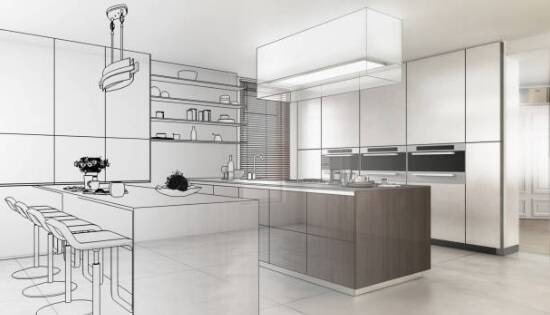
Benefits of an Open-Plan Kitchen Redesign
1. Improved Flow and Connectivity
Open-plan kitchens remove barriers between cooking, dining, and living areas, making it easier to move around and interact with family or guests. In areas like Marrickville and Leichhardt, where homes often have narrow corridors, clever redesigns can make spaces feel twice as wide.
2. Enhanced Natural Light
Removing walls and using glass partitions or low-profile cabinetry maximizes light penetration. In Bondi apartments, where sunlight is a premium, open layouts bring warmth and a sense of spaciousness.
3. Modern Aesthetic Appeal
Open-plan kitchens are synonymous with modern Sydney design trends. Sleek cabinetry, islands, and seamless surfaces create a visually cohesive look that complements contemporary interiors.
4. Better Functionality
Open-plan designs allow for multi-functional islands, integrated storage, and flexible seating areas. Families in Turramurra have found that redesigning their kitchen opened up space for homework, casual dining, and entertaining.
Reference: Houzz – Open-Plan Kitchen Design Ideas
MB9 Approach to Open-Plan Kitchen Redesign
Step 1: Consultation & Spatial Assessment
We start by understanding your lifestyle, cooking habits, and space constraints. Our team conducts on-site measurements and evaluates structural limitations, plumbing, and electrical setups.
Step 2: Conceptual Design
-
3D Renderings: Visualize your redesigned kitchen
-
Material Selection: Benchtops, cabinetry, flooring, and finishes
-
Lighting Plan: Task, ambient, and accent lighting
In a Mosman residence, we redesigned the kitchen to include a floating island and integrated cabinetry that doubled storage while keeping the space airy.
Step 3: Trade Coordination
MB9 manages all trades including plumbers, electricians, cabinet makers, and tilers, ensuring a smooth workflow and adherence to timelines.
Step 4: Installation & Finishing
We install all elements with precision: benchtops, cabinetry, appliances, flooring, and lighting. Every detail is meticulously executed to ensure your open-plan kitchen is functional and visually stunning.
Key Features of an Open-Plan Kitchen Redesign
Custom Cabinets
-
Space-efficient and visually cohesive
-
Push-to-open and soft-close mechanisms
-
Designed for appliances, utensils, and pantry storage
Benchtops & Islands
-
Quartz, marble, or engineered stone surfaces
-
Multi-functional islands with seating, storage, and prep space
-
Seamless integration with sinks and cooktops
Appliance Integration
-
Hidden or integrated refrigerators, dishwashers, and microwaves
-
Smart ovens and induction cooktops
-
Energy-efficient and high-performance appliances
Lighting & Ambience
-
Layered lighting with task, ambient, and accent zones
-
LED under-cabinet strips and pendant lights over islands
-
Creates a welcoming, functional, and luxurious environment
Flooring & Finishes
-
Engineered timber, stone, or high-quality tiles
-
Durable and easy to maintain
-
Complements cabinetry and benchtops
Open Layout Solutions
-
Partial walls, glass partitions, or full removal of walls
-
Islands and breakfast bars to define zones
-
Maximizes flow, light, and functional interaction
Case Studies of MB9 Open-Plan Kitchen Redesigns
Newtown Terrace
-
Original layout: Closed-off kitchen, limited natural light
-
MB9 solution: Removed a wall, created a galley-open layout, installed a floating island
-
Result: Modern, bright, functional, and ideal for family living
Bondi Apartment
-
Original layout: Compact, dark kitchen
-
MB9 solution: Opened the space, installed custom cabinetry, glass backsplash, and integrated appliances
-
Result: Spacious, light-filled, and visually connected to living area
Turramurra Family Home
-
Original layout: Outdated, cluttered kitchen
-
MB9 solution: Open-plan redesign with island, designer lighting, and custom cabinetry
-
Result: Centerpiece for entertaining and family interaction
Frequently Asked Questions
“Can MB9 redesign kitchens in heritage homes?”
Yes. We respect heritage requirements while creating functional and modern open-plan spaces.
“How long does an open-plan redesign take?”
Typically 4–8 weeks, depending on the complexity, trades, and approvals.
“Do you manage all trades?”
Absolutely. MB9 handles electricians, plumbers, tilers, and cabinet makers for seamless execution.
“Will the redesign increase my home value?”
Yes. Open-plan kitchens are highly desirable and often improve property resale value.
Frequently Asked Questions
How much does a typical open-plan kitchen redesign in Sydney cost? (Budget, Pricing & Quotes)
A typical open-plan kitchen redesign in Sydney usually costs between $45,000 and $90,000, but that number can move up or down depending on how bold your ideas are (and how many walls you want to knock down 😄).
At the lower end ($45k–$60k), you’re usually looking at removing a non-load-bearing wall, reworking the layout, installing new cabinetry, benchtops, appliances, lighting, and updating plumbing and electrical within the existing footprint. This suits apartments or houses where the structure stays mostly the same.
The mid-range ($60k–$75k) is where most Sydney homeowners land. This often includes partial structural changes, steel beams if a load-bearing wall is removed, custom cabinetry, stone benchtops, improved lighting design, and better integration with living and dining areas. This is where the kitchen really starts to feel “open”, not just bigger.
At the higher end ($75k–$90k+), you’re usually dealing with full structural alterations, engineered beams, premium finishes, high-end appliances, and sometimes floor plan changes across multiple rooms. Think seamless flow, luxury materials, and a kitchen that becomes the heart of the home.
Sydney pricing is influenced by engineering requirements, council approvals, labour costs, access constraints, and finish selection. That’s why quotes can vary wildly even for kitchens that look similar online.
The smartest move? Get a site-specific quote. An experienced local redesign specialist will assess structure, services, and lifestyle needs before locking in a realistic budget—saving you from nasty surprises later. In open-plan design, planning is everything; once the wall is down, there’s no “undo” button.
Is $20K enough for a full open-plan kitchen redo in Parramatta / Ryde / Sutherland? (Budget, Pricing & Quotes)
Short answer? Usually no — and here’s why.
In Parramatta, Ryde, and Sutherland, a $20,000 budget is rarely enough for a full open-plan kitchen redo, especially if you’re talking about removing walls and truly opening up the space. Once the word “open-plan” enters the conversation, the project shifts from a simple kitchen upgrade to a structural renovation.
Here’s where the money actually goes. Wall removal often requires engineering design, steel beams, certification, and inspections. That alone can eat a big chunk of a $20K budget before a single cabinet is installed. Add plumbing, electrical upgrades, new cabinetry, benchtops, appliances, flooring continuity, and lighting — and the numbers climb fast.
In today’s Sydney market, most genuine open-plan kitchen redesigns in these suburbs start around $45,000–$60,000 for a well-planned, compliant result. This range allows for proper structural work, functional layouts, and finishes that won’t feel outdated in three years.
So what can $20K realistically achieve? It may cover a cosmetic kitchen refresh — new doors, benchtops, splashback, and appliances — without structural changes. Think “better looking kitchen”, not “open-plan transformation”.
The biggest risk with a tight budget is being tempted by cheap quotes that skip engineering, approvals, or proper coordination. That’s where cost blowouts and safety issues appear later.
If open-plan living is your goal, the best move is a site-specific assessment by a local renovation specialist who understands Parramatta, Ryde, and Sutherland housing stock. Clear advice upfront saves money, stress, and the “why didn’t anyone tell me this earlier?” moment.
What’s included in a kitchen redesign quote in Sydney — and what’s extra? (Budget, Pricing & Quotes)
A kitchen redesign quote in Sydney can look straightforward at first glance, but the real value is in the details. Understanding what’s included — and what’s usually extra — helps you compare quotes properly and avoid budget surprises halfway through the build.
Most professional kitchen redesign quotes typically include design consultation, site measurement, demolition of the existing kitchen, cabinetry installation, standard plumbing and electrical work, benchtops, splashbacks, appliances installation, basic lighting, and project coordination. Labour, waste removal, and compliance with NSW building standards are usually bundled in as well. If it’s an open-plan layout, some quotes may include minor wall removal where no structural changes are required.
However, this is where homeowners often get caught out — extras. Structural changes such as removing load-bearing walls, installing steel beams, engineering drawings, and certifications are often priced separately. Council approvals, strata approvals (common in Sydney apartments), asbestos removal, flooring outside the kitchen zone, feature lighting, high-end appliances, custom cabinetry upgrades, and premium stone benchtops can also sit outside the base quote.
Access issues are another Sydney-specific factor. Tight terraces, apartments with lift bookings, parking permits, or restricted working hours can add costs that aren’t obvious upfront.
A good local kitchen redesign specialist will clearly break down inclusions vs exclusions, explain allowances, and flag potential variations early. When reviewing quotes, don’t just compare the bottom number — compare scope, assumptions, and responsibility. The cheapest quote often becomes the most expensive once the “extras” start appearing. A transparent quote is not just pricing — it’s peace of mind.
Why did one quote from a Sydney renovator turn out twice as much after trades came? (Budget, Pricing & Quotes)
This happens more often in Sydney than homeowners like to admit — and it’s usually not bad luck, it’s bad quoting.
When a renovator’s quote doubles after trades arrive, the root cause is almost always an incomplete or unrealistic initial scope. Some quotes are prepared to “win the job”, not to reflect the real cost of building it properly. Once plumbers, electricians, engineers, and other trades get involved, the truth comes out — with invoices attached.
Common reasons include missing structural allowances. If walls are being removed and no engineering, steel beams, or certifications were allowed for upfront, those costs appear later as “variations”. In Sydney, even small structural changes can add tens of thousands once compliance is done correctly.
Another big culprit is provisional sums. You might see a low allowance like “$2,000 electrical” or “$3,000 plumbing”. Sounds fine… until the licensed trades assess the actual work and say, “That won’t even cover half of it.” Suddenly, the price jumps — and technically, the renovator can say it wasn’t included.
There’s also the issue of poor site investigation. Hidden asbestos, uneven floors, outdated wiring, concrete slabs, or tricky access (very common in terraces and apartments) are often not checked properly before quoting. When discovered mid-build, costs escalate fast.
Finally, some renovators don’t coordinate trades early. Instead of getting realistic trade pricing upfront, they guess — and guesses are cheap… until they aren’t.
A well-prepared Sydney renovation quote should involve early trade input, realistic allowances, clear inclusions/exclusions, and compliance planning. If a quote feels too good to be true, it usually is — and the real price just hasn’t arrived yet.
Do designers in Sydney charge separately for open plan layout advice? (Budget, Pricing & Quotes)
Yes — and here’s the honest breakdown from years in the Sydney renovation trenches👇
In most cases, yes, designers do charge separately for open-plan layout advice — especially when real planning and skill are involved. That’s because open-plan isn’t just “move the bench and boom it’s open.” Good layout design means flow, structural logic, lighting, traffic patterns, and how your family actually lives — and that takes time and expertise, not guesswork.
Here’s how it generally works:
💡 What you will usually pay for
Design consultation & layout planning
-
Initial design time (could be an hourly rate or fixed package)
-
Concept plans showing wall removals, zones, and circulation
-
Furniture/kitchen layout coordination
-
Preliminary drawings for pricing & feasibility
This is the real “shape your space” work — and yes, it’s usually priced separately.
💡 What might be included in a build quote
Some renovation packages bundle basic layout advice as part of the full service, but this is typically high-level and not detailed. If the designer is part of a builder’s team, they may offer an initial concept for free or at a low fee — but detailed design and revisions are still extra.
💡 What adds cost
These often sit outside the base layout fee:
-
Engineering input for removing walls or adding beams
-
Council or strata planning advice
-
3D renders or walkthroughs
-
Detailed cabinetry plans
Sydney specifics
Sydney houses, terraces, and units often have tricky structures and compliance requirements — so good design does more than make it look nice. It saves money long-term by avoiding rework, council snags, and poor flow.
Bottom line?
Think of design advice as an investment, not a luxury. A well-designed open-plan layout can prevent nasty surprises and expensive changes once the trades are on site — a common reason project prices blow out.
If a quote seems to skip layout design entirely, ask them to show you the thinking, not just the numbers. That’s where real value lives.
How can I avoid budget blowouts on my Bondi kitchen project? (Budget, Pricing & Quotes)
Bondi kitchens are famous for two things: great coffee nearby ☕ and very easy budget blowouts if you’re not careful. The good news? Most cost overruns are avoidable if you lock the right things in before the first tile is pulled off the wall.
1. Finalise the design before construction starts
Changing your mind mid-build is the fastest way to burn money. In Bondi apartments and terraces, small layout tweaks can trigger extra plumbing, electrical, or strata approvals. Final drawings, selections, and layouts should be signed off before day one.
2. Be crystal clear on what’s included in the quote
Ask for a written breakdown: cabinetry specs, appliance allowances, benchtop type, lighting points, and finishes. If something is labelled “PC” or “provisional sum”, that’s a warning sign — it means the price is a guess, not a guarantee.
3. Confirm structural and compliance items upfront
Wall removals, beam installation, waterproofing, asbestos checks, and strata requirements are common in Bondi. If these aren’t allowed for early, they will appear later as expensive variations.
4. Lock in appliances early
Appliance changes affect cabinetry, power, ventilation, and sometimes approvals. Late swaps = rework = extra cost. Choose and confirm them early, even if delivery happens later.
5. Choose experience over cheap quotes
A low quote often excludes the hard stuff. An experienced Bondi kitchen renovator will price access restrictions, parking, lift bookings, and limited working hours upfront — not as surprises.
6. Keep a realistic contingency
Even well-planned projects should allow 5–10% contingency. Older coastal buildings hide surprises behind walls, no matter how good the planning is.
Bottom line: budget blowouts don’t come from bad luck — they come from uncertainty. Reduce uncertainty early, and your Bondi kitchen can stay stylish, functional, and financially sane.
Are there hidden costs when knocking down a wall for an open plan kitchen? (Budget, Pricing & Quotes)
Absolutely — knocking down a wall for an open-plan kitchen is one of the fastest ways to make your budget balloon if you’re not prepared. In Sydney, what looks like a simple wall often hides a lot of extra costs.
Here’s what homeowners usually don’t see coming:
1. Structural requirements
If it’s a load-bearing wall, you’ll need an engineer’s design, steel beam, and certification. Even small walls can require pricey structural work. Non-load-bearing walls are cheaper, but it’s worth double-checking — sometimes what looks “just a partition” isn’t.
2. Council approvals and permits
Especially in terraces, apartments, or heritage areas, removing walls may require development or building approvals. This adds fees and time, and ignoring it can cause fines or insurance issues later.
3. Plumbing, electrical, and HVAC relocation
Walls often hide pipes, drains, or wiring. When a wall comes down, these need re-routing, which can be surprisingly expensive.
4. Finishing and integration
Once the wall is gone, you’ll need flooring continuity, ceiling repairs, skirting, lighting adjustments, and sometimes cabinetry rework to make the space look seamless. These costs add up quickly.
5. Hidden surprises
Asbestos, termite damage, uneven floors, or old wiring are common in older Sydney homes. They are usually discovered only after demolition.
Key takeaway:
A low initial quote might not include these extras. The safest way to avoid nasty surprises is to get a site-specific assessment and detailed quote from an experienced Sydney renovator, including structural, service, and compliance costs. In open-plan design, planning upfront saves thousands later.
Should I expect separate fees for demolition, design, and installation? (Budget, Pricing & Quotes)
Yes — in Sydney, it’s very common for demolition, design, and installation to be quoted as separate line items, and it’s not necessarily a trick; it just reflects the complexity of kitchen renovations.
1. Demolition:
This covers removing the old kitchen, walls, flooring, cabinets, and waste removal. In older homes, there might be hidden costs like asbestos removal, uneven floors, or old plumbing/electrical work that only show up once walls are down. Many renovators list this separately because it’s unpredictable.
2. Design:
Open-plan kitchens, custom layouts, and workflow optimization require professional design time. This usually includes site measurements, 2D/3D layout plans, material selections, and sometimes even renderings. Designers often charge hourly or a fixed fee for this phase, especially if the design is detailed and iterative.
3. Installation / Construction:
This is the actual build: cabinetry, benchtops, plumbing, electrical, lighting, painting, and finishing. It often involves multiple trades, and separating it in the quote makes it easier to track labor vs. materials.
Why separate fees matter:
-
Transparency: You can see exactly where your money is going.
-
Flexibility: You could hire your own designer or do demolition yourself to save costs.
-
Risk management: Each phase has its own uncertainties; separating fees reduces surprises later.
Bottom line: Expect separate line items in a professional Sydney kitchen quote. The real value is in clear scope and assumptions — not a single “all-inclusive” number that hides variations waiting to appear once the job starts.
Can I get a free kitchen redesign quote in Castle Hill or Chatswood? (Budget, Pricing & Quotes)
Absolutely — yes, you can get a free kitchen redesign quote in Castle Hill or Chatswood — but let’s unpack what that really means so you don’t get stung later. 😄
In Sydney’s renovation world, many reputable designers and builders offer a free initial quote or consultation for kitchen redesigns. This is especially true in suburbs like Castle Hill and Chatswood where homeowners are detail‑oriented and competition among quality renovators is healthy. A free quote typically includes a site visit, discussion of your goals, and a ballpark estimate based on what you want — great for getting a feel for the scope and cost.
However — and this part is important — “free quote” doesn’t always include:
-
Detailed design plans (measured drawings, 3D layouts, custom cabinetry plans)
-
Engineering advice (for wall removals or structural changes)
-
Council or strata documentation
-
Appliance selections or finishes allowance
Those deeper design and planning services usually attract a separate fee because they require hours of professional work.
Here’s a smart way to approach it:
-
Book a free site visit — get a rough budget range specific to your space.
-
Ask what’s included in that free quote — and what’s extra (design plans, documentation, engineering, etc.).
-
If you want accurate pricing, consider paying a small fixed fee for a detailed design pack — this gives you a real budget and avoids surprises later.
-
Use that detailed plan to get multiple comparable quotes from builders in Castle Hill or Chatswood — that’s how you keep costs competitive and transparent.
So yes — free quotes exist, and they’re a great first step. Just be clear about what you’re comparing so you’re not comparing apples to oranges when budgets start rolling in. 🛠️📐💡
What realistic price per square metre do Sydney renovators charge for open plan kitchens?
When you’re budgeting for an open‑plan kitchen in Sydney, many renovators will talk about price per square metre — but the real numbers depend on how much work you’re doing inside that zone (just cosmetics vs full structural reconfiguration). Here’s a real‑world sense of what builders and renovators often charge in the Sydney market:
🧱 Typical Price Ranges (Per Square Metre)
📌 Basic renovation (no layout change)
• Around $1,500 – $2,000/m² when you’re refreshing cabinets, benchtops and finishes but keeping the same footprint. (Nero Tapware)
📌 Mid‑range kitchen (better finishes + some trade work)
• Around $2,500 – $3,500/m² — this includes semi‑custom cabinetry, engineered stone surfaces, quality appliances and standard plumbing/electrics. (Nero Tapware)
📌 High‑end / custom kitchens
• $4,000/m²+ when you’re doing luxury materials, more complex joinery, premium appliances, and detailed finishes. (Nero Tapware)
These figures give a starting ballpark, but open‑plan kitchens often go beyond simple kitchen renovation because you’re reworking the space.
🔨 Why Open‑Plan Costs More
• Structural work — knocking down walls often requires engineers and beams.
• Floors, ceilings and finishes — you want the space to flow, not look patched together.
• Trades coordination — cabinetry, electrical, plumbing, tiling and lighting all need syncing.
All of this pushes your per‑m² investment well above a straight kitchen refit, especially if you’re creating dining/living continuity.
🧠 A Practical Tip
Rather than relying solely on a price‑per‑square‑metre figure, the best way to get accurate expectations in Sydney is to ask renovators for a detailed quote that includes scope, materials, services, and site conditions. Comparisons based on square metres alone can be misleading if one quote includes structural work and another treats it as a variation.
In short:
💡 For open‑plan kitchen redesigns in Sydney you’re usually looking at $2,500–$4,000+/m² as a realistic local range — and sometimes more once you factor in walls, engineering, and premium finishes.
How long does a typical kitchen redesign take in Sydney suburbs? (Sydney Customers’ Practical Concerns)
In Sydney, a typical kitchen redesign timeline depends on scope, access, and approvals — but homeowners often underestimate just how long it really takes. Here’s a practical breakdown from my experience working across terraces, apartments, and detached houses in Sydney suburbs:
⏱️ Realistic Timelines
1. Small cosmetic or layout-refresh (no structural work): 2–4 weeks
-
New cabinetry doors, benchtops, splashbacks, appliances, and lighting.
-
Trades are easier to coordinate because walls, plumbing, and electrical paths mostly stay the same.
2. Mid-range redesign (some structural changes or open-plan tweaks): 6–10 weeks
-
Removing non-load-bearing walls or minor structural modifications.
-
Rerouting plumbing, electrical, and lighting to suit new layouts.
-
Cabinetry and flooring installation, plus painting and finishes.
3. Full open-plan kitchen renovation (structural work, premium finishes): 10–16+ weeks
-
Structural engineering, council approvals, steel beams, and compliance checks.
-
Trades scheduling can be tricky in Sydney suburbs like Bondi, Chatswood, or Castle Hill, where parking, lifts, or working hours are restricted.
-
High-end materials, custom cabinetry, and integrated appliances often require lead times.
🔨 Factors That Affect Timing
-
Council or strata approvals: Older terraces and apartment blocks often need approvals before demolition or structural work.
-
Hidden surprises: Asbestos, uneven floors, or old wiring can delay work.
-
Trade availability: Skilled kitchen installers, plumbers, and electricians can be booked weeks out.
-
Material lead times: Stone benchtops, custom cabinetry, or designer appliances can add 2–6 weeks depending on supply.
Practical tip: In Sydney, it’s smart to add 10–20% buffer to any timeline to account for approvals, deliveries, and unexpected site conditions. Planning well upfront saves stress and keeps your project on track — because once the wall is down, there’s no going back!
Do Sydney renovators help with council approvals for structural wall removals? (Sydney Customers’ Practical Concerns)
Yes — in Sydney, a trusted renovator doesn’t just swing a sledgehammer; they help navigate the maze of council approvals, especially for structural wall removals in open-plan kitchens. Removing a wall is more than a cosmetic change — it often affects the building’s structure, compliance, and safety, which is why council involvement is essential.
A professional Sydney renovator will usually coordinate with structural engineers to prepare certified plans showing how the wall will be supported, including steel beams or load redistribution. These plans form the core of the Development Application (DA) or Complying Development Certificate (CDC) submitted to the local council. Without this, work can be stopped, fines issued, or insurance invalidated.
Renovators also liaise with the council on your behalf, ensuring the approvals match building codes, fire regulations, and strata requirements if you’re in an apartment or terrace. They can advise whether certain minor wall removals are exempt or if a full engineering report is needed. This guidance is critical in Sydney suburbs like Bondi, Chatswood, Castle Hill, and Sutherland, where heritage overlays, tight terraces, or complex layouts often trigger extra requirements.
Many homeowners assume council approval is optional — but in reality, skipping it can lead to delays, unsafe structures, and costly retrofits. By having your renovator manage the process, you get peace of mind: the wall comes down safely, the open-plan flow works as intended, and your project remains compliant.
In short: yes, Sydney renovators typically manage or guide council approvals for structural work, saving you time, money, and stress — making your dream open-plan kitchen achievable without legal headaches.
What trades are included when going open plan in a kitchen in Hornsby? (Sydney Customers’ Practical Concerns)
When you go open-plan in a Hornsby kitchen, it’s not just about ripping out a wall — it’s a coordinated effort between multiple trades, each critical to ensuring your kitchen looks seamless, functions perfectly, and meets all safety and compliance requirements.
Here’s a realistic breakdown of the trades typically involved:
1. Structural Engineer & Builder/Carpenter:
Before any wall comes down, a structural engineer assesses load-bearing requirements and specifies beams or supports. The builder or carpenter then installs steel beams or reinforced timber according to those plans.
2. Demolition Crew:
Specialised demolition trades remove walls, cabinetry, flooring, or other existing elements while keeping dust, noise, and damage to a minimum — especially important in tight Hornsby terraces or apartments.
3. Plumber:
Open-plan redesigns often require relocating sinks, dishwashers, or gas lines. Plumbers ensure all water, drainage, and gas connections meet NSW standards and integrate smoothly into the new layout.
4. Electrician:
Lighting, power points, oven circuits, and under-bench appliances all need rewiring. Open-plan kitchens often involve ceiling modifications for downlights or pendant lights, which electricians handle precisely.
5. Tiler / Flooring Specialist:
Flooring continuity is key for open-plan flow. Tiles or timber may need extending, matching, or repairing where walls once stood. Splashbacks and feature tiling are also included.
6. Cabinetry & Bench Installer:
Custom or semi-custom cabinetry, benchtops, and joinery are installed to fit the new layout perfectly.
7. Painter / Finisher:
Walls, ceilings, and skirtings are patched, painted, and finished to create a seamless look across the open-plan area.
In Hornsby, many renovators coordinate all these trades under one project manager, so homeowners don’t have to chase multiple contractors. That’s the difference between a smooth, compliant open-plan kitchen and a stressful, disjointed project.
Will I need an engineer’s report to remove a wall in my Ryde home? (Sydney Customers’ Practical Concerns)
In almost every case in Ryde, the answer is yes — especially if the wall is load-bearing. Removing a wall in an open-plan kitchen isn’t just about aesthetics; it’s a structural change, and NSW building rules take that very seriously.
Here’s how it works in practice:
1. Identify the wall type
-
Load-bearing walls: Support floors, ceilings, or roof above. Removing them without proper support is dangerous and illegal.
-
Non-load-bearing walls: Mostly partitions. These can sometimes be removed without an engineer, but it’s still wise to get a professional assessment.
2. Engineer’s report
A structural engineer will inspect the wall, the house structure, and load distribution. They provide a detailed report specifying whether a steel beam or reinforced timber is needed, and how it should be installed. This report is required for council approval (DA or CDC) for structural modifications.
3. Compliance and insurance
Without an engineer’s report, you risk:
-
Council fines or stop-work orders
-
Insurance becoming void if something goes wrong
-
Safety hazards that could endanger your family or future buyers
4. Practical tip
Even if the wall looks harmless, older Ryde homes often have hidden surprises — uneven floors, original timber framing, or pipes/electrical embedded in walls. Having an engineer involved upfront avoids expensive surprises mid-build.
Bottom line:
For a Ryde open-plan kitchen, a qualified structural engineer’s assessment is almost always necessary. It ensures your wall removal is safe, compliant, and seamless, letting you enjoy your new open-plan space without headaches or risk.
How do designers make sure my kitchen island works with my living area? (Sydney Customers’ Practical Concerns)
Designing a kitchen island that flows seamlessly into your living area is one of the trickiest parts of an open-plan Sydney home — but it’s also where good designers make the difference between “looks nice” and “feels amazing to live in.”
Here’s how they approach it:
1. Space planning and circulation
Designers first map out how people move through your kitchen and living area. They ensure there’s enough clearance around the island for cooking, entertaining, and daily traffic. In Sydney homes, especially terraces or apartments, tight spaces need precise measurements to avoid cramped walkways.
2. Height and function
The island must suit both kitchen tasks and social interaction. Designers consider bench height, seating height, and whether the island doubles as a prep area, dining spot, or study nook. Multi-use functionality is key in modern open-plan living.
3. Visual balance and materials
The island should feel integrated, not like a standalone piece. Designers coordinate cabinetry, benchtops, flooring, and lighting with the living area. Contrasting finishes can work if balanced, but most Sydney renovators aim for a cohesive look that blends kitchen and lounge seamlessly.
4. Lighting and ambience
Pendant lights over the island, task lighting, and general living area lighting are carefully layered so the island doesn’t feel isolated. This also defines zones subtly without erecting walls.
5. Traffic flow and ergonomics
Designers often mock up the layout physically or digitally to test interaction between cooks and guests. In Sydney homes where space is limited, this step prevents bottlenecks around the fridge, oven, or sink.
Bottom line: A well-designed island in an open-plan kitchen doesn’t just look good — it connects the kitchen and living area functionally and visually, making your home feel bigger, more welcoming, and more practical for daily life.
What questions should I ask my Sydney kitchen designer first? (Sydney Customers’ Practical Concerns)
When meeting a kitchen designer in Sydney, asking the right questions upfront can save you time, money, and headaches — especially for open-plan projects where walls, appliances, and traffic flow all need careful planning. Here’s a practical list to get the conversation started:
1. What’s included in your design service?
-
Do they provide 2D/3D plans, material specifications, lighting plans, and detailed cabinetry drawings?
-
Are structural or engineering considerations part of the package, or extra?
2. Have you worked on open-plan kitchens in homes like mine?
-
Experience in Sydney terraces, apartments, or detached homes matters because space constraints, ceiling heights, and natural light vary.
3. How do you handle council approvals and compliance?
-
Ask if they coordinate with engineers, submit DAs or CDCs, and manage strata approvals if applicable.
4. How do you coordinate with trades?
-
Will they manage plumbers, electricians, tilers, and carpenters? Who’s responsible for scheduling and quality control?
5. What’s your approach to budget management?
-
Will they provide itemized cost estimates, highlight provisional sums, and flag potential variations before work starts?
6. Can you advise on materials, finishes, and appliances that suit my lifestyle?
-
Good designers don’t just make it look pretty — they optimize durability, functionality, and resale value.
7. How long will the project take?
-
Ask for a realistic timeline including demolition, structural work, and finishing, with a buffer for approvals and material lead times.
8. Do you offer a warranty or post-install support?
-
Knowing who handles issues after installation is essential for peace of mind.
Bottom line: A Sydney kitchen designer should guide the design, manage compliance, coordinate trades, and keep you on budget. Asking these questions upfront separates a professional, stress-free experience from a costly, frustrating one.
Is it worth ripping out cupboards to get a better open plan flow? (Sydney Customers’ Practical Concerns)
If you’re in Sydney and thinking about ripping out cupboards to improve open-plan flow, the short answer is: sometimes yes, sometimes no — it depends on your goals and the house structure.
Cupboards can make a kitchen feel closed and cramped, especially in older terraces, apartments, or compact suburban homes. Removing them can open sightlines to the living and dining areas, create a lighter, airier feel, and let natural light flow across the space — which is exactly what homeowners are after when chasing an open-plan lifestyle.
However, it’s not just a cosmetic decision. Cabinet removal affects storage, structure, and services:
-
Structural considerations: Some cupboards are built into walls that may be load-bearing or house wiring, plumbing, or ducting. Sydney homes, particularly older ones in suburbs like Bondi, Ryde, or Chatswood, often hide surprises behind cabinetry. You may need a structural engineer to confirm it’s safe.
-
Functional trade-offs: Removing cupboards can create more space, but you lose storage. Designers often compensate with islands, wall cabinets elsewhere, or tall pantry units to maintain practicality.
-
Integration with flow: The goal isn’t just empty space — it’s creating a natural path between kitchen, dining, and living areas. Proper planning ensures the open-plan layout feels intentional, not awkward or empty.
-
Budget impact: Cupboard removal may trigger extra costs — demolition, waste removal, rerouting services, and possibly structural reinforcement — so it’s worth comparing the benefit to the investment.
In short: ripping out cupboards can be worth it if it significantly improves your kitchen’s connection to the living space, but it must be done with planning, design, and engineering in mind. In Sydney, a local renovator or designer can assess your space, propose layout alternatives, and help you achieve a seamless, functional open-plan kitchen without surprises.
How do Sydney designers make small kitchens feel bigger? (Sydney Customers’ Practical Concerns)
In Sydney, where terraces, apartments, and compact homes dominate, making a small kitchen feel bigger is both an art and a science. Designers use a mix of layout tricks, material choices, and visual strategies to expand the space without knocking down walls. Here’s how they do it:
1. Open sightlines
Designers often remove or reduce overhead cupboards and use open shelving or glass-front cabinets. This lets light pass through and avoids visual clutter, creating the impression of more space.
2. Smart layout planning
Even in small kitchens, a well-thought-out work triangle — connecting sink, stove, and fridge — optimizes movement and efficiency. Designers might shift appliances or reposition islands/pensinsula units to free up circulation and make the kitchen feel less cramped.
3. Light colours and reflective surfaces
White or pale cabinetry, glossy tiles, mirrored splashbacks, and polished stone benchtops bounce light around and visually expand the room. In Sydney’s northern suburbs or terraces with limited natural light, this trick is essential.
4. Integrated appliances
Slimline or built-in appliances reduce bulk, and handleless cabinetry removes visual breaks, making the space feel cleaner and more open.
5. Clever lighting
Layered lighting — under-cabinet lights, pendant lamps, and ceiling downlights — adds depth and eliminates shadows that make kitchens feel smaller.
6. Minimalist details
Sydney designers often embrace clean lines, concealed storage, and clutter-free benches. Less visual distraction = larger-feeling space.
7. Visual continuity with adjoining rooms
In open-plan layouts, using matching flooring and coordinated colours between the kitchen and living area creates a seamless flow that tricks the eye into perceiving a bigger area.
Bottom line: Sydney designers don’t just make small kitchens “look” bigger — they improve function, light, and flow, creating a kitchen that feels spacious, bright, and connected to the rest of the home.
What happens if trades don’t show up during a Bondi kitchen job? (Sydney Customers’ Practical Concerns)
If trades don’t show up during a Bondi kitchen renovation, it’s more than just inconvenient — it can throw your whole project off schedule and inflate costs. Here’s what typically happens and how experienced Sydney renovators manage it:
1. Delays in the project timeline
Missing plumbers, electricians, tilers, or cabinet installers can halt work entirely. In Bondi apartments or terraces, where access is tight, every trade often depends on the previous one finishing on time. A single no-show can create a domino effect, pushing back completion by days or even weeks.
2. Cost implications
Delays can increase labour costs if trades are rescheduled or if site supervision must extend. Material deliveries might arrive before the space is ready, increasing storage costs or risk of damage.
3. Scheduling chaos
Bondi projects often involve parking restrictions, lift bookings, or strict noise limits. When a trade doesn’t show, all subsequent scheduling adjustments become tricky and sometimes expensive.
4. Quality risks
If trades rush to make up for lost time, mistakes can happen — misaligned cabinetry, uneven tiling, or poorly connected plumbing and electrical work.
5. How Sydney renovators prevent it
Experienced renovators coordinate trades under a single project manager, confirm attendance daily, and build contingencies into the schedule. They often have backup tradespeople on call, and they communicate delays immediately, so the homeowner isn’t left guessing.
Bottom line: While no-show trades are stressful, a well-managed Bondi kitchen project accounts for these risks. With proper coordination, clear contracts, and contingency planning, delays can be minimised and costs controlled, keeping your open-plan kitchen project on track.
Should I really replace appliances when redesigning an old kitchen? (Sydney Customers’ Practical Concerns)
When redesigning an old kitchen in Sydney, the question of whether to replace appliances isn’t just about aesthetics — it’s about function, efficiency, and long-term value.
Old appliances may still work, but they often underperform compared to modern standards. Think energy efficiency, noise levels, smart features, and capacity. In a kitchen redesign, especially for open-plan layouts in suburbs like Bondi, Ryde, or Castle Hill, outdated appliances can look out of place and undermine the flow of the new space.
Here’s why replacement is usually worth considering:
1. Layout integration
New appliances are often slimmer, built-in, or handleless, allowing designers to create seamless cabinetry and islands. Retaining old units can force compromises, leaving gaps or awkward configurations that break the open-plan flow.
2. Energy efficiency & running costs
Modern ovens, dishwashers, fridges, and induction cooktops use significantly less electricity and water. In Sydney, with rising utility costs, replacing them can pay for itself over a few years.
3. Warranty and reliability
Older appliances are more prone to breakdowns. A kitchen redesign is expensive — the last thing you want is an appliance failure soon after completion.
4. Resale value
Homes with contemporary, energy-efficient appliances appeal to buyers. Even if you aren’t selling immediately, a fully updated kitchen adds long-term value.
5. Design cohesion
Open-plan kitchens rely on visual harmony. Stainless steel, matte black, or integrated appliances make the kitchen feel modern and connected to the living area. Mixing old and new can clash.
Bottom line: Replacing appliances during a Sydney kitchen redesign is generally worth it. It ensures functionality, energy savings, design cohesion, and peace of mind, making your newly designed kitchen both beautiful and practical for years to come.
How do I decide if open plan is right for my Dulwich Hill terrace? (Planning & Layout Worries)
Deciding whether an open-plan kitchen is right for your Dulwich Hill terrace requires balancing lifestyle goals, structural realities, and budget. Open-plan living is trendy, but it’s not automatically the best solution for every terrace.
1. Assess your lifestyle needs
Do you entertain frequently or prefer a flowing connection between kitchen, dining, and living areas? Open-plan layouts shine for families and social homeowners because they allow visibility, conversation, and natural light to pass through the space. If you prefer defined zones or need quiet for work or study, a fully open layout may be less practical.
2. Evaluate your terrace structure
Dulwich Hill terraces often have load-bearing walls, narrow widths, or older timber framing. Removing walls requires structural engineers and potentially steel beams — so your space must allow it safely. Non-load-bearing walls are easier, but a professional assessment is essential.
3. Consider natural light and ventilation
Open-plan designs work best when light can flow across rooms. If your terrace has limited windows or low ceilings, removing walls alone won’t create a bright, airy feel; thoughtful design, reflective surfaces, and clever lighting are key.
4. Factor in noise and heating/cooling
Open spaces can carry kitchen noise and cooking smells into living areas. Designers in Sydney often address this with zoned ventilation, acoustic finishes, and layout planning.
5. Budget and approvals
Wall removal often triggers council approvals, engineering reports, and trades coordination, which can significantly impact costs. In Dulwich Hill, planning requirements for terraces may affect feasibility and timeline.
Bottom line: Open-plan can transform a Dulwich Hill terrace, but only when lifestyle goals, structure, and budget align. Consulting a local Sydney renovator or designer early ensures your space is safe, functional, and visually seamless — giving you confidence that open-plan is truly right for your home.
What’s the best way to plan an open plan kitchen in a Granny Flat? (Planning & Layout Worries)
Planning an open-plan kitchen in a Sydney granny flat requires balancing space efficiency, functionality, and visual flow — because granny flats are typically compact, every square metre counts. Done right, an open-plan layout can make the space feel larger, brighter, and far more livable.
1. Prioritise layout efficiency
In a small granny flat, the kitchen often doubles as the heart of the living space. Designers focus on a functional work triangle — connecting sink, stove, and fridge — while keeping clear circulation paths. Compact islands or breakfast bars can add prep space and seating without crowding the room.
2. Maximise storage without clutter
Open-plan kitchens benefit from vertical storage and multi-functional cabinetry. Wall cabinets, tall pantry units, and integrated appliances keep essentials hidden, maintaining the airy feel. Open shelving can be used sparingly to reduce visual bulk.
3. Enhance light and flow
Natural light is essential in smaller spaces. Designers position islands, benches, and cabinetry to allow light from windows or sliding doors to flow through, creating the illusion of a larger, connected space. Reflective surfaces, light colours, and coordinated finishes also make the granny flat feel more spacious.
4. Integrate with living areas
Even in a compact home, the kitchen should blend seamlessly with the living and dining zones. Using consistent flooring, colours, and lighting helps create continuity. Thoughtful placement of seating encourages social interaction without obstructing traffic flow.
5. Plan for practical constraints
Granny flats often have restricted ceiling heights, smaller windows, and limited services. Experienced Sydney renovators coordinate trades — plumbing, electrical, cabinetry, and appliances — to maximise functionality while meeting building codes and compliance requirements.
Bottom line: The best open-plan kitchen in a granny flat is carefully planned, visually cohesive, and highly functional, making small spaces feel larger and more inviting. Consulting a local Sydney designer or renovator ensures your granny flat kitchen is practical, stylish, and compliant — turning a tiny space into a big experience.
Can an open plan design still give me enough storage? (Planning & Layout Worries)
Absolutely — an open-plan kitchen in Sydney can still give you plenty of storage, but it requires smart design rather than just adding more cupboards. Many homeowners worry that removing walls and opening up the space will leave them with nowhere to store appliances, utensils, and pantry items — but with careful planning, open-plan layouts can be both airy and highly functional.
1. Vertical storage
Wall cabinets don’t have to disappear completely. Designers often use tall cabinets, overhead storage, and pantry units to take advantage of vertical space without closing off the room. In Sydney terraces and apartments, this maximises storage while keeping sightlines open.
2. Multi-functional islands and benches
Kitchen islands can double as storage hubs. Drawers, cupboards, and pull-out pantries integrated into the island provide hidden storage while serving as prep or dining space. In open-plan layouts, this is a key strategy for combining functionality with flow.
3. Clever cabinetry solutions
Pull-out racks, corner carousels, under-sink organisers, and appliance garages help make every cupboard more efficient. This is especially useful in smaller Sydney homes where every centimetre counts.
4. Open shelving and display zones
Selective open shelving can give storage for frequently used items while keeping the kitchen feeling light. Designers balance this with enclosed cabinetry to maintain a clean, uncluttered look.
5. Integrated appliances
Built-in ovens, dishwashers, and fridges reduce bulk and free up cupboard space for other essentials, maintaining both storage capacity and visual continuity in the open-plan design.
Bottom line: Storage doesn’t have to suffer in an open-plan kitchen. With the right design — using vertical space, multi-functional islands, clever cabinetry, and integrated appliances — Sydney homeowners can enjoy a spacious, airy kitchen that’s also practical and fully equipped.
How do I keep my open plan kitchen from feeling too empty or awkward? (Planning & Layout Worries)
Making an open-plan kitchen in Sydney feel spacious yet cozy — without looking empty or awkward — is all about balance, flow, and intentional design. Open spaces can feel airy, but if you remove walls without planning, the kitchen can feel disconnected or oversized compared to the rest of your home.
1. Define zones subtly
Designers use islands, peninsulas, or furniture placement to create functional zones. An island can separate the kitchen from the living area while still maintaining openness. Rugs, lighting, or partial-height cabinetry can visually anchor spaces without closing them off.
2. Balance scale and proportion
The size of the island, cabinetry, and appliances should match the room. In smaller Sydney terraces or apartments, oversized elements make the space feel cramped, while too-small pieces feel lost. Designers aim for a harmonious scale so everything feels intentional.
3. Layer lighting and textures
Pendant lights over the island, under-cabinet lighting, and ambient living area lighting help define spaces and add warmth. Using different textures and finishes — stone, wood, metal — prevents the kitchen from feeling cold or empty.
4. Integrate seating and social areas
Adding stools at the island or a breakfast bar encourages interaction and makes the space feel lived-in. Open-plan kitchens work best when they accommodate both cooking and socialising.
5. Keep visual continuity
Matching flooring, colour palettes, and cabinetry finishes across kitchen and living areas creates a seamless flow. Designers avoid stark contrasts that make the kitchen feel like an isolated box in the room.
Bottom line: A Sydney open-plan kitchen only feels awkward if it lacks planning. With thoughtful zoning, proportion, lighting, and flow, your kitchen can feel spacious, inviting, and fully connected to the rest of your home.
What’s the best island size for my open kitchen in Newtown? (Planning & Layout Worries)
Choosing the best island size for an open-plan kitchen in Newtown is a mix of functionality, flow, and proportion — especially in terraces, apartments, or small houses where space is limited but style matters. A well-sized island can become the heart of your kitchen, serving as prep area, dining spot, and social hub, without feeling cramped or awkward.
1. Consider your space first
A general rule is to leave at least 1 metre (around 3.3 feet) clearance around all sides of the island for smooth traffic flow. In smaller Newtown terraces, this might be tight, so compact islands or peninsulas often work better than oversized standalone units.
2. Match the island to function
-
Prep-focused: Smaller islands with integrated cutting boards, storage drawers, or appliance garages.
-
Social hub: Longer islands (2–3 metres) with seating on one side to accommodate family meals or casual entertaining.
-
Multi-functional: Include storage, prep, seating, and even appliances like a secondary sink or cooktop if space allows.
3. Scale and proportion
The island should feel in balance with your kitchen footprint. Too big dominates the space, making the open-plan feel crowded. Too small feels lost in the room. Designers in Newtown often create 3D layouts to visualise scale before construction.
4. Materials and finishes
Choosing materials that complement your cabinetry, benchtops, and flooring ensures the island blends seamlessly into the open-plan flow. Light-reflective surfaces or integrated lighting can enhance its presence without overpowering the room.
Bottom line: For Newtown open-plan kitchens, the best island is one that balances circulation, function, and style. A local renovator or designer can measure your space, map your workflow, and propose an island size that feels natural, practical, and visually striking — turning your kitchen into a true social and functional centre of your home.
How do open plan kitchens handle noisy living areas? (Planning & Layout Worries)
In Sydney, open-plan kitchens are hugely popular, but one common concern is noise from living areas spilling into the kitchen — and vice versa. A well-designed open-plan space balances connection and functionality without sacrificing comfort.
1. Layout and zoning
Designers often use strategic placement of the island or peninsula to create a subtle buffer between the cooking zone and living area. This separates the noisy TV or kids’ play area from prep and cleanup spaces while keeping the open-plan feel intact.
2. Acoustic treatments
Soft finishes, rugs, curtains, and upholstered furniture in the living area help absorb sound. Acoustic panels or ceiling treatments can also be incorporated without compromising style, especially in Sydney terraces or apartments with hard floors and high ceilings that amplify noise.
3. Cabinetry and materials
High-quality, solid cabinet doors and soft-close drawers can reduce clatter in the kitchen. Benchtops and splashbacks in stone or engineered materials can help contain noise, while open shelving is used judiciously to avoid sound echoing across the space.
4. Appliances and mechanical noise
Modern Sydney kitchens benefit from quiet appliances — dishwashers, rangehoods, and refrigerators with low decibel ratings. Designers also locate noisy units away from living zones when possible.
5. Smart lighting and visual cues
Separating zones visually using lighting, flooring changes, or subtle design features can trick the eye into distinct areas, which also helps the brain perceive the space as more controlled and less chaotic.
Bottom line: Open-plan kitchens in Sydney handle noisy living areas through thoughtful zoning, acoustic solutions, quiet appliances, and strategic design. This ensures your kitchen remains functional, social, and visually open while reducing stress from everyday household noise.
Should my dining table go between the kitchen and living room? (Planning & Layout Worries)
In a Sydney open-plan home, placing your dining table between the kitchen and living room can work beautifully — but only if it’s planned carefully to balance flow, function, and space. Here’s how designers think about it:
1. Define the zone without walls
The table naturally acts as a visual and functional separator between cooking and lounging areas. It gives the kitchen a prep-and-serve buffer and the living area a comfortable boundary, keeping the open-plan layout feeling intentional rather than empty.
2. Maintain circulation
You need at least 1 metre of clearance around the table so people can move freely from kitchen to living without bumping into chairs or cabinets. In Sydney terraces and apartments, tight dimensions may require a slim, extendable table or a bench on one side to save space.
3. Consider workflow
Placing the table too far from the kitchen makes serving inconvenient, while too close to the lounge can crowd the living area. Designers often position it so the cook can interact with guests or family while preparing meals — perfect for entertaining or daily life.
4. Style and cohesion
Matching table materials, finishes, or colours to the kitchen cabinetry and living furniture helps connect the three zones visually. Lighting over the table — pendant lights or a chandelier — also defines the dining area without breaking openness.
5. Flexibility
In small Sydney homes, designers may use foldable tables, movable islands, or multi-purpose benches to adapt the space for meals, work, or socialising while keeping the open-plan feeling intact.
Bottom line: For most Sydney open-plan homes, placing the dining table between the kitchen and living area works best when flow, proportion, and style are carefully considered. It creates a natural transition, improves usability, and keeps the space feeling open yet structured.
How can lighting make my open plan kitchen better? (Planning & Layout Worries)
Lighting can completely transform an open-plan kitchen in Sydney, making it feel brighter, larger, and more inviting — while also defining zones and improving functionality. In open-plan layouts, where kitchen, dining, and living areas flow together, lighting isn’t just about illumination; it’s about mood, task efficiency, and visual cohesion.
1. Layered lighting
Designers use a combination of ambient, task, and accent lighting. Ambient lighting provides overall brightness, task lighting focuses on prep areas (benchtops, sink, stove), and accent lighting highlights design features like islands, shelves, or splashbacks. Layering ensures your kitchen is practical for cooking while still warm and inviting.
2. Define zones without walls
Pendant lights over the island or dining table subtly separate the kitchen from living areas. This creates visual boundaries, helping the open-plan space feel structured without closing it off.
3. Enhance space and flow
Good lighting tricks the eye: recessed downlights, under-cabinet LEDs, and reflective surfaces can make small Sydney terraces or apartments feel bigger and more airy. Bright, even lighting prevents shadowy corners that make spaces feel cramped.
4. Highlight style elements
Lighting accentuates textures, colours, and finishes — from stone benchtops to timber cabinetry. Designers often select fixtures that complement the overall style, ensuring the kitchen feels cohesive with the living area.
5. Mood and versatility
Dimmer switches allow flexibility for daily cooking, entertaining, or relaxing. In Sydney open-plan homes, this adaptability helps balance the energetic kitchen zone with the calm living space.
Bottom line: In an open-plan Sydney kitchen, thoughtful lighting enhances functionality, flow, and atmosphere. It defines zones, opens up space, and highlights design elements — turning your kitchen from purely functional into the heart of your home.
What storage solutions work best for open kitchens in Sydney homes? (Planning & Layout Worries)
In Sydney open-plan kitchens, storage is one of the biggest concerns, because removing walls often means losing traditional cupboard space. The key is smart, multi-functional storage solutions that keep the kitchen organised while maintaining a clean, airy look.
1. Vertical storage
Tall cabinets and ceiling-height cupboards make the most of vertical space, especially in terraces, apartments, or smaller Sydney homes. Designers often integrate pantry towers, overhead cupboards, or open shelving with enclosed storage above, giving plenty of space without blocking sightlines.
2. Multi-functional islands
Kitchen islands can double as storage hubs. Drawers, cupboards, pull-out pantry units, and even appliance garages tucked into the island provide hidden storage while maintaining prep and social space. In open-plan layouts, islands often become the heart of both function and flow.
3. Clever cabinetry solutions
Pull-out racks, corner carousels, under-sink organisers, and divider systems maximise every cupboard’s efficiency. Soft-close drawers and hidden compartments reduce clutter and make a small Sydney kitchen feel larger.
4. Integrated appliances
Built-in fridges, dishwashers, and ovens free up cupboard space and create seamless visual continuity. Handleless units and panelled doors keep the kitchen tidy and cohesive.
5. Open shelving with balance
Selective open shelving is great for frequently used items or display pieces, but Sydney designers pair it with plenty of concealed storage to avoid a cluttered feel in open-plan spaces.
6. Smart accessories and modular systems
Tray organisers, pull-out spice racks, cutlery dividers, and vertical pan racks help keep everything in order without taking extra space.
Bottom line: In Sydney open-plan kitchens, combining vertical storage, multi-functional islands, clever cabinetry, and integrated appliances ensures you get plenty of storage without sacrificing style or flow. With professional design, your kitchen can be airy, functional, and perfectly organised.
Can I keep natural light while opening up the plan? (Planning & Layout Worries)
Yes — you can absolutely keep, and even enhance, natural light when creating an open-plan kitchen in Sydney, but it takes careful planning. Many homeowners worry that removing walls will either block light from adjoining rooms or make the space feel exposed. The trick is designing for flow, sightlines, and light paths.
1. Maintain window access
Even in terraces or apartments with limited windows, designers ensure that major light sources — sliding doors, skylights, or large front-facing windows — remain unobstructed. Removing walls often frees up previously blocked light, letting it reach deeper into the kitchen.
2. Use reflective surfaces
Benchtops, cabinetry finishes, tiles, and even light-coloured walls can bounce natural light around the space. Glossy or semi-gloss surfaces amplify daylight, making the kitchen feel brighter without adding extra windows.
3. Smart layout and orientation
Placing islands, cabinets, or seating to align with natural light paths maximises illumination. In open-plan Sydney homes, designers often create visual corridors from windows to living areas, keeping the space bright and airy.
4. Glass and open partitions
If partial separation is needed — for noise or workflow — designers use glass panels, frosted dividers, or open shelving to maintain light flow while still defining zones.
5. Layered lighting for balance
Even with excellent natural light, designers combine ambient and task lighting to avoid shadows in corners or prep zones, ensuring the kitchen stays well-lit throughout the day and evening.
Bottom line: In Sydney open-plan homes, removing walls doesn’t mean losing natural light. With thoughtful layout, reflective surfaces, and selective partitions, your kitchen can feel open, airy, and sun-filled — connecting seamlessly with the living and dining areas.
What bench top options Sydney locals prefer (stone vs laminate)? (Materials, Finishes & Design Goals)
When it comes to bench tops for open-plan kitchens in Sydney, homeowners often weigh stone versus laminate, balancing aesthetics, durability, and budget. Each option has distinct advantages, and the choice often reflects lifestyle, design style, and long-term value.
1. Stone bench tops (granite, quartz, marble)
Stone is the premium choice for many Sydney homes, especially in open-plan layouts where the bench becomes a central feature. Quartz and granite are extremely durable, heat- and scratch-resistant, and low maintenance, making them ideal for busy kitchens in suburbs like Bondi, Ryde, or Castle Hill. Marble is visually stunning but requires more care to prevent staining. Stone also provides a sense of luxury, adds resale value, and complements contemporary open-plan designs with clean, cohesive lines.
2. Laminate bench tops
Laminate has improved dramatically in appearance and durability. It’s cost-effective, lightweight, and available in countless colours and patterns, including convincing stone-look finishes. Laminate is ideal for Sydney homeowners seeking a stylish kitchen on a tighter budget or for rental properties where durability is important but cost must be controlled.
3. Design and flow considerations
In open-plan kitchens, the bench top often defines the visual connection between kitchen and living areas. Stone creates a high-end, seamless focal point, while laminate offers flexibility in colour and pattern to match flooring, cabinetry, and living space furniture.
Bottom line: Sydney locals often choose stone for longevity and luxury, and laminate for affordability and versatility. The right choice depends on your budget, lifestyle, and the overall style of your open-plan home.
Do Sydney kitchens include built-in pantry space in open plans? (Materials, Finishes & Design Goals)
Yes — in Sydney, built-in pantry space is a common feature in open-plan kitchens, and for good reason. Even in modern layouts where walls are minimized to create flow, homeowners still need ample, organised storage for groceries, appliances, and kitchen essentials.
1. Maximising vertical space
Open-plan kitchens often sacrifice traditional cupboards, so designers incorporate tall, built-in pantry cabinets that stretch to the ceiling. This maximises storage without breaking the open sightlines that make the space feel airy.
2. Seamless integration
Pantries are typically designed to blend with cabinetry, using the same finishes and handleless or concealed doors to maintain visual cohesion. In Sydney terraces or apartments, this creates a clean, streamlined look while hiding bulkier items from view.
3. Functionality and organisation
Built-in pantries often include pull-out drawers, adjustable shelves, and internal lighting, making it easier to access ingredients and appliances in busy open-plan kitchens. Designers may also incorporate space for coffee machines, small appliances, or recycling bins, keeping counters clutter-free.
4. Flexible placement
Depending on the layout, pantries can be positioned along walls, beside the fridge, or even within islands in larger open-plan homes. This ensures efficient workflow while keeping the kitchen visually open.
Bottom line: In Sydney open-plan kitchens, built-in pantry space is both practical and stylish. It provides essential storage without compromising the airy, connected feel of open-plan living. With smart design, you get a functional, clutter-free kitchen that still feels spacious and modern.
How do I choose colours for a modern open kitchen in Surry Hills? (Materials, Finishes & Design Goals)
Choosing colours for a modern open-plan kitchen in Surry Hills is about balancing style, mood, and flow — especially since the kitchen is often connected visually to the living and dining areas. The right palette can make the space feel spacious, cohesive, and inviting.
1. Start with neutral bases
Light colours like whites, soft greys, or pale beiges create an airy, open feel — essential in Surry Hills terraces or apartments where space may be limited. Neutral cabinetry, walls, and benchtops allow natural light to bounce around, making the kitchen feel bigger and brighter.
2. Add contrast and personality
Once you have a neutral base, designers often introduce contrast through darker cabinetry, coloured islands, or feature splashbacks. Matte blacks, deep navy, or charcoal can add depth and sophistication without overwhelming the space.
3. Consider continuity with living areas
In open-plan layouts, colours should flow seamlessly into the lounge and dining spaces. Using complementary flooring, furniture, and accent tones ensures the kitchen feels like part of the whole home, not an isolated box.
4. Use colour in accents and textures
Splashbacks, pendant lighting, bar stools, or open shelving provide opportunities to inject personality and warmth. Natural timber finishes or metallic accents can soften modern lines and add visual interest.
5. Balance light and mood
Light tones enlarge and energise; darker shades add drama and intimacy. Surry Hills designers often combine both, using dark elements as focal points while keeping most surfaces light and reflective.
Bottom line: Choosing colours for a Surry Hills open-plan kitchen is about creating harmony, enhancing natural light, and defining zones. A well-planned palette ensures the kitchen feels modern, welcoming, and fully integrated with your living spaces.
What’s the most common regret about materials in kitchen renos? (Materials, Finishes & Design Goals)
One of the most common regrets Sydney homeowners have after a kitchen renovation — especially in open-plan designs — is choosing the wrong materials for benchtops, cabinetry, and flooring. Often, what looks great in a showroom or Pinterest board doesn’t perform as expected in daily life, leading to frustration, extra costs, or disappointment.
1. Benchtops
Many homeowners regret picking materials that are high-maintenance or impractical. For example, marble looks stunning but stains and scratches easily, while cheaper laminates may chip or fade faster than expected. Stone like quartz or granite is durable, low-maintenance, and retains its beauty even in busy Sydney kitchens.
2. Cabinetry finishes
Glossy finishes can show fingerprints and smudges constantly, while matte surfaces are harder to clean. Soft-close doors and high-quality hardware are often underestimated — skimping here leads to early wear and noise issues.
3. Flooring
Open-plan kitchens connect directly to living areas, so flooring choice is crucial. Some homeowners regret picking surfaces that scratch easily, are slippery, or don’t coordinate with adjoining spaces. Timber-look tiles, engineered timber, or durable stone finishes are popular in Sydney for balancing style and practicality.
4. Splashbacks and joinery
Materials that clash with overall colour schemes or are difficult to maintain — such as intricate grout lines or textured surfaces — are often a source of regret. Designers now favour easy-to-clean surfaces with neutral tones that flow with cabinetry and benchtops.
Bottom line: The most common regret is choosing materials based purely on looks rather than durability, maintenance, and lifestyle fit. In Sydney open-plan kitchens, a professional renovator or designer can guide you to materials that are stylish, practical, and long-lasting, avoiding costly mistakes and ensuring your kitchen stays beautiful for years.
Do open plan kitchens need special lighting design? (Materials, Finishes & Design Goals)
Yes — open-plan kitchens in Sydney absolutely benefit from special lighting design, because the space is multifunctional and visually connected to living and dining areas. Lighting isn’t just about illumination; it’s a key design tool that balances function, mood, and spatial flow in an open-plan layout.
1. Layered lighting
A successful open-plan kitchen uses ambient, task, and accent lighting. Ambient lighting — ceiling downlights or recessed fixtures — provides overall brightness. Task lighting, such as under-cabinet LEDs or pendant lights over the island, ensures prep and cooking areas are well-lit. Accent lighting highlights architectural features, splashbacks, or open shelving, creating visual interest without cluttering the space.
2. Define zones
Since walls are removed, designers use lighting to subtly separate kitchen, dining, and living areas. Pendant lights over the island or dining table act as visual anchors, helping the brain distinguish functional zones while maintaining openness.
3. Enhance space and flow
Good lighting can make a Sydney terrace or apartment feel larger. Recessed lights, reflective surfaces, and strategically placed fixtures bounce light throughout the space, reducing shadows and enhancing natural light.
4. Mood and versatility
Dimmer switches allow flexible lighting for cooking, entertaining, or relaxing. Sydney homeowners can adapt the kitchen’s atmosphere to suit daily life or social occasions, enhancing comfort and usability.
5. Integrate style with function
Lighting fixtures also serve as design elements, complementing cabinetry, benchtops, and finishes, and tying the kitchen visually to adjoining living areas.
Bottom line: Open-plan kitchens need thoughtful lighting to combine practicality with aesthetics, define zones, enhance flow, and create atmosphere. Proper design ensures your Sydney kitchen is bright, functional, and stylish, turning it into the home’s true centerpiece.
What’s better for Sydney families — drawers or cupboards? (Materials, Finishes & Design Goals)
For Sydney families, choosing between drawers and cupboards in an open-plan kitchen is more than a style question — it’s about functionality, accessibility, and everyday convenience. In open-plan layouts, where kitchens are social hubs as well as cooking spaces, the right storage can make a huge difference.
1. Drawers for easy access
Drawers are often preferred for busy families because everything is visible and reachable. Pots, pans, and pantry items slide out, eliminating the need to bend down or reach into deep cupboards. Soft-close drawers prevent noisy slams, which is a big plus in open-plan homes where kitchen sounds carry into living areas.
2. Cupboards for larger storage
Traditional cupboards work well for tall items, appliances, or bulk storage. They can accommodate brooms, mixers, or large serving dishes that don’t fit in drawers. Designers often combine cupboards with adjustable shelving for flexibility, especially useful in Sydney terraces or apartments with compact kitchens.
3. Family-friendly considerations
Drawers make it easier for kids to access their plates or snacks safely. Cupboards are ideal for storing items out of reach of little hands. For families, a combination often works best: drawers for everyday essentials, cupboards for larger or less frequently used items.
4. Visual and workflow impact
In open-plan kitchens, drawers create a clean, streamlined look, especially handleless designs. Cupboards can break up long runs of cabinetry or provide contrast through colour or finish, enhancing design while maintaining practicality.
Bottom line: For Sydney families, a mix of drawers and cupboards is ideal. Drawers offer convenience and visibility for everyday items, while cupboards provide versatile storage for larger or less-used essentials. With professional design, an open-plan kitchen can be both stylish and highly functional for family life.
How do designers optimise small corners in open plan kitchens? (Materials, Finishes & Design Goals)
In Sydney open-plan kitchens, small corners are often wasted space if not carefully planned, but with smart design they can become highly functional storage or feature areas. Designers use several strategies to optimise these tricky spots while keeping the kitchen flowing and airy.
1. Corner cupboards with pull-out systems
Instead of deep, hard-to-reach cabinets, designers install pull-out carousels, swing-out trays, or magic corners. These allow every inch to be used efficiently, making it easy to store pots, pans, or pantry items without bending or digging.
2. Diagonal cabinets or angled shelves
For small corners at the end of cabinetry runs, angled cabinets or shelves make the space more accessible and visually balanced. This works especially well in Sydney terraces or apartments with compact kitchens.
3. Open shelving and display zones
Corners can be used for open shelving, turning them into a place for cookbooks, plants, or decorative items. This maintains light and openness while adding personality to the kitchen.
4. Appliance or utility niches
Corners are ideal for housing appliances like microwaves, coffee machines, or compact pantries, keeping counters clutter-free while using awkward spaces effectively.
5. Lighting and finishes
Well-placed corner lighting or reflective surfaces ensures that these small spaces don’t feel dark or cramped. Designers often use LED strips under shelves or glossy cabinet finishes to bounce light and enhance the airy feel of open-plan kitchens.
Bottom line: Sydney open-plan kitchens don’t have to waste corners. With pull-out solutions, angled cabinets, shelving, and clever appliance placement, every nook becomes functional and stylish, contributing to a kitchen that feels spacious, organised, and efficient.
Does an open plan kitchen lower resale appeal in older Sydney houses? (Materials, Finishes & Design Goals)
Not necessarily — an open-plan kitchen can actually boost resale appeal in older Sydney houses, but it depends on execution. Many buyers today expect modern, light-filled spaces that connect the kitchen, dining, and living areas, so a well-designed open-plan layout can make an older home feel contemporary, spacious, and inviting.
1. Enhances lifestyle perception
Open-plan kitchens allow families to cook, entertain, and socialise simultaneously, which is a major selling point. Buyers in suburbs like Bondi, Surry Hills, or Ryde often value homes where the kitchen is integrated with the living space rather than cut off.
2. Must respect structural integrity
Older Sydney homes often have load-bearing walls or heritage features. Poorly executed wall removals or clashing modern styles can reduce appeal. Professional renovators ensure structural changes are safe, approved by council, and sympathetic to the home’s character, preserving value while modernising the layout.
3. Design continuity
An open-plan kitchen should flow seamlessly with existing rooms, using complementary flooring, cabinetry, and finishes. A disconnected or awkward design can feel jarring, while thoughtful layouts enhance the overall home experience.
4. Flexibility for buyers
Some older-home buyers prefer the option to reconfigure or partially close off spaces. Designers often include islands, peninsulas, or movable partitions to create adaptable zones that suit different lifestyles.
Bottom line: When executed correctly, an open-plan kitchen increases resale appeal in older Sydney homes by modernising the space, enhancing flow, and creating a lifestyle-friendly layout. Poor design or structural compromises, however, can have the opposite effect.
Are premium appliances worth the cost in an open kitchen design? (Materials, Finishes & Design Goals)
Yes — in a Sydney open-plan kitchen, premium appliances are often worth the investment, but their value depends on lifestyle, design goals, and long-term use. In an open layout, appliances aren’t just functional — they’re front and centre, contributing to both aesthetics and performance.
1. Durability and performance
Premium brands tend to last longer and handle heavy use better than budget options. For Sydney families or avid cooks, this means fewer breakdowns, consistent cooking results, and less maintenance — especially important in busy open-plan kitchens where downtime disrupts the whole space.
2. Quiet operation
Open-plan designs mean the kitchen is directly connected to living areas. Premium appliances are often quieter, reducing noise from dishwashers, ovens, and rangehoods. This helps maintain a comfortable atmosphere in the home.
3. Style and visual impact
High-end appliances double as design features, with sleek finishes, integrated handles, and cohesive colours that complement cabinetry and benchtops. In open kitchens, appliances are constantly on display, so premium units can elevate the overall aesthetic.
4. Resale value
Investing in quality appliances can increase appeal to potential buyers. Sydney buyers often recognise modern, reliable appliances as a sign of a well-maintained kitchen, which can justify higher property value.
5. Consider lifestyle fit
Premium appliances make sense if you cook frequently, entertain, or value design consistency. For occasional use or smaller apartments, mid-range options with good warranties can be sufficient.
Bottom line: In Sydney open-plan kitchens, premium appliances are often worth the cost for performance, durability, quiet operation, and style, especially when they integrate seamlessly with the design and your lifestyle. Proper selection ensures they enhance both function and the visual impact of the space.
What splashback materials do Sydney renovators recommend? (Materials, Finishes & Design Goals)
In Sydney open-plan kitchens, splashbacks are both functional and visual focal points, and the right material can transform the look and practicality of the space. Renovators and designers recommend options that balance durability, maintenance, and style.
1. Glass
Glass splashbacks are hugely popular in Sydney for modern kitchens. They’re easy to clean, reflective, and great for enhancing light in open-plan layouts. Colour options are virtually limitless, and a seamless glass sheet creates a sleek, contemporary look.
2. Engineered stone
Using the same material as your benchtop for the splashback creates a cohesive, high-end finish. Quartz or granite splashbacks are heat- and scratch-resistant, low maintenance, and ideal for busy family kitchens in suburbs like Bondi or Ryde.
3. Tiles
Ceramic, porcelain, or mosaic tiles offer versatility in pattern, colour, and texture. They’re durable, easy to replace, and can add personality or a statement wall without overwhelming the open-plan flow. Subway tiles remain a classic choice for Sydney kitchens.
4. Stainless steel
Stainless steel is practical, hygienic, and heat-resistant, making it perfect for homes where cooking is frequent. It suits industrial or modern design styles and reflects light to keep the space bright.
5. Laminates and acrylics
Budget-friendly yet stylish, laminated or acrylic panels can mimic stone, metal, or glass finishes. They’re lightweight, easy to install, and ideal for renters or smaller apartments where cost is a concern.
Bottom line: Sydney renovators recommend glass, engineered stone, tiles, stainless steel, or laminates depending on lifestyle, design style, and budget. The best splashback balances easy maintenance, durability, and visual harmony with your open-plan kitchen.
How do I pick a kitchen renovator in Sydney with good communication? (Communication, Trust & Service)
Choosing a kitchen renovator in Sydney with excellent communication is critical — especially for open-plan projects, where design decisions, trades coordination, and timelines can get complex. Good communication ensures your renovation runs smoothly, avoids misunderstandings, and keeps stress low.
1. Look for clear, upfront quotes
A reliable renovator provides detailed, written quotes that break down materials, labour, and extra costs. If a contractor gives vague numbers or only ballpark estimates, it’s a warning sign. Transparency from the start reflects how they’ll communicate throughout the project.
2. Ask about their process
Good renovators explain how they manage each stage — from design, council approvals, and scheduling trades to final installation. They should be able to outline how they handle updates, approvals, and unexpected issues.
3. Check responsiveness
When you contact them, note how quickly and thoroughly they reply to emails, calls, or messages. Consistent responsiveness is a strong indicator of ongoing communication quality during the renovation.
4. Look for references and reviews
Sydney homeowners often share experiences on Google, Facebook, or Houzz. Pay attention to mentions of clarity, patience, and professionalism — renovators with positive feedback about communication are usually easier to work with.
5. Face-to-face rapport matters
Meeting in person or via video call allows you to assess how well they listen and understand your needs. A renovator who takes the time to ask questions and explain options demonstrates commitment to a collaborative process.
Bottom line: The best Sydney kitchen renovators combine technical skill with transparent quotes, clear processes, responsiveness, and active listening. Good communication reduces stress, keeps your open-plan kitchen project on track, and ensures the final result matches your vision.
What do Sydney homeowners mean by “poor follow-up service”? (Communication, Trust & Service)
When Sydney homeowners mention “poor follow-up service” after a kitchen renovation, they’re usually talking about a lack of support, responsiveness, and accountability once the initial work is completed. In open-plan kitchen projects, where trades, appliances, and finishes must coordinate perfectly, post-renovation service can make or break the overall experience.
1. Unresponsive contractors
Homeowners often feel abandoned if their renovator doesn’t return calls, emails, or messages about minor issues — like a misaligned cabinet, leaking tap, or scratched benchtop. Prompt follow-up shows a contractor values their client beyond the project completion date.
2. Delayed problem resolution
Even high-quality work can have minor snags. Poor follow-up means repairs, adjustments, or warranty claims are delayed or ignored, causing frustration and extra costs for homeowners.
3. Lack of documentation or guidance
Some Sydney homeowners complain when contractors don’t provide manuals, maintenance advice, or warranty information for appliances, finishes, or cabinetry. This leaves clients unsure how to care for their investment.
4. Broken promises
Follow-up issues often arise when promised callbacks, site visits, or fixes don’t happen on schedule, eroding trust and confidence in the contractor.
5. Preventing issues before they escalate
Good follow-up is proactive — checking in after completion to ensure everything functions as intended and addressing small problems before they become big headaches.
Bottom line: In Sydney, “poor follow-up service” typically means slow responses, neglected fixes, missing guidance, and broken commitments. Choosing a renovator with a proven track record of communication, accountability, and post-project support ensures your open-plan kitchen remains functional, beautiful, and stress-free long after the last screw is tightened.
Can a renovator guarantee their trades will show up on time? (Communication, Trust & Service)
In Sydney, homeowners often worry about trades not showing up on time, especially in open-plan kitchen renovations where multiple specialists — carpenters, electricians, plumbers, tilers, and painters — must coordinate. While no renovator can control every unexpected event, a professional contractor can minimise delays and provide strong assurances.
1. Transparent scheduling
Reputable Sydney renovators provide detailed project schedules, outlining which trades are needed, when, and for how long. This transparency lets homeowners see exactly how the workflow is planned and highlights potential bottlenecks.
2. Proven trade networks
Experienced renovators rely on trusted, licensed tradespeople with a track record of punctuality. They often maintain long-term relationships with local electricians, plumbers, and carpenters in suburbs like Bondi, Ryde, and Surry Hills, which reduces the risk of no-shows.
3. Contingency planning
Even the best trades can face emergencies. Skilled renovators plan for backup trades, flexible sequencing, and buffer days to prevent delays from derailing the project timeline.
4. Communication and updates
A key part of reliability is proactive communication. A professional renovator keeps homeowners informed if a trade is running late and provides updated timelines, preventing frustration and uncertainty.
5. Written agreements and warranties
While no contractor can “guarantee” every minute, contracts often outline responsibilities, timelines, and remedies if delays occur, giving homeowners peace of mind and legal protection.
Bottom line: In Sydney, a good renovator can’t control traffic jams or sudden emergencies, but they can guarantee disciplined scheduling, trusted trades, contingency planning, and proactive communication, making delays rare and keeping your open-plan kitchen renovation on track.
How do I get real past customer references from Sydney contractors? (Communication, Trust & Service)
Getting real past customer references from Sydney kitchen contractors is one of the best ways to gauge reliability, craftsmanship, and communication before committing to an open-plan renovation. However, not all references are equal, so it’s important to approach this strategically.
1. Ask for multiple references upfront
A professional renovator should willingly provide at least 2–3 past clients in your local area. Ask for projects similar in scope — for example, open-plan kitchen redesigns in terraces, apartments, or family homes in suburbs like Bondi, Ryde, or Surry Hills.
2. Check authenticity
Don’t rely solely on testimonials on a website. Request direct phone numbers or email contacts for past clients. Genuine clients are often happy to share their experiences if approached respectfully.
3. Ask detailed questions
When speaking to past clients, focus on specifics:
-
Was the project completed on time and on budget?
-
How responsive was the contractor to questions and issues?
-
Were trades punctual and professional?
-
How was the quality of finishes and attention to detail?
-
Did the renovator handle problems effectively after completion?
4. Visit completed projects if possible
Many Sydney contractors allow homeowners to view finished kitchens in person. Seeing the workmanship firsthand gives a much clearer picture than photos or online reviews.
5. Verify online reviews
Cross-reference references with Google, Houzz, or Facebook reviews. Patterns in feedback — positive or negative — often reveal the contractor’s true reliability and communication style.
Bottom line: To get real references, ask contractors for multiple, verifiable past clients, probe with specific questions, and, where possible, inspect their work directly. This ensures you hire a Sydney renovator you can trust for your open-plan kitchen project.
What does “transparent quote” actually mean in a Sydney kitchen project? (Communication, Trust & Service)
In a Sydney kitchen renovation, a “transparent quote” isn’t just a number on paper — it’s a clear, detailed, and trustworthy breakdown of exactly what you’re paying for, why, and when. For open-plan kitchens, where multiple trades and design elements are involved, transparency is critical to avoid surprises, stress, and budget blowouts.
1. Detailed cost breakdown
A transparent quote separates materials, labour, permits, and additional services, rather than lumping everything together. It should list cabinetry, benchtops, appliances, splashbacks, lighting, flooring, and finishes individually. Sydney homeowners appreciate seeing how each item contributes to the total cost.
2. Clarifies inclusions and exclusions
A good quote clearly specifies what’s included — and what isn’t. For example, does the quote cover demolition, wall removals, plumbing reroutes, or council approvals? Exclusions prevent disputes and ensure you understand which costs may arise later.
3. Contingencies and allowances
Open-plan renovations often encounter unexpected issues in older Sydney homes, like structural modifications or wiring upgrades. Transparent quotes outline contingency budgets or allowances upfront, so homeowners know how potential surprises are handled.
4. Milestone payments and timeline
Transparency also means linking payments to completed project milestones rather than paying a lump sum. This protects both parties and ensures the renovator stays accountable to schedule and quality.
5. Professional explanation
A transparent quote comes with clear explanations — the contractor should walk you through each line, answer questions, and provide reasoning behind material choices and costs.
Bottom line: In Sydney, a transparent kitchen quote means full clarity, accountability, and no hidden surprises. It gives homeowners confidence that the renovator is trustworthy, organised, and committed to delivering a successful open-plan kitchen project.
What should be in the contract before any open plan kitchen work starts? (Communication, Trust & Service)
Before any open-plan kitchen renovation starts in Sydney, having a comprehensive contract is essential to protect both you and the renovator. A well-drafted contract ensures clarity, prevents disputes, and keeps the project on track.
1. Detailed scope of work
The contract should clearly outline what’s included: demolition, structural changes, cabinetry, benchtops, appliances, lighting, plumbing, tiling, flooring, and finishes. It should also note what’s excluded, such as extra storage options, appliance upgrades, or unforeseen structural repairs.
2. Materials and finishes
Specify the exact materials, brands, colours, and finishes to be used. This avoids misunderstandings about stone benchtops vs laminate, cabinetry colour, splashback type, or flooring style.
3. Timeline and milestones
Include a project schedule with start and end dates, and key milestones for trades completion. This helps manage expectations and provides a benchmark for delays or adjustments.
4. Payment terms
Outline deposit amounts, milestone payments, and final payment, linking payments to work completed. Avoid paying large sums upfront. Clear terms protect you if delays or disputes occur.
5. Council approvals and permits
For open-plan kitchens involving wall removal or structural changes, the contract should state who is responsible for obtaining approvals, engineering reports, or compliance certificates.
6. Warranties and defect liability
The contract must include guarantees on workmanship, materials, and appliances, along with timelines for addressing defects after completion.
7. Change orders and contingencies
Specify how changes, extra work, or unexpected costs will be handled, including approvals and pricing.
Bottom line: A solid Sydney open-plan kitchen contract should cover scope, materials, timeline, payments, approvals, warranties, and change management. This protects both parties, ensures transparency, and sets the foundation for a smooth, stress-free renovation.
Should I compare multiple Sydney kitchen designers before choosing? (Communication, Trust & Service)
Absolutely — comparing multiple Sydney kitchen designers is one of the smartest steps before committing to an open-plan renovation. It ensures you find the right mix of style, functionality, price, and communication for your home.
1. Understand design approach
Every designer has a unique style and process. By comparing designers, you can see who listens to your needs, understands open-plan flow, and balances aesthetics with practicality. One might prioritise sleek modern lines, while another focuses on family-friendly storage and workflow.
2. Compare quotes and transparency
Quotes can vary widely depending on materials, trades, and design complexity. Getting multiple quotes allows you to identify fair pricing, hidden costs, and what each designer includes, from cabinetry to lighting and council approvals.
3. Assess communication and professionalism
Open-plan kitchen projects require constant coordination between trades and designers. Meeting several designers lets you gauge who communicates clearly, responds promptly, and explains decisions in plain language. This can save weeks of frustration later.
4. Evaluate past work and references
Comparing portfolios and speaking to previous clients shows quality of workmanship, attention to detail, and reliability. You’ll notice who consistently delivers projects on time, on budget, and with a finished look that satisfies homeowners.
5. Test compatibility
A designer’s personality matters. You’ll be making many decisions over weeks or months, so it’s important to choose someone you trust, feel comfortable asking questions, and who values your vision.
Bottom line: Comparing multiple Sydney kitchen designers helps you make an informed, confident choice, balancing design expertise, pricing, communication, and reliability. It’s the difference between a stressful renovation and a smooth, successful open-plan kitchen transformation.
What questions should I ask before signing anything with a kitchen company in Sydney? (Communication, Trust & Service)
Before signing any agreement with a kitchen company in Sydney, asking the right questions is essential to ensure your open-plan renovation is smooth, on budget, and high quality. These questions help you gauge experience, communication, transparency, and reliability.
1. Experience and licences
Ask if the company is fully licensed and insured in NSW, and how many open-plan kitchen projects they’ve completed locally. Experienced renovators know Sydney council rules, structural requirements, and common pitfalls in older homes.
2. Detailed scope and inclusions
Clarify exactly what’s included in the project — cabinetry, appliances, benchtops, splashbacks, lighting, flooring, plumbing, demolition, and council approvals. Also ask about what’s excluded, so you avoid surprises later.
3. Pricing and transparency
Ask for a detailed, written quote that breaks down materials, labour, trades, and contingency allowances. Clarify how additional costs are handled and whether milestone payments are linked to work completed.
4. Timeline and scheduling
How long will the project take? How are trades coordinated, and what happens if there are delays? Open-plan kitchens involve multiple trades, so scheduling clarity is key.
5. Communication and updates
Ask how often they provide updates, who your point of contact is, and how they handle questions or issues. Clear communication prevents stress and misunderstandings.
6. Warranties and aftercare
Check what guarantees or warranties cover workmanship, materials, and appliances, and how follow-up service is handled if issues arise.
7. References and past work
Request verifiable past client contacts or project photos. Hearing directly from previous Sydney homeowners gives insight into reliability, quality, and professionalism.
Bottom line: Asking these questions ensures you hire a Sydney kitchen company that is licensed, transparent, communicative, and reliable, giving your open-plan kitchen the best chance of success.