

Small kitchen renovation solutions Sydney
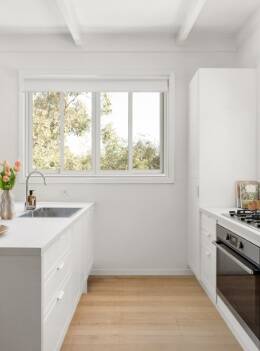
Why Small Kitchen Renovation Needs Expert Solutions
Small kitchen renovations are tricky because every centimetre counts. Common challenges include:
-
Limited counter and storage space
-
Cramped workflow and poor appliance placement
-
Insufficient lighting and ventilation
-
Structural restrictions in older homes or apartments
Without careful planning, small kitchens can feel cluttered, inefficient, and outdated. MB9 approaches each project with a strategic design and project management plan tailored to your space, lifestyle, and budget.
Our Approach to Small Kitchen Renovations
1. Space Optimization
-
Custom cabinetry and smart storage solutions
-
Pull-out pantry units, vertical shelving, and corner drawers
-
Multi-functional islands or foldable benches for limited space
For example, in Bondi apartments, we designed cabinets that reach the ceiling to maximize storage while keeping the kitchen light and airy.
2. Efficient Layout Design
-
Work triangle optimization (sink, stove, fridge) for seamless workflow
-
Open-plan integration with living spaces where possible
-
Compact yet functional placement for appliances
In Newtown terraces, we often convert narrow kitchens into efficient galley-style layouts, improving movement and usability.
3. Lighting & Ventilation
-
Layered lighting with task, ambient, and accent lights
-
Proper rangehood and ducting for small kitchens in apartments
-
Natural light maximization with reflective surfaces and light colours
Homes in Surry Hills and Marrickville benefit from skylights, glass splashbacks, and LED lighting to create an illusion of space.
4. Smart Material Choices
-
Lightweight, durable materials for cabinetry and benchtops
-
Gloss finishes, light colours, and reflective surfaces to open up space
-
Water-resistant flooring and tiles for compact kitchens prone to spills
Materials like laminate, engineered stone, or glass splashbacks are perfect for smaller kitchens in Sydney apartments or townhouses.
Small Kitchen Renovation Services MB9 Provides
Custom Cabinetry
-
Space-saving drawers, pull-outs, and overhead cabinets
-
Tailored to kitchen dimensions and appliances
-
Enhances storage without sacrificing aesthetics
Benchtop Upgrades
-
Durable, stylish surfaces like stone, quartz, or laminate
-
Integrated with sinks and appliances for a clean, seamless look
Appliance Integration
-
Compact ovens, dishwashers, and fridges suited for small kitchens
-
Efficient installation to optimize workflow
-
Built-in or freestanding options to save space
Flooring & Lighting
-
Vinyl, tiles, or engineered timber for durability and easy cleaning
-
LED task lighting and under-cabinet lighting to illuminate workspace
Backsplash Solutions
-
Glass, tiles, or reflective materials to make the space feel larger
-
Easy-to-clean and visually appealing
Case Studies: Small Kitchen Transformations in Sydney
1. Surry Hills Apartment
-
Issue: Cramped L-shaped kitchen with minimal storage
-
MB9 Solution: Custom cabinetry reaching the ceiling, pull-out pantry, reflective splashbacks
-
Result: Small kitchen now feels spacious, bright, and functional
2. Bondi Studio Apartment
-
Issue: Tiny kitchen with inefficient layout
-
MB9 Solution: Galley layout, compact appliances, under-cabinet LED lighting
-
Result: Maximum storage and functionality without overcrowding
3. Marrickville Terrace Kitchen
-
Issue: Narrow kitchen with poor lighting
-
MB9 Solution: Open-plan integration, glass splashback, wall-mounted cabinets
-
Result: Increased workspace, modern aesthetics, and improved usability
Frequently Asked Questions
“Can small kitchens feel larger after renovation?”
Yes. MB9 uses layout optimization, reflective materials, and lighting to create the perception of space.
“Do you handle apartments and terraces?”
Absolutely. MB9 has extensive experience with inner-west terraces, Eastern Suburbs apartments, and coastal studios.
“How long does a small kitchen renovation take?”
Typically 2–4 weeks, depending on complexity and trade scheduling. MB9 ensures minimal disruption to your home life.
“Do you manage all trades?”
Yes. MB9 coordinates licensed plumbers, electricians, tilers, and cabinet makers for a seamless renovation.
FAQ
What does a small kitchen renovation cost in Sydney?
Short answer? Most small kitchen renovations in Sydney sit between $20,000 and $45,000, but the real answer depends on what you touch, what you keep, and how smart the planning is.
Let’s break it down in normal human language — not builder mumbo jumbo.
💰 Typical cost ranges in Sydney
-
Basic refresh ($18k–$25k)
Think new flat-pack cabinets, laminate benchtops, basic appliances, and no major layout changes. Popular in apartments around Parramatta, Campsie and Ryde. -
Mid-range renovation ($25k–$35k)
Custom or semi-custom cabinetry, stone benchtops, better lighting, more power points, and minor plumbing or electrical changes. Very common in Inner West suburbs like Marrickville and Leichhardt. -
High-end small kitchen ($35k–$45k+)
Custom joinery, premium appliances, engineered stone or porcelain benchtops, clever storage solutions. Often seen in Surry Hills, Mosman and the Northern Beaches — small kitchens, big expectations.
🔍 What pushes the price up (or down)
Customers in Sydney often say: “The kitchen is small, why is it so expensive?”
Because size doesn’t equal simplicity.
Costs increase when:
-
Plumbing or gas needs to be moved
-
Electrical is outdated (very common in older units)
-
Walls are opened or structural changes are involved
-
Access is tricky (CBD apartments, no lift, parking restrictions)
🧠 Pro tip from real projects
A well-designed small kitchen with smart storage and layout can feel better than a big one done badly. Spending money on design and planning first often saves thousands during construction.
If you’re renovating in Sydney, always get a quote that clearly lists what’s included and what’s not — that’s where most budget blow-outs start.
A small kitchen doesn’t have to mean a small outcome — just a smarter plan.
Is $20k realistic for a small kitchen re-fit near Surry Hills?
Short answer? Yes — $20,000 can be realistic for a small kitchen re-fit near Surry Hills, but only if you’re clear about what kind of re-fit you’re doing and where the money is going.
In inner-city suburbs like Surry Hills, Redfern and Darlinghurst, most kitchens are compact, but the buildings are older — and that’s where budgets can get tested.
What $20k usually covers
At this budget, you’re looking at a smart cosmetic or light upgrade, not a full gut-and-rebuild:
-
Flat-pack or entry-level custom cabinetry
-
Laminate or affordable engineered stone benchtops
-
Keeping the existing layout (sink, cooktop, dishwasher stay put)
-
Basic appliance upgrades
-
New splashback, lighting and power points
This works well for terrace houses and apartments where the bones are good, but the kitchen just looks tired.
Where $20k starts to struggle
Clients around Surry Hills often get caught out by:
-
Old electrical boards or wiring that need upgrading
-
Moving plumbing or gas lines
-
Difficult access (stairs, no lift, limited parking)
-
Heritage or strata requirements
Once plumbing or structural changes enter the picture, $20k disappears very quickly.
A practical local tip
If your goal is to sell, rent, or simply live better without overcapitalising, a $20k re-fit can deliver great results if the design is tight. Smart storage, good lighting and clean lines matter more than fancy finishes in a small kitchen.
The key is being honest early: is it a refresh or a rebuild?
Get that right, and $20k in Surry Hills can absolutely make sense — get it wrong, and it becomes a stress test instead of a renovation.
How do I get accurate pricing for plumbing and electrical in a small Sydney kitchen?
Getting accurate pricing for plumbing and electrical in a small Sydney kitchen is one of the biggest stress points for homeowners — and for good reason. These trades are where budgets quietly blow out if things aren’t clear from the start.
Step one: don’t ask for “rough estimates”
Many Sydney homeowners say “the price kept changing” because they only got ballpark figures. For real accuracy, you need fixed-scope pricing, not hourly guesses. That means the trades know exactly what’s being moved, replaced or added.
What information trades actually need
To price plumbing and electrical properly, your plumber and electrician should see:
-
A finalised kitchen layout (sink, cooktop, oven, dishwasher positions)
-
Appliance specifications (electric vs gas, induction vs gas)
-
A list of new power points, lighting and switches
-
Photos of the existing kitchen, especially older Inner West or CBD apartments
Without this, pricing in suburbs like Marrickville, Surry Hills or Chatswood is just educated guessing.
Older homes = hidden variables
Sydney kitchens in terraces and older units often hide surprises:
-
Outdated wiring that doesn’t meet current standards
-
Old galvanised or copper plumbing that needs replacement
-
Strata rules requiring extra compliance or inspections
These don’t always show up until walls are opened — so ask trades to separate “known works” and “possible upgrades” in the quote.
A practical local tip
The most accurate pricing comes when plumbing and electrical are coordinated as part of the full kitchen renovation, not quoted in isolation. A good renovator will lock in trade scopes early and flag risks before work starts.
If your quote clearly lists what’s included, what’s excluded, and what could change, you’re not guessing — you’re budgeting properly.
What’s the easiest way to add more storage in a compact Leichhardt kitchen?
When homeowners in Leichhardt ask this question, they usually mean one thing: “My kitchen is small and cluttered, and I’ve run out of places to put things.” The good news? Adding storage in a compact kitchen doesn’t always mean knocking down walls or blowing the budget.
Start by using the space you already have
The easiest wins often come from reworking existing cabinetry, not expanding the kitchen. Full-height cabinets up to the ceiling are a game-changer in older Inner West homes. That unused gap above cupboards? It’s basically free storage collecting dust. Use it for rarely used items and instantly declutter the main workspace.
Go smarter inside the cabinets
In Leichhardt terrace kitchens, bench space is precious. Upgrading to deep drawers, pull-out pantries, corner carousels and internal organisers can double usable storage without changing the footprint. Homeowners often say, “I didn’t realise how much space I actually had until the drawers went in.”
Rethink walls and splashback areas
Open shelving or shallow cabinets on unused walls can add storage without making the kitchen feel boxed in. Even the splashback zone can work harder with slim shelves for oils, spices or daily items.
Don’t underestimate layout and lighting
Sometimes the problem isn’t lack of storage — it’s poor layout. Minor changes, like relocating a fridge or narrowing oversized cabinets, can unlock space. Good lighting also makes compact kitchens feel more organised and less cramped.
A local renovation tip
For Leichhardt kitchens, custom or semi-custom joinery designed around your exact room dimensions almost always outperforms off-the-shelf solutions. It’s not about adding more cupboards — it’s about making every millimetre count.
Small kitchen, smart storage, zero chaos.
Can I keep my existing cabinets and just refresh them on a budget in Marrickville?
Yes — in many Marrickville homes, you can absolutely keep your existing kitchen cabinets and refresh them on a budget, as long as the cabinet structure is still in good condition. This is one of the most cost-effective small kitchen renovation solutions in Sydney’s Inner West, especially for terraces and older apartments.
When keeping cabinets makes sense
If your cabinets are:
-
Structurally solid (no sagging, water damage or swollen panels)
-
Well laid out for how you use the kitchen
-
Not affected by plumbing leaks
…then a refresh can deliver a huge visual upgrade without the cost of full replacement.
Budget-friendly ways locals refresh cabinets
Homeowners around Marrickville, Dulwich Hill and Petersham often choose:
-
New cabinet doors (laminate, vinyl wrap or polyurethane)
-
Soft-close hinges and drawer runners for a modern feel
-
Fresh handles or handle-less profiles
-
New benchtops and splashbacks to lift the whole space
These changes alone can make a 15-year-old kitchen feel brand new.
Where people get caught out
Cabinet refreshes stop being “budget” when:
-
Internal carcasses are damaged
-
Heights don’t suit modern appliances
-
Storage is badly designed from the start
If you’re already fighting clutter, poor layout or awkward corners, keeping old cabinets may just lock in old problems.
A practical local tip
In Inner West homes, a hybrid approach often works best: keep the main cabinet boxes, but upgrade doors, internals and benchtops while adding one or two custom pieces for storage.
If done properly, a cabinet refresh in Marrickville can cost thousands less than a full rebuild — and still feel like a proper renovation, not a shortcut.
Should I use IKEA or custom cabinets for a small Sydney kitchen?
This is one of the most common questions Sydney homeowners ask — and the honest answer is: both IKEA and custom cabinets can work well in a small kitchen, but they suit very different situations.
When IKEA makes sense
For apartments and standard layouts around Parramatta, Zetland or Homebush, IKEA cabinets are often a solid, budget-friendly choice. They work best when:
-
The kitchen layout is fairly square and simple
-
Walls and floors are relatively straight
-
You’re working with a tight budget or investment property
-
You don’t need unusual sizes or tricky corner solutions
IKEA’s modular system can deliver a clean, modern look, especially when paired with good benchtops and handles. Many homeowners say, “It looks great, but we had to plan very carefully.”
When custom cabinets are the better option
In older Sydney homes — think Inner West terraces, Surry Hills cottages or Northern Beaches houses — walls are rarely straight, and space is often awkward. Custom cabinetry shines when:
-
Every millimetre matters
-
You want full-height storage to the ceiling
-
You need to work around pipes, bulkheads or odd corners
-
You want better internal storage and durability
Custom cabinets usually cost more upfront, but they often deliver more usable storage and a smoother layout, which matters a lot in small kitchens.
The smart middle ground
Many Sydney renovators now recommend a hybrid approach: use IKEA-style modular cabinets where they fit well, and add custom pieces where they don’t. This keeps costs down while maximising function.
A local tip
If your kitchen is truly small, layout and storage design matter more than the brand. The right cabinets — planned properly — will always beat a big kitchen done badly.
Why does lighting matter so much in small kitchen spaces?
Lighting matters so much in small kitchen spaces because it directly affects how the kitchen looks, feels, and functions. In compact Sydney kitchens — especially in apartments and older homes across the Inner West, Eastern Suburbs and CBD — poor lighting can make an already small space feel dark, cramped and frustrating to use.
Small space, big visual impact
Homeowners often say, “The kitchen feels tiny, even after the renovation.” In many cases, the problem isn’t size — it’s lighting. Good lighting creates visual depth, making walls feel further apart and benchtops feel wider. Bad lighting does the opposite: shadows, glare and dark corners that shrink the room instantly.
Function comes first
In a small kitchen, every task happens close together. Without proper task lighting over benchtops, cooking becomes harder and less safe. Under-cabinet LED lighting is one of the simplest upgrades and instantly improves visibility where you actually work.
Layered lighting is the key
The most effective small kitchen solutions use three layers of light:
-
Ambient lighting for overall brightness
-
Task lighting for food prep and cooking
-
Accent lighting to highlight splashbacks or open shelves
This layered approach is especially important in Sydney kitchens with limited natural light.
Energy-efficient and budget-friendly
Modern LED lighting is affordable, energy-efficient and ideal for small spaces. It adds impact without taking up physical space — perfect for compact kitchens in places like Marrickville, Chatswood or Alexandria.
A practical local insight
In small kitchens, lighting isn’t decoration — it’s design. Get the lighting right, and even a modest kitchen renovation can feel larger, brighter and far more enjoyable to use.
What are good small kitchen layout ideas for terrace homes in Glebe?
Terrace homes in Glebe are full of charm — high ceilings, character walls, and… very tight kitchens. The key to a successful small kitchen layout in a Glebe terrace isn’t making it bigger, it’s making it work smarter with the space you already have.
Galley layouts work for a reason
The most common and effective layout for Glebe terraces is the galley kitchen. Two parallel runs keep everything within arm’s reach, which is perfect for narrow spaces. With the right spacing, this layout improves workflow and avoids the “traffic jam” feeling when more than one person is in the kitchen.
L-shaped layouts for light and flow
If the kitchen opens to a rear courtyard or living space, an L-shaped layout can work beautifully. It allows for better natural light, keeps circulation clear, and creates room for small dining or bench seating — a popular choice in renovated Glebe terraces.
Use height, not width
Most terrace kitchens lack floor space but offer generous ceiling height. Full-height cabinetry, overhead storage, and integrated appliances are essential. Homeowners often say, “Once we went to the ceiling, the clutter disappeared.”
Keep the layout simple
Moving sinks, gas, or drainage in older terraces can be expensive. Retaining the existing plumbing wall and refining the layout around it usually delivers the best value. Smart storage, deep drawers, and pull-out pantries often add more function than a complete reconfiguration.
A local design tip
In Glebe, small kitchen success comes from clean lines, light colours, and good lighting. Combined with a well-planned layout, even the narrowest terrace kitchen can feel open, efficient and genuinely enjoyable to use.
Small footprint, big improvement — that’s the Glebe way.
How can I fit a dishwasher in a cramped Sydney kitchen?
Fitting a dishwasher into a cramped Sydney kitchen is one of the most common challenges homeowners face — especially in older apartments and terrace homes across the Inner West, CBD and Eastern Suburbs. The good news? In most cases, it can be done with smart planning, not extra space.
Choose the right dishwasher size
A standard 600mm dishwasher isn’t always the answer. In small kitchens, 450mm slimline dishwashers or drawer-style models are often the perfect fit. Many Sydney homeowners are surprised how much they hold while using far less space.
Use underutilised cabinet zones
Dishwashers don’t have to sit next to the sink in every case. In compact layouts, they can be placed:
-
Under short benchtop sections
-
At the end of a cabinet run
-
In island ends or return panels
What matters is access to plumbing — not tradition.
Rework cabinets, not the whole kitchen
In many small renovations, one cabinet can be sacrificed or narrowed to create space. Adjusting cabinet widths by just 50–100mm can unlock a dishwasher without changing the entire layout. This approach works well in Marrickville, Glebe and Surry Hills kitchens where space is tight but workable.
Plumbing reality check
Older Sydney kitchens often need minor plumbing updates to support a dishwasher. A good renovator will check water pressure, drainage and compliance early — avoiding surprises once cabinets are installed.
A practical local insight
If you cook daily, a dishwasher isn’t a luxury — it’s sanity-saving equipment. With proper layout planning and the right appliance, even the smallest Sydney kitchen can fit one without feeling squeezed or compromised.
How long does a small kitchen renovation in Randwick usually take?
A small kitchen renovation in Randwick typically takes 3 to 6 weeks, but the exact timeline depends on scope, access, and whether any plumbing or electrical changes are needed. Many Randwick homes are older terraces or apartments, so factors like narrow stairwells, parking restrictions, or heritage considerations can influence timing.
Typical timeline breakdown
-
Planning & design (1–2 weeks): Finalising layout, selecting benchtops, cabinetry, appliances, and finishes. Homeowners often underestimate this stage, but it’s critical to avoid delays later.
-
Demolition & prep (2–3 days): Removing old cabinets, benchtops, and appliances. In small Randwick kitchens, care is needed to protect walls and floors.
-
Trades & installation (2–4 weeks): Plumbing, electrical, cabinetry, benchtops, splashbacks, and flooring. Trades are usually scheduled sequentially to avoid overcrowding in compact spaces.
-
Finishing touches (2–5 days): Painting, lighting installation, hardware, and final clean-up.
Key factors that affect timing
-
Moving sinks, cooktops, or electrical points
-
Custom joinery production lead times
-
Heritage or strata approvals for older terraces
-
Unforeseen plumbing or structural issues
Practical tip for Randwick homeowners
To stay on schedule, lock in your trades early and order cabinetry and benchtops in advance. A well-managed small kitchen renovation in Randwick can transform your space in under six weeks without unexpected delays.
Efficient planning, experienced trades, and realistic expectations make all the difference in getting your dream kitchen ready quickly.
What’s included — and not included — in typical Sydney kitchen quotes?
Understanding what’s included — and not included — in a typical Sydney kitchen renovation quote is critical to avoid budget surprises. Many homeowners in suburbs like Surry Hills, Marrickville, Glebe, and Randwick get caught off guard when a low quote balloons mid-project.
What’s usually included
-
Cabinetry and joinery: Flat-pack or custom cabinets, drawer runners, soft-close hinges
-
Benchtops: Laminate, stone, or engineered surfaces specified in the quote
-
Splashbacks and tiling: Often limited to a simple tile layout or design agreed upfront
-
Basic fittings and fixtures: Sink, tap, standard handles, and sometimes appliances if specified
-
Installation labour: Trades for cabinetry, basic plumbing, electrical connection, and tiling
-
Project management: Coordination between trades, delivery schedules, and timelines
What’s often not included
-
Relocating plumbing or gas: Moving sinks, dishwashers, or cooktops usually costs extra
-
Major electrical work: Adding circuits, outlets, or rewiring older homes
-
Appliances: High-end or built-in appliances are often separate
-
Council approvals or permits: Especially in heritage or strata properties
-
Unforeseen repairs: Rot, mould, or structural issues uncovered during demolition
Practical Sydney tip
Always request a detailed, line-by-line quote and confirm what’s included vs optional extras. Many local renovators now provide allowances for unforeseen work, which avoids nasty surprises in Inner West terraces or Eastern Suburbs apartments.
Clear scope and transparency ensure your Sydney kitchen renovation stays on budget and delivers exactly what you envisioned — no hidden costs, no headaches.
How do I choose between flat-pack and custom joinery?
Choosing between flat-pack and custom joinery is one of the first big decisions in a small kitchen renovation, and Sydney homeowners often get stuck here — especially in suburbs like Marrickville, Glebe, Surry Hills, and Randwick. The choice isn’t just about cost; it’s about space, style, and long-term functionality.
Flat-pack joinery: affordable and flexible
Flat-pack cabinets, like IKEA or similar modular systems, are great if:
-
You have a standard-sized kitchen with straight walls
-
You want a modern look on a budget
-
You’re happy with modular sizes rather than fully custom dimensions
They’re quicker to source and often cheaper, but can struggle in tricky layouts with corners, bulkheads, or uneven walls — very common in older Sydney terraces and apartments.
Custom joinery: tailored and maximised
Custom cabinets shine when:
-
Every millimetre counts in narrow kitchens
-
You need to work around bulkheads, pipes, or uneven walls
-
You want full-height storage, clever internal organisers, and premium finishes
-
You plan to future-proof your kitchen for resale or daily functionality
While cost is higher and lead times longer, custom joinery often provides more storage, better flow, and a polished look in small, awkward spaces.
A smart local tip
Many Sydney renovators now recommend a hybrid approach: use flat-pack for straightforward runs and custom pieces where space is tricky or storage is critical. This balances cost and function, making even the smallest kitchen feel practical, stylish, and tailored to your lifestyle.
In short: flat-pack for simplicity, custom for precision — or both if you want the best of Sydney’s small kitchen solutions.
What’s a working triangle and why it matters for small kitchens?
The working triangle is a classic kitchen design principle, but it’s especially important in small Sydney kitchens — from Glebe terraces to Surry Hills apartments — where every centimetre counts. It refers to the ideal arrangement between the sink, cooktop, and refrigerator, which are the three most frequently used areas in any kitchen.
Why it matters
Homeowners often say, “I feel like I’m constantly bumping into people or running around in circles.” That’s usually because the working triangle is too tight, too long, or blocked. In small kitchens, poor layout can make cooking stressful, inefficient, and even unsafe.
Ideal distances
-
Sink to cooktop: 1.2–2.7 metres
-
Cooktop to fridge: 1.2–2.7 metres
-
Sink to fridge: 1.2–2.7 metres
These distances ensure you can move comfortably between tasks without wasting steps — crucial in compact spaces like Marrickville or Randwick kitchens.
How to apply it in small kitchens
-
Use corner sinks or cooktops to free up bench space
-
Integrate under-bench fridges or slimline appliances
-
Keep walkways clear and avoid placing storage directly in the path
Local renovation insight
Sydney’s older terraces, CBD apartments, and Inner West flats often have awkward layouts. A designer who understands the working triangle can transform a cramped kitchen into a flowing, functional space without expanding the footprint.
In small kitchens, the working triangle isn’t just theory — it’s the secret to making a tiny kitchen feel effortless, organised, and enjoyable to use.
How to plan your benchtop, storage and workflow in a compact space?
Planning benchtops, storage, and workflow in a compact Sydney kitchen is all about maximising efficiency without making the space feel cramped. In small kitchens across Marrickville, Glebe, Surry Hills, and Randwick, smart planning can make a tiny space feel twice as functional.
Start with the layout
Think in terms of the working triangle: sink, cooktop, and fridge. Keep these zones close enough for efficiency but avoid crowding the workspace. In narrow kitchens, a galley or L-shaped layout usually works best.
Benchtop strategy
-
Prioritise continuous surfaces for prep work
-
Use corner benchtops and pull-out extensions to maximise space
-
Consider durable materials like laminate, engineered stone, or quartz for longevity
Storage solutions
-
Go full height: floor-to-ceiling cabinets make use of vertical space
-
Incorporate pull-out pantry units, drawer organisers, and corner carousels
-
Use open shelving sparingly for frequently used items, keeping the space visually light
Workflow and task zones
-
Allocate zones for prep, cooking, and cleanup
-
Keep frequently used items within arm’s reach
-
Use under-cabinet lighting to define tasks and make counters feel larger
Local insight
In older Sydney terraces and apartments, walls are often uneven and spaces tight. A combination of custom joinery and smart modular solutions ensures the benchtop, storage, and workflow work together seamlessly.
In small kitchens, every centimetre counts. Plan carefully, invest in smart storage, and align your workflow to make the kitchen feel open, efficient, and enjoyable for daily use.
What are common hidden costs Sydney homeowners miss?
One of the biggest frustrations for Sydney homeowners undertaking a small kitchen renovation is the surprise of hidden costs. Even a compact kitchen in Marrickville, Glebe, Surry Hills, or Randwick can quickly exceed budget if these often-overlooked items aren’t considered.
Common hidden costs
-
Plumbing and gas relocations – Moving sinks, dishwashers, or cooktops isn’t always included in standard quotes. Many terraces and older apartments have outdated pipes, which may need replacement.
-
Electrical upgrades – Adding power points, circuits, or rewiring old systems is frequently missed in initial quotes, especially in heritage or pre-1980s buildings.
-
Structural changes – Removing walls, supporting beams, or adjusting bulkheads adds cost and time. Even minor adjustments can become pricey in older homes.
-
Flooring and wall repairs – Tiles or boards may be damaged during demolition, requiring patching or replacement. Hidden water damage or rot behind cabinets is another common expense.
-
Permits and approvals – Council or strata approvals for plumbing, gas, or structural changes are often overlooked. Some areas, especially Glebe or Surry Hills, have stricter heritage or strata requirements.
-
Customisation extras – Upgrades like soft-close drawers, pull-out pantries, or high-end benchtops can quickly push a small renovation over budget if not accounted for early.
Local tip
The best way to avoid surprises is to request a detailed line-item quote, including allowances for potential issues, and to have a renovator inspect the space before finalising. Being proactive keeps your Sydney kitchen renovation on track, on budget, and stress-free.
Hidden costs aren’t inevitable — but planning for them is essential for a smooth renovation experience.
Can I DIY some kitchen reno elements safely?
Yes — you can DIY some elements of a small kitchen renovation in Sydney, but knowing what’s safe and where to get professional help is key. Many homeowners in Marrickville, Glebe, Surry Hills, and Randwick attempt DIY to save money, but success depends on skill, tools, and the complexity of the work.
DIY-friendly elements
-
Painting walls and cabinetry: A fresh coat of paint or cabinet doors can transform a kitchen without major risk. Proper prep and quality materials are essential.
-
Installing handles and knobs: Swapping out hardware is straightforward and instantly modernises the look.
-
Open shelving or floating shelves: With correct brackets and fixings, these are simple and cost-effective additions.
-
Tile splashbacks (small areas): Experienced DIYers can tile a small splashback, but precision is key to avoid wasted materials.
What to avoid DIY
-
Electrical work: Adding circuits, outlets, or rewiring is unsafe and often illegal without a licensed electrician.
-
Plumbing changes: Moving sinks, dishwashers, or gas cooktops requires licensed trades to comply with Sydney Water and safety regulations.
-
Structural changes: Removing walls or bulkheads is high-risk and requires engineers and permits.
A practical local tip
If you’re renovating in a terrace or apartment, combine DIY with professional trades. Do cosmetic upgrades yourself to save money, but leave plumbing, electrical, and structural work to licensed Sydney tradespeople. This approach reduces cost while keeping your renovation safe, compliant, and stress-free.
DIY can work wonders for small kitchen upgrades, but smart boundaries make all the difference between a satisfying project and costly mistakes.
Should I project-manage trades myself in a small reno?
Project-managing trades yourself in a small kitchen renovation can seem tempting — it feels like a way to save money and stay in control — but in Sydney, homeowners in Marrickville, Glebe, Surry Hills, and Randwick often find it more stressful than expected.
Pros of DIY project management
-
Cost savings: You avoid paying a dedicated project manager.
-
Direct communication: You speak straight to tradies about changes or timelines.
-
Flexibility: You can adjust schedules quickly if delays happen.
Challenges homeowners face
-
Coordination headaches: Even small kitchens involve multiple trades — plumbers, electricians, tilers, cabinet installers — and sequencing their work properly is tricky.
-
Hidden compliance requirements: Permits, strata approvals, and local council rules are easy to overlook.
-
Quality control: Without experience, spotting workmanship issues early is harder, which can lead to costly fixes later.
-
Time commitment: Managing trades takes hours of calls, scheduling, and on-site supervision — often underestimated by DIY project managers.
Smart approach for Sydney renovations
Many successful small kitchen renovations in terraces or apartments use a hybrid method: a licensed contractor or renovator oversees critical trades, while homeowners handle low-risk tasks, selection decisions, and minor cosmetic work.
Local insight
In older Sydney homes, even small adjustments — moving a sink, adding lighting, or installing cabinets — can trigger hidden complexities. Leaving project management to someone with local experience ensures timelines are met, budgets stay realistic, and the renovation avoids regulatory pitfalls.
In short, you can manage yourself, but in most Sydney kitchens, smart delegation makes the renovation smoother, faster, and far less stressful.
What kitchens fit a $30k budget in Western Sydney?
In Western Sydney, a $30k budget for a small kitchen renovation can go surprisingly far — but what you get depends on your priorities and the space itself. Suburbs like Parramatta, Blacktown, Penrith, and Liverpool have a mix of apartments, terraces, and freestanding homes, which all influence cost.
What fits within $30k
-
Cabinetry: You can get either flat-pack or semi-custom cabinets, including soft-close drawers and doors. Full-height or fully custom joinery may be possible on smaller spaces.
-
Benchtops: Laminate or engineered stone options fit comfortably within this range. Some compact kitchens can even include budget-friendly stone surfaces.
-
Appliances: Entry-to-mid-range ovens, cooktops, and dishwashers can be included if carefully selected. Higher-end brands may require additional budget.
-
Splashbacks & tiling: Simple, clean designs with tiles or acrylic panels are achievable.
-
Labour & installation: Trades for cabinetry, plumbing, electrical, and tiling can be covered, assuming minimal layout changes.
What $30k usually doesn’t cover
-
Major plumbing or gas relocations (moving sinks, dishwashers, or cooktops)
-
Full structural changes like wall removal or bulkhead adjustments
-
Premium custom joinery, high-end benchtops, or designer appliances
Local insight
Homeowners in Western Sydney often find the sweet spot is a compact but functional kitchen with smart storage solutions, good lighting, and quality materials in key areas. Prioritising layout, workflow, and storage over luxury finishes maximises impact without exceeding $30k.
With careful planning, a $30k budget can transform a small Western Sydney kitchen into a modern, efficient, and stylish space that works for everyday life and future resale.
How do I communicate my vision clearly to a kitchen renovator?
Communicating your vision clearly to a kitchen renovator is one of the most important steps in ensuring your small Sydney kitchen renovation turns out exactly how you imagine — whether you’re in Marrickville, Glebe, Surry Hills, or Randwick. Misunderstandings at this stage are a common cause of stress and budget blowouts.
Start with inspiration
Collect photos, sketches, or Pinterest boards of kitchens you like. Highlight specific elements: benchtop finishes, cabinet styles, lighting, storage solutions, and workflow ideas. Homeowners often say, “Once I showed photos, the renovator immediately understood my style.”
Be specific about functionality
Describe how you cook, store, and clean. Do you need more prep space? Pull-out pantry units? Slimline appliances? The more your renovator knows about how you use the kitchen, the better they can tailor solutions to your workflow.
Create a layout reference
Even a simple floor plan showing the location of the sink, cooktop, fridge, and major appliances helps avoid miscommunication. For small kitchens, every centimetre counts, and drawings help tradies visualise space constraints.
Clarify priorities and budget
Tell your renovator what’s non-negotiable versus where you’re flexible. For example, you might prioritise storage over high-end finishes, or a stone benchtop over custom joinery.
Maintain ongoing communication
Schedule regular check-ins during the project. Photos, site visits, or brief daily updates prevent misunderstandings and keep the project aligned with your vision.
Local tip
Sydney kitchens often have quirks — uneven walls, heritage requirements, or limited access. Clear communication ensures your renovator can anticipate challenges and suggest practical solutions, so your small kitchen ends up functional, stylish, and true to your vision.
What appliances are best for small kitchens in inner Sydney?
Choosing the right appliances is critical for small kitchens in inner Sydney — especially in areas like Surry Hills, Glebe, Marrickville, and Randwick, where space is tight and every centimetre matters. The wrong choices can make a compact kitchen feel cramped, while the right ones maximise function and flow.
Prioritise size and efficiency
Slimline or compact appliances are a must. For example:
-
450mm dishwashers or drawer-style dishwashers save bench space without compromising capacity.
-
Slim fridges or under-bench models fit neatly into small cabinets.
-
Compact ovens and cooktops (induction or gas) can free up bench space and allow more storage or prep area.
Integrated or multi-functional units
Built-in or integrated appliances help maintain clean lines. Think:
-
Fridge panels that match cabinetry
-
Oven-microwave combos
-
Cooktops with inbuilt ventilation, avoiding bulky rangehoods
Energy efficiency matters
Inner Sydney kitchens often rely on limited electricity or hot water systems. Choosing energy-efficient appliances reduces running costs and helps small spaces stay cooler, especially in apartments or terraces.
Noise and workflow
Compact kitchens mean appliances are close together, so quieter models make a big difference. Many homeowners report, “A quiet dishwasher completely changes how enjoyable the kitchen feels.”
Local tip
Measure carefully and plan around workflow zones: cooking, prep, cleaning, and storage. Even a small kitchen in Marrickville or Surry Hills can feel spacious and highly functional with the right combination of compact, integrated, and multi-purpose appliances.
Smart appliance choices turn a small inner Sydney kitchen from cramped to clever, stylish, and efficient — without expanding the footprint.
What warranties should I ask for in a Sydney kitchen reno?
When renovating a small kitchen in Sydney — whether in Glebe, Marrickville, Surry Hills, or Randwick — understanding warranties is crucial to protect your investment and give peace of mind. Many homeowners are surprised when problems arise post-renovation, so asking the right questions upfront can save stress and money.
Trade and workmanship warranties
Ensure your renovator provides written warranties for all trades involved:
-
Carpentry/joinery: Covers cabinets, drawers, and soft-close mechanisms — typically 1–5 years depending on the supplier.
-
Tiling and splashbacks: Look for workmanship guarantees, especially in high-traffic or wet areas.
-
Plumbing and gas: Sydney Water-compliant trades should offer warranties on leaks, fittings, and pipework.
-
Electrical: All electrical work must be performed by a licensed electrician and come with a standard 1–3 year warranty.
Product and material warranties
-
Benchtops: Stone, quartz, or laminate manufacturers usually offer coverage for defects or delamination.
-
Appliances: Confirm coverage periods for ovens, cooktops, dishwashers, and fridges — often 1–3 years.
-
Cabinet finishes and hardware: Soft-close hinges, handles, and laminates can sometimes fail; check if these are included.
Local insight
Ask your Sydney renovator for a clear, written document outlining what is covered, for how long, and under what conditions. Many homeowners in older terraces or apartments find this especially important, as unforeseen issues like plumbing or wall irregularities can appear after installation.
A well-documented warranty not only protects your small kitchen investment but also ensures peace of mind, making your renovation in Sydney stress-free and secure.
How much extra do permits add in Sydney kitchen works?
In Sydney, permits and approvals can be a hidden cost in small kitchen renovations, and the amount varies depending on your property type and the scope of work. Suburbs like Glebe, Marrickville, Surry Hills, and Randwick often have older terraces, apartments, or heritage-listed homes, which can affect both cost and complexity.
Typical permit costs
-
Strata approvals: For apartments or shared buildings, strata committees may charge administrative fees or require compliance inspections. Expect $200–$600 for minor renovations.
-
Council approvals: Structural changes, plumbing relocations, or electrical upgrades may need Development Applications (DA) or Complying Development Certificates (CDC). These can cost anywhere from $500 to $2,500 depending on complexity.
-
Plumbing and gas permits: Sydney Water and licensed gas plumbers often require permits for relocated pipes, new connections, or appliance installations. This usually adds $200–$600 per trade.
-
Heritage or local council overlays: In areas like Surry Hills or Glebe, additional approvals may be required for terraces or older buildings, sometimes costing $500–$1,500 more.
Practical insight
Permits rarely exceed 10% of a small kitchen renovation budget, but failing to account for them can delay the project or result in fines. Always confirm with your renovator what permits are required, and include them in the quote.
Local tip
A reputable Sydney renovator will handle all permit applications as part of their project management, making the process smooth and compliant, while giving you peace of mind that your small kitchen renovation is fully legal and risk-free.
Accounting for permits upfront avoids surprises and keeps your Sydney kitchen project on budget and on schedule.
Do I need council approval for small layout changes in Sydney?
Whether you need council approval for small kitchen layout changes in Sydney depends on the type of work and the property. In suburbs like Marrickville, Glebe, Surry Hills, and Randwick, many homes are older terraces, apartments, or heritage-listed, so the rules can vary significantly.
When council approval is usually not required
-
Minor cosmetic changes: Painting, replacing benchtops, swapping cabinets without moving plumbing or electrical points generally don’t need approval.
-
Appliance replacement: Replacing ovens, cooktops, or dishwashers in the same location is considered maintenance.
-
Non-structural cabinetry adjustments: Moving cabinets slightly or adding open shelving usually falls under “fit-out” and doesn’t trigger approvals.
When approval is typically required
-
Moving plumbing or gas lines: Installing a new sink, dishwasher, or relocating cooktops requires licensed trades and often a permit.
-
Electrical upgrades or rewiring: Adding circuits or outlets in new locations may need certification.
-
Structural changes: Removing walls, modifying bulkheads, or altering floor layouts triggers council or strata involvement.
-
Heritage considerations: In older terraces or heritage areas, even minor changes can require council consent to comply with local heritage overlays.
Local tip
In Sydney, the safest approach is to check with your renovator and local council before starting work. Experienced renovators in the Inner West and Eastern Suburbs know which small changes are exempt and which need approvals, helping you avoid fines or project delays.
In short, minor cosmetic updates usually don’t require council approval, but any changes affecting structure, plumbing, gas, or heritage elements do — and it’s always best to confirm before you start.
What are space-saving storage tricks Sydney renovators love?
Sydney renovators dealing with small kitchens — from Glebe terraces to Marrickville apartments — have developed a bag of clever tricks to squeeze storage out of every centimetre. Here are the most popular, tried-and-true ideas:
1. Full-height cabinetry
Going floor-to-ceiling maximises vertical space. Even if the top cupboards are hard to reach, a step stool keeps them accessible, and you gain valuable room for rarely-used items.
2. Pull-out pantry units
Narrow pull-out pantries slide into slim spaces beside fridges or walls. They make use of gaps that would otherwise be wasted and keep cans, bottles, and spices organised.
3. Drawer organisers & deep drawers
Instead of traditional cabinets, deep drawers with internal dividers make pots, pans, and lids easier to access and prevent stacking chaos.
4. Corner solutions
Lazy Susans, carousels, or pull-out corner drawers turn awkward corner cupboards into fully usable storage, which is especially helpful in older Sydney terraces.
5. Under-bench storage
Install drawers or pull-out trays under sinks or benchtops to hide cleaning supplies, bins, or small appliances while keeping the bench clear.
6. Overhead rails and hooks
Rails for utensils, mugs, or pots make use of wall space without encroaching on bench area. It also adds a professional, bistro-style feel.
7. Appliance garages & multi-functional furniture
Tiny kitchens often benefit from appliance garages, where toasters or mixers are tucked away, and benches with built-in storage double the utility.
Local insight
Sydney renovators often mix custom joinery with smart modular systems to hit tight spots precisely. In cramped kitchens, clever storage isn’t just about fitting more—it’s about making the space feel open, functional, and easy to use.
These tricks transform even the smallest kitchen into a fully functional, organised, and stylish workspace.
Is it worth doing partial renewals like just benchtops or cabinets?
Yes — in many Sydney kitchens, doing a partial renewal by updating just benchtops, cabinets, or key elements can be highly worthwhile, especially for small kitchens in Marrickville, Glebe, Surry Hills, or Randwick. Homeowners often assume a full renovation is necessary, but targeted upgrades can dramatically improve function, style, and resale value without breaking the budget.
Benchtops
Replacing worn or outdated benchtops instantly modernises a kitchen. Materials like engineered stone or laminate are cost-effective, durable, and low-maintenance. Even changing the colour or edge profile can make a small kitchen feel brighter and more spacious.
Cabinets
Refreshing cabinets — either by refacing, repainting, or swapping doors — can completely transform the look. Adding new hardware, soft-close hinges, or internal organisers improves both style and usability. This approach is especially effective in compact Sydney kitchens, where layout remains functional but aesthetics need a lift.
When partial renewals make sense
-
The layout works well and doesn’t need changing
-
Structural issues, plumbing, or electrical systems are in good shape
-
You want a quick, budget-friendly update rather than a full-scale project
Local insight
Many Sydney renovators recommend combining partial renewals with smart storage tweaks and lighting upgrades. This approach makes even tight kitchens feel fresh, functional, and modern without the cost, disruption, or timeframe of a complete renovation.
In short, partial renewals are often the smartest, most efficient way to breathe new life into a small Sydney kitchen while controlling cost and avoiding unnecessary work.
How do I plan for disruption — no kitchen for weeks?
Planning for disruption during a small kitchen renovation in Sydney — whether in Glebe, Marrickville, Surry Hills, or Randwick — is essential, because even a minor update can leave you without a functional kitchen for days or weeks. Proper preparation keeps stress levels down and ensures life keeps moving smoothly.
1. Set up a temporary kitchen
-
Use a portable bench or table for prep space.
-
Keep a microwave, kettle, toaster, and mini-fridge accessible.
-
Stock up on disposable or reusable plates, cutlery, and cooking utensils.
2. Plan your meals
-
Prepare batch meals in advance or rely on slow cookers and one-pot dishes.
-
Consider takeaway or meal delivery options for particularly busy periods.
-
Use cool boxes or temporary storage for perishable items if fridge space is limited.
3. Schedule strategically
-
Try to align the renovation with periods of lower household activity, like school holidays or work travel, to reduce daily disruption.
-
Discuss timelines with your renovator and confirm critical stages that will make your kitchen unusable.
4. Protect your home
-
Use dust sheets, plastic barriers, and floor protection to contain mess.
-
Keep essential items in a safe, accessible location outside the renovation zone.
Local insight
In Sydney’s older terraces and apartments, narrow access and small kitchens mean disruption can feel longer. Experienced renovators often sequence trades efficiently and provide advice on temporary setups to minimise downtime.
With the right prep, even a weeks-long kitchen renovation can be managed smoothly, letting your small Sydney kitchen transform while daily life continues with minimal hassle.
How do I protect myself from poor workmanship?
Protecting yourself from poor workmanship is a key concern for Sydney homeowners undertaking a small kitchen renovation, whether in Glebe, Marrickville, Surry Hills, or Randwick. Even in compact spaces, substandard work can lead to costly repairs, delays, and ongoing frustration.
1. Hire licensed and experienced trades
Always work with licensed electricians, plumbers, and carpenters. In NSW, licencing ensures a baseline of competence and compliance with safety standards. Ask for references and examples of similar small kitchen projects.
2. Check reviews and past projects
Sydney homeowners benefit from seeing portfolios, client testimonials, and online reviews. Look for renovators with demonstrated experience in tight, compact kitchens, as mistakes in small spaces are magnified.
3. Detailed written contracts
A clear contract specifying scope of work, materials, timeline, and warranties is essential. Include details like benchtop types, cabinet finishes, appliance models, and trades involved.
4. Insist on warranties and guarantees
Licensed trades and reputable renovators should provide workmanship and product warranties. Typical coverage ranges from 1–5 years depending on the trade or item.
5. Monitor progress and communicate
Regular site inspections and updates help spot issues early. Take photos, ask questions, and clarify concerns immediately — especially in confined inner Sydney kitchens where mistakes are easier to overlook.
Local tip
Experienced Sydney renovators often offer project management services, coordinating trades and quality checks. This ensures that even small kitchens — with their tight spaces and tricky layouts — are completed efficiently, safely, and to a high standard.
By combining careful selection, clear contracts, and active communication, you can significantly reduce the risk of poor workmanship and enjoy a functional, stylish Sydney kitchen that lasts.
What are common small kitchen mistakes Sydney households regret?
Many Sydney homeowners discover that small kitchen renovations come with pitfalls if not carefully planned. In suburbs like Glebe, Marrickville, Surry Hills, and Randwick, cramped spaces amplify mistakes, and what seems minor can significantly impact function, aesthetics, and budget.
1. Poor layout planning
A common regret is ignoring the working triangle — the distance between sink, cooktop, and fridge. In tight kitchens, inefficient flow leads to constant bumping, cluttered benches, and frustrating cooking experiences.
2. Insufficient storage
Small kitchens often feel chaotic when cupboards, drawers, and pantries aren’t maximised. Homeowners wish they had invested in vertical storage, pull-out pantries, and drawer organisers rather than sacrificing usability for style.
3. Skimping on lighting
Many forget task lighting under cabinets or over benches. Dim kitchens feel smaller and make cooking less enjoyable. In inner Sydney apartments, where natural light may be limited, this mistake is amplified.
4. Oversized appliances
Full-size fridges, ovens, or dishwashers can dominate a compact space. Choosing appliance sizes appropriate to the kitchen footprint is essential for both function and flow.
5. Ignoring quality or warranties
Cutting costs on cabinetry, benchtops, or hardware can lead to chips, scratches, and failures within months. Sydney homeowners often regret not verifying workmanship warranties and product guarantees.
6. Underestimating disruption
Even small renovations in terraces or apartments can leave kitchens unusable for days or weeks. Many regret not planning a temporary kitchen setup.
Local insight
Avoid these mistakes by consulting experienced Sydney renovators who specialise in small kitchens. Thoughtful layout, smart storage, proper lighting, and quality materials make even a compact kitchen functional, stylish, and stress-free.
Learning from these regrets ensures your small Sydney kitchen works beautifully for years to come.
How can I improve bench space in a tiny kitchen?
Improving bench space in a tiny Sydney kitchen — whether in Glebe, Marrickville, Surry Hills, or Randwick — is all about clever design and multi-functional solutions. Even a few extra centimetres can dramatically improve prep and workflow in a compact kitchen.
1. Use compact or multi-purpose appliances
Slimline ovens, dishwashers, and under-bench fridges free up bench space. Consider appliances that double as prep areas, like cutting boards over sinks or cooktops.
2. Extend surfaces
-
Pull-out benchtop extensions slide out when needed and tuck away afterwards.
-
Drop-down tables or breakfast bars can add temporary prep space without crowding the kitchen.
3. Maximise corners and vertical space
Corner benchtops or L-shaped layouts turn awkward corners into usable prep areas. Installing shelves or wall-mounted racks above counters keeps essentials off the bench.
4. Minimise clutter
Store appliances, utensils, and pantry items in cabinets, pull-out pantries, or appliance garages. Clear benches make the kitchen feel larger and more functional.
5. Consider integrated solutions
-
Built-in chopping boards or cutting surfaces that slide out of cabinetry.
-
Pull-out trays next to cooktops for prep or cooling.
-
Using deep drawers instead of cupboards allows utensils and pots to be tucked neatly away.
Local insight
Sydney renovators often combine custom cabinetry with smart modular solutions to create benches that serve multiple purposes while keeping the space uncluttered. In small kitchens, bench space isn’t just about square metres — it’s about workflow, storage, and clever design.
Even a tiny kitchen in inner Sydney can feel spacious, organised, and highly functional with these smart bench-space strategies.
What’s the difference between a designer and a builder quote?
Understanding the difference between a designer quote and a builder quote is key for Sydney homeowners planning a small kitchen renovation in areas like Marrickville, Glebe, Surry Hills, or Randwick. Both are essential, but they serve very different purposes.
Designer quote
A designer focuses on planning, aesthetics, and functionality. Their quote typically covers:
-
Layout and workflow design – including the working triangle, bench space, and storage optimisation
-
Materials and finishes – benchtops, cabinetry, splashbacks, flooring, and lighting
-
3D plans or visualisations – helping you see the kitchen before any construction begins
-
Product recommendations – appliances, fittings, and hardware
Designer quotes generally do not include labour costs for installation or trades, although some designers offer project management packages. They are useful if your priority is creating a cohesive, functional, and stylish kitchen.
Builder quote
A builder quote focuses on the construction and practical delivery of the kitchen renovation. It usually includes:
-
Demolition and removal of old cabinets, benchtops, or flooring
-
Installation of cabinets, benchtops, appliances, and flooring
-
Plumbing, electrical, and gas work (often subcontracted)
-
Labour costs and scheduling of trades
Local insight
In Sydney, many renovators offer a combined service, providing both design and builder quotes to simplify the process. For small kitchens, having both perspectives ensures your renovation is visually appealing, practical, and delivered on time and budget.
In short, design quotes guide what you want, while builder quotes tell you what it costs to make it happen. Understanding both prevents misunderstandings and keeps your small Sydney kitchen renovation smooth and successful.
Are there tradies who specialise in small kitchen renos in Northern Beaches?
Yes — the Northern Beaches has a strong network of tradies and renovation specialists who focus specifically on small kitchen renovations, catering to the unique challenges of compact apartments, older terraces, and coastal homes. Suburbs like Manly, Dee Why, Freshwater, and Collaroy often feature tight layouts, heritage or strata restrictions, and limited storage, so experience with small spaces is essential.
Specialist trades and services
-
Cabinetry & custom joinery: Local cabinet makers and boutique kitchen studios excel at maximising storage and flow in confined spaces. Pull-out pantries, corner carousels, and integrated appliance solutions are common specialities.
-
Kitchen renovators: Many Northern Beaches renovators offer full-service packages, managing design, cabinetry, appliances, plumbing, and electrical work. Their expertise ensures small kitchens are not just functional but stylish and tailored to your workflow.
-
Appliance & benchtop specialists: Some tradies focus on compact, high-quality appliance integration and durable benchtops that suit tight kitchen layouts.
Why local expertise matters
Experienced Northern Beaches renovators understand coastal conditions, older structures, and local council or strata regulations. They can foresee challenges like uneven floors, limited access, or damp-prone areas, which are common in small kitchens along the peninsula.
How to choose the right tradie
-
Review portfolios of previous small kitchen projects.
-
Check reviews and testimonials from local clients.
-
Confirm they coordinate trades, handle permits, and provide warranties, reducing risk and stress.
By working with specialists who know Northern Beaches homes and compact layouts, you can transform a small kitchen into a functional, stylish space without compromising on quality or budget.
Should I use laminate benchtops or engineered stone?
Choosing between laminate benchtops and engineered stone is a key decision for small kitchen renovations in Sydney, whether in Marrickville, Glebe, Surry Hills, or Randwick. Both have advantages, and the right choice depends on budget, lifestyle, and style goals.
Laminate benchtops
Laminate is affordable, lightweight, and versatile, making it a popular choice for compact kitchens. It comes in countless colours and patterns, including realistic stone or timber looks. Laminate is easy to install, so renovators can often fit it quickly without major structural adjustments — perfect for inner-city terraces with weight restrictions. Modern laminates are also resistant to stains and scratches, though they can chip or burn if hot pans are placed directly on the surface.
Engineered stone
Engineered stone (quartz) offers a premium, durable, and low-maintenance surface. It’s highly scratch- and stain-resistant, ideal for busy kitchens in families or households that cook frequently. It also adds luxury appeal and resale value to your home. The main considerations are higher cost and weight, which may require stronger cabinetry and careful handling during installation — something Sydney renovators experienced with older terraces are used to managing.
Local insight
In small Sydney kitchens, many renovators recommend laminate for budget-friendly projects or if a light, flexible design is preferred, and engineered stone when durability, longevity, and a high-end look are priorities. Both can be paired with clever storage, integrated appliances, and smart lighting to make even a compact kitchen feel spacious and functional.
Ultimately, the choice balances style, practicality, and cost, and discussing your lifestyle with a local Sydney renovator ensures your benchtop works beautifully for years to come.
What storage options work best in inner-west terrace kitchens?
In inner-west Sydney terraces — think Marrickville, Glebe, Newtown, and Leichhardt — small kitchens come with unique challenges: narrow layouts, high ceilings, and sometimes quirky heritage details. Smart storage is essential to make these compact spaces functional, stylish, and clutter-free.
1. Full-height cabinetry
Extending cabinets to the ceiling maximises vertical space. Even if the top shelves are hard to reach, they’re perfect for storing seasonal items or rarely used appliances.
2. Pull-out pantry units
Slim pull-out pantries fit into gaps beside fridges, ovens, or cabinets, making previously wasted spaces fully usable. They’re ideal for spices, canned goods, or baking essentials.
3. Deep drawers and organisers
Deep drawers replace lower cupboards for pots, pans, and lids. Internal dividers, utensil trays, and cutlery inserts keep items tidy and accessible.
4. Corner solutions
Lazy Susans, carousels, or pull-out corner drawers transform awkward corners into practical storage. This is especially useful in older terraces with irregular angles.
5. Under-bench storage
Pull-out trays, bins, or drawers under sinks or benches hide cleaning supplies, bins, or small appliances, freeing up bench space.
6. Wall-mounted rails and hooks
Rails for utensils, mugs, or hanging pots make use of vertical wall space and add a professional, open-kitchen feel without taking up counters.
Local insight
Experienced inner-west Sydney renovators often combine custom joinery with modular solutions to fit tight spaces precisely. In terrace kitchens, where every centimetre counts, clever storage isn’t just about volume — it’s about workflow, accessibility, and visual openness.
With these strategies, even the smallest inner-west terrace kitchen can feel spacious, organised, and highly functional.
What’s the cheapest way to modernise a kitchen in Bankstown?
Modernising a small kitchen in Bankstown doesn’t have to cost a fortune — even compact kitchens in older homes can feel fresh, functional, and stylish with the right approach. The key is to focus on high-impact changes that don’t require a full renovation.
1. Refresh cabinets
Instead of replacing cabinets, consider refacing, repainting, or swapping doors and handles. A fresh colour and modern handles can transform the look instantly without the cost of full joinery replacement.
2. Upgrade benchtops selectively
If your benchtop is worn, replacing it with laminate or affordable engineered stone gives a modern feel without a full-scale reno. Even changing the benchtop edges or adding a splashback can make a big difference.
3. Smart storage and organisation
Adding pull-out drawers, vertical racks, or under-sink organisers improves functionality and makes the kitchen feel larger. Clever storage upgrades are cost-effective and reduce daily frustration.
4. Modern lighting
Switching to under-cabinet LED lighting or updated pendant lights instantly brightens the space and highlights your new finishes. In Bankstown kitchens, where natural light can be limited, lighting makes a huge visual impact.
5. Appliance upgrades
Replacing just the most-used appliances — like your oven, cooktop, or fridge — with modern, compact models can enhance both style and efficiency without breaking the budget.
Local insight
Many Bankstown renovators specialise in partial upgrades and budget-conscious solutions, combining design expertise with practical know-how. They can advise which elements will give the most visible impact for your money, manage trades efficiently, and ensure your kitchen looks contemporary without a full renovation.
By focusing on cabinets, benchtops, lighting, and smart storage, you can modernise a Bankstown kitchen quickly, affordably, and effectively, making the space feel stylish and functional for everyday use.